
 2026 Epostle
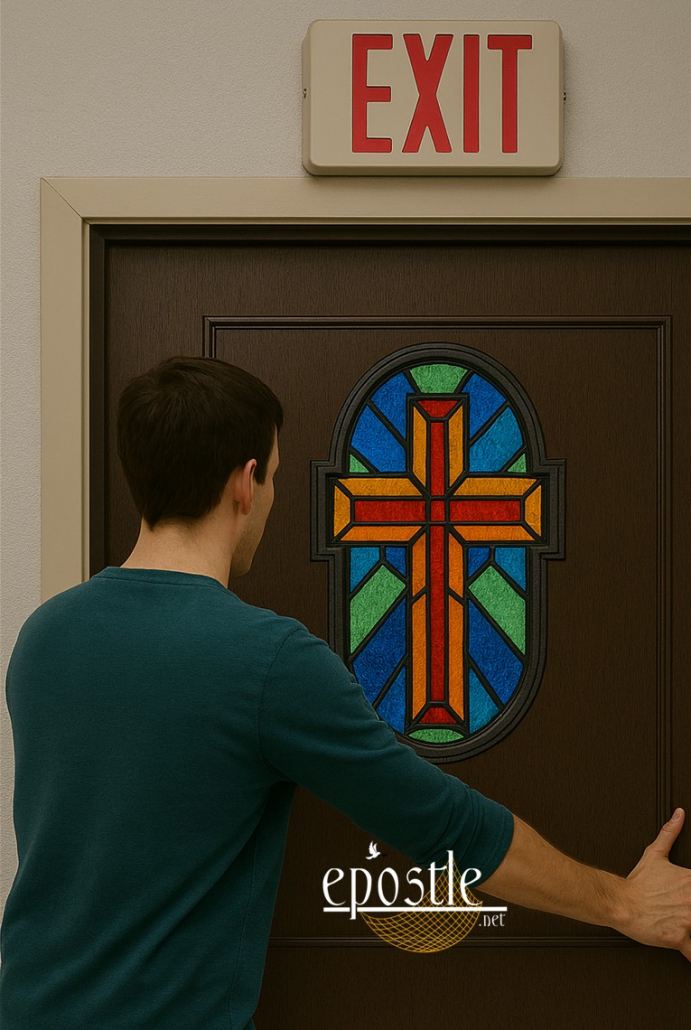
Escoltado hacia afuera: ¿Cómo te atreves?
Armodoxia para hoy: Escoltado hacia afuera
Estamos en medio de un periodo llamado el Ayuno de los Catecúmenos. Un catecúmeno es un converso reciente al cristianismo que recibe instrucción antes de su bautismo. La Iglesia armenia solía dar cabida a este grupo durante la Divina Liturgia. Aunque esta práctica ha caído en desuso en tiempos recientes, la forma, el "orden", sigue resonando con fuerza los domingos por la mañana.
Durante la Santa Divina Liturgia de la Iglesia Armenia, tras las lecturas bíblicas del día, los diáconos entonan un canto: "Mi vok herakhayits...", que se traduce como: "Que ninguno de los catecúmenos, ninguno de poca fe y ninguno de los penitentes o los impuros se acerque a este divino misterio". En tiempos antiguos, en ese momento, el edificio de la iglesia era despejado de todos los catecúmenos. Eran escoltados hacia el frente del templo, donde se les ofrecía instrucción en la fe. Podrías pensarlo como un programa de escuela dominical. Es difícil imaginar algo así ocurriendo en nuestras iglesias hoy en día. Tendemos a pensar en la Iglesia como un espacio abierto al que entramos y salimos a nuestro antojo. ¡¿Cómo se atreve alguien a escoltarnos fuera de la iglesia?!, pensamos. Después de todo, argumentamos, Jesús nunca puso restricciones a quienes se acercaban a él.
Es muy cierto, pero no se trata de no ser bienvenido en la iglesia, como podría sugerir el ser escoltado fuera del santuario. Más bien, piensa en la seriedad con la que los cristianos de otros tiempos entendían la Sagrada Eucaristía, la Santa Comunión. Era tan santa y sagrada que quienes no estaban bautizados no podían participar. Y estar bautizado implicaba conocer las enseñanzas de Cristo y de la Iglesia.
Al observar la estructura de la Divina Liturgia, se revela que aquellos que esperaban ser bautizados, es decir, los catecúmenos, eran invitados a acudir a la iglesia para la parte instructiva de la Divina Liturgia, conocida como el "jashou", que literalmente significa "la comida". Escuchaban las escrituras y luego el sacerdote ofrecía un sermón sobre las lecturas. Esta era la comida espiritual del día, el jashou. Se recitaba el Credo de la Iglesia (Niceno), dando la oportunidad de testificar y articular la Fe. Luego, los catecúmenos eran retirados para aprender y orar.
A menudo, cuando escuchamos sobre las reglas y regulaciones de la disciplina de la Iglesia, criticamos las acciones que no siguen nuestra comprensión de la Fe. Menciono esta pequeña acción practicada por la Iglesia de siglos anteriores para enfatizar la reverencia y la disciplina con la que se acercaban al Santo Sacramento. Esto, entonces, se convierte en una oportunidad para que cuestiones tu sentido de reverencia y disciplina hacia el Bendito Cuerpo y la Sangre de Jesucristo. Es una parte olvidada de la tradición de nuestra Iglesia, pero un ejercicio importante en el proceso de autoevaluación armodoxa.
Recemos el himno de la Sagrada Eucaristía: Cristo es sacrificado y repartido entre nosotros. Nos da su Cuerpo como alimento y nos rocía con su sangre santa. Acércate al Señor y toma la luz. Gusta y mira qué dulce es el Señor. Alabad al Señor en los cielos. Alabadle en las alturas. Alabadle, todos sus ángeles. Alabadle, todos sus ejércitos. Aleluya.
 2023 P. Vazken
 2023 Epostle.net
 2025 P. Vazken


 2014 Gregory Beylerian
 2023 Epostle.net
Deja un comentario
¿Quieres unirte a la conversación?¡Siéntete libre de participar!