
Կանայք Հայ եկեղեցում. Առաջին դպիրը
Առաջին կին դպիրի ձեռնադրության մասին
Սույն հոդվածը ներկայացվել է «Side by Side» հրատարակությանը (մոտ 1980-ականներ, այժմ գոյություն չունի), որն անդրադառնում էր Հայ եկեղեցում կանանց դերին։ Հոդվածը՝ մոտ 1988 թ., Տեր Վազգեն Մովսեսյան

On the Ordination of a Woman Acolyte
Մի քանի տարի առաջ՝ Հայաստանյայց եկեղեցու երիտասարդաց միության (ՀԵԵՄ) հոգևոր հավաքի ժամանակ, հարց բարձրացվեց Հայ եկեղեցում կանանց դերի վերաբերյալ։ Այն ժամանակ չէի էլ պատկերացնում, որ դա հրաշալի զարգացման փորձառություն կդառնա Կալիֆոռնիայի Կուպերտինո քաղաքի Սուրբ Անդրեաս հայոց եկեղեցու մեր համայնքի համար։Ի պատասխան այդ հարցի՝ մեջբերվեցին սուրբգրային և կանոնական հղումներ եկեղեցում կանանց մասին, և հիշատակվեցին Թուրքիայում, Իրանում և Վրաստանում ծառայած հայ սարկավագուհիները։ Հենց այդ պահին Սետա Սիմոնյան անունով մի ուսանողուհի հարցրեց, թե կարո՞ղ է արդյոք միանալ մեր ծխի սարկավագաց պատրաստության ծրագրին։ Ես ողջունեցի նրա ցանկությունը։
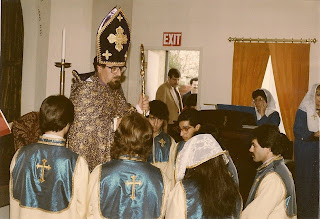
Նա ութ ամիս վերապատրաստվել է այլ թեկնածուների՝ բոլորը տղամարդկանց հետ։ Ուսումնական սովորական դասընթացն ավարտելուց հետո, 1984 թ. դեկտեմբերին, Հայ եկեղեցու Արևմտյան թեմի Առաջնորդ Գերաշնորհ Տ. Վաչե արքեպիսկոպոս Հովսեփյանը նրան արժանի համարեց և ձեռնադրեց Եկեղեցու դպիր։ Մեր իմացությամբ՝ Սետան դարձավ Ամերիկայում առաջին կինը, որը ստացավ Հայ եկեղեցու 4 փոքր աստիճանները։ Ձեռնադրությունից հետո Սետան իր պարտականությունները կատարում էր Սուրբ Խորանում իր արու գործընկերների հետ միասին։
Ինչպես մյուս հայ երիտասարդ կանայք, Սետան ևս երգել էր երգչախմբում և ծառայել ՀԵԵՄ-ում։ Սակայն նա ցանկանում էր Քրիստոսի և Նրա Սուրբ Եկեղեցու հանդեպ իր սերը այլ կերպ արտահայտել։
Իր ուսուցման հենց սկզբից Սետան հասկանում էր, որ իր փորձառությունը տարբերվելու է իր արու գործընկերներից։ Ձեռնադրության մոտենալուն պես մենք անհանգստացած էինք։ Արդյո՞ք ժողովուրդը կընդունի կնոջը խորանի մոտ։ Եթե այո, ապա ինչպե՞ս։ Հատկապես հաշվի առնելով մեր ծխի կազմը (հիմնականում առաջին սերնդի հայեր, որոնք հաճախ համարվում են ավելի «ավանդապաշտ»), ի՞նչ կարձագանքեն նրանք։
Երբ խոսում ենք Հայ եկեղեցում կանանց մասին կամ որևէ գաղափարի մասին, որն անսովոր է մեր Եկեղեցու համար, մենք երկու հիմնական սխալ ենք թույլ տալիս մեր մտածողության մեջ։ Նախ, թեև մենք ավելին գիտենք, մեր եկեղեցական ավանդույթները սահմանափակում ենք մեր ընթացիկ հանգամանքներով։ Այսինքն, եթե ինչ-որ բան կամ արտահայտչաձև այսօր մեր եկեղեցում գոյություն չունի, ինչպես օրինակ՝ կանանց սարկավագությունը, մենք ենթադրում ենք, որ դա ավանդական չէ։ Ցավոք, մենք շարունակում ենք պնդել, որ այդ գաղափարների մուտքը մեր եկեղեցի հակասում է ավանդույթին։ Սակայն Սուրբ Գիրքը, Սուրբ Ավանդությունն ու եկեղեցական պատմությունը ուսումնասիրելիս ակնհայտ է դառնում, որ կանայք միշտ եղել են Եկեղեցու պաշտամունքային կյանքի ակտիվ մասնակիցները։ Հետևաբար, եկեղեցին, որտեղ այսօր կանայք ծառայում են որպես դպիրներ և/կամ սարկավագներ, պետք է իրականում համարվի «ավանդական»։

The second mistake we make is we do not give enough credit to our Armenian faithful. Our true communicants are open to instruction. This was the case in our parish after the traditions were explained and supported through articles and sermons.Seta was accepted from the first day of her ordination. The people applauded and encouraged this young servant of God in her Christian journey. Some even recalled deaconesses they had seen oversees. Some relayed lost dreams they had of serving the Church. In every case the comments were supportive. Along with the compliments, Seta would also receive constructive crticism and suggestions as did her male counterparts. It told us that the congregation accepted her in her new role.
Սետայի ձեռնադրությունը հատուկ իրադարձություն էր ոչ միայն նրա, այլև մեր ողջ համայնքի կյանքում։ Մենք շնորհակալություն ենք հայտնում մեր Առաջնորդ՝ Գերաշնորհ Տ. Վաչե արքեպիսկոպոս Հովսեփյանին՝ մեր համայնքին աճելու այս հնարավորությունը տալու համար։ Սա մի քայլ է դեպի կին սարկավագ ունենալու օրվա իրականացումը։ Շահում է Եկեղեցին, ինչը նշանակում է, որ շահում ենք բոլորս։
~Տեր Վազգեն Մովսեսյան
Սետայի՝ Սուրբ Անդրեասի խորանում ծառայելու տեսանյութը, 1991 թ.
Սետան՝ իր իսկ խոսքերով, AIWW համաժողովում, 1996 թ.
Ուրախ եմ հնարավորության համար պատմելու Հայ Առաքելական եկեղեցու դպիր ձեռնադրվելու իմ փորձառության մասին։ Սա մի թեմա է, որը շատ մոտ է իմ սրտին։
Ես սկսեցի ակտիվորեն մասնակցել Կալիֆոռնիայի Կուպերտինո քաղաքի Սուրբ Անդրեաս հայկական եկեղեցու կյանքին, երբ տեղափոխվեցի տնից կես ժամ հեռավորության վրա և սկսեցի հաճախել Սանտա Կլարայի համալսարան։ Եկեղեցին դպրոցից ընդամենը 10-15 րոպե հեռավորության վրա էր, ուստի ես ամեն շաբաթ հաճախում էի և ներգրավվում երգչախմբի, Հայաստանյայց եկեղեցու երիտասարդաց միության (ՀԵԵՄ) և եկեղեցական այլ գործունեությունների մեջ։ Այն փոքր, ջերմ ու հարմարավետ համայնք էր՝ լի իմ հասակակիցներով։
Ժամանակի ընթացքում, ամեն կիրակի, երբ երգում էի երգչախմբում, նայում էի խորանին և չէի կարողանում չնկատել, թե որքան շատ են իմ արական սեռի հասակակիցները ծառայում խորանում։ Ես նախանձում էի և զգում, որ ես նույնպես ունեմ ծառայելու կարողությունն ու կոչումը։ Ի վերջո, ես խոսում և կարդում էի հայերեն (ի տարբերություն նրանցից շատերի), և նույնիսկ կրոնագիտության դասընթացների էի հաճախում իմ ճիզվիտական համալսարանում։ Նրանք իմ ընկերներն էին, և եկեղեցում այդ երիտասարդները մասնակցում էին նույն Աստվածաշնչի ուսումնասիրություններին, ինչ ես, գնում էին նույն հոգևոր հավաքներին, կամավոր աշխատում նախագծերում, ինչպես ես, և նրանցից ոմանք նույնիսկ ՀԵԵՄ-ի անդամներ էին այն տարի, երբ ես նախագահում էի այն։ Այնուամենայնիվ, ես ինքնակամ զգում էի, որ սահմանափակված եմ երգչախմբում երգելով՝ իմ սեռի պատճառով։
Իմ մեծ հնարավորությունը սկսվեց մեր ամենամյա կրոնական հավաքներից մեկի ժամանակ անցկացված սեմինարին, որը վարում էին մեր հոգևոր հովիվ Տեր Վազգեն Մովսեսյանը և Կալիֆոռնիայի Յետեմ քաղաքի քահանա Տեր Վարդան Կասպարյանը։ Սեմինարի մասնակիցներից մեկը հարցրեց, թե ինչու կանայք չեն կարող ծառայել Հայ եկեղեցու խորանում։ Երկու քահանաներն էլ նայեցին միմյանց և համաձայնեցին, որ չկա որևէ «պաշտոնական» պատճառ, թե ինչու կանայք չեն կարող մասնակցել Սուրբ Պատարագին խորանում։ Տեր Վազգենը նույնիսկ մեկ քայլ առաջ գնաց և ասաց, որ ինքը սարկավագական դասընթացներ կառաջարկի բոլոր ցանկացողներին։ Ես ականջներիս չէի հավատում։ Սեմինարի ավարտից հետո մոտեցա Տեր Վազգենին և հարցրեցի, թե արդյոք նա լուրջ է իր առաջարկի վերաբերյալ։ Նա ասաց՝ իհարկե։ Այնպես որ, ես ասացի նրան, որ ցանկանում եմ վերապատրաստվել։
Եվ դրանով աշխատանքը սկսվեց։ Ես սկսեցի հաճախել Տեր Վազգենի անցկացրած շաբաթական սարկավագական դասընթացներին։ Ուրախ էի տեսնել, որ ինձ առանց դժգոհության ընդունեցին 5-6 երիտասարդների խմբում, որոնք արդեն զբաղված էին վերապատրաստմամբ։ Քանի որ նրանք արդեն կանոնավոր կերպով ծառայում էին խորանում, նրանք ինձանից շատ առաջ էին և շատ օգնեցին ինձ հասնելու նրանց մակարդակին։ Տեր Վազգենի նպատակն էր խորանում ունենալ պաշտոնապես ձեռնադրված սպասավորներ, և քանի որ մեզանից ոչ ոք ձեռնադրված չէր, սա այն նպատակն էր, որի ուղղությամբ մենք բոլորս աշխատում էինք։
Մոտ մեկ տարվա ընթացքում, մինչ մենք վերապատրաստվում էինք, Տեր Վազգենը դանդաղորեն կրթում էր ծխականներին և համայնքին՝ հոդվածներով և զրույցներով եկեղեցում կանանց դերի մասին։ Իհարկե, այս ընթացքում իմ համադասարանցիները շարունակում էին ծառայել խորանում, մինչ ես սպասում էի երգչախմբում։
Վերջապես, ամեն ինչ իրականություն դարձավ 1984 թվականի դեկտեմբերի 9-ին։ Մենք բոլորս ստացանք ձեռնադրության խորհուրդը Արևմտյան թեմի առաջնորդ Արքեպիսկոպոս Վաչե Հովսեփյանից։ Մենք ընդհանուր առմամբ յոթն էինք։ Դա այն օրն էր, որին մենք բոլորս սպասում էինք։ Ձեռնադրությանը իմ ներկայությունն ու մասնակցությունը շատ բնական էին։ Ո՛չ հոգևորականների, ո՛չ էլ ծխականների կողմից որևէ աղմուկ չբարձրացավ կնոջ ձեռնադրվելու կապակցությամբ։ Կարծես դա ամենօրյա սովորական երևույթ լիներ։ Իսկական փորձությունը եկավ հաջորդ կիրակի, երբ ես վերջապես կարողացա լինել խորանում։ Դա հրաշալի հոգևոր և բավարարվածության զգացում էր։ Ես իսկապես գնահատում էի այնտեղ լինելու և ծառայելու հնարավորությունը։ Ընդհանուր առմամբ, ծխականները շատ աջակցող էին՝ դրական մեկնաբանություններով և քաջալերանքով։ Իհարկե, միշտ կան մարդիկ, ովքեր անհարմար են զգում փոփոխություններից, և դա սպասելի է, բայց ի վերջո, երբ նորության զգացումը անցավ, նույնիսկ այդ մարդիկ փոխեցին իրենց վերաբերմունքը։ Ես երբեք ինձ տարօրինակ չեմ զգացել, քանի որ ինձ աջակցում էին Տեր Վազգենը, իմ ընկերներն ու ընտանիքը։ Ես ինձ իրավունք էի վերապահում լինել այնտեղ։ Իսկ դա լավ զգացում է սեփական եկեղեցում։
Ես շարունակեցի ծառայել կիրակի օրերին, ինչպես նաև օգնել հարսանիքների, հուղարկավորությունների և մկրտությունների ժամանակ, մինչև 1986 թվականի ամառը, երբ ավարտեցի համալսարանը և տեղափոխվեցի Բոստոնի տարածք։ Բոստոնում հայտնվելով՝ ես, իհարկե, անմիջապես ցանկացա շարունակել ծառայելու իմ կոչումը։ Ես ինձ տանն էի զգում Հայ եկեղեցում և կարծում էի, որ այն ապաստան կլինի նոր և օտար քաղաքում։ Ես գիտեի, որ Արևելյան թեմի համար նորություն կլինեմ։ Ի վերջո, ես երկրում ոչ մի այլ կին դպիրի մասին չէի լսել։ Հուսով էի, որ կծառայեմ որպես քաջալերանք արևելյան ափի այլ հետաքրքրված կանանց համար, որպեսզի նրանք ևս առաջ գան։ Բայց ես պատրաստ չէի նրան, ինչ սպասվում էր։ Պարզվեց, որ Արևելյան թեմի արքեպիսկոպոսը չէր կիսում Արևմտյան թեմի արքեպիսկոպոսի հայացքները, թեև նրանք նույն եկեղեցուց էին և ձեռնադրված նույն Կաթողիկոսի կողմից։ Ես երբեք չէի երազի, որ իմ ձեռնադրությունը չի ճանաչվի արևելյան եկեղեցիների կողմից։
Առաջին եկեղեցում, որտեղ գնացի, ինձ հրավիրեցին երգելու երգչախմբում։ Ես դա արել էի տասներկու տարեկանից, և զգում էի, որ պետք է շարունակեմ այն աշխատանքը, որը սկսել էի։ Երկրորդ եկեղեցում քահանան հյուրընկալ էր և համակրում էր իմ իրավիճակին։ Նա ինձ հրավիրեց մասնակցելու առավոտյան ժամերգության քարոզներին և թույլ տվեց մոմեր պահել հատուկ խորանից դուրս թափորների կամ արարողությունների ժամանակ։ Սա շատ ավելի քիչ էր, քան այն, ինչ անում էի Սուրբ Անդրեասում, բայց դա սկիզբ էր, և ես արդեն սպառում էի եկեղեցիների ցանկը։ Այս անգամ, սակայն, ես զգացի մարդկանց սուր հայացքները և առավոտյան ժամերգության երկարամյա սպասավորների դժգոհությունը։ Եվ դարձյալ, երբ Սուրբ Պատարագը սկսվեց, ես վերադարձա երգչախումբ։ Ես վերադարձա սկզբնակետին։ Ես իսկապես կարող էի հասկանալ, որ հովվի ձեռքերը կապված էին, և նա իսկապես չէր կարող գործել առաջնորդի արժեքային համակարգից դուրս։
Դա մեծ համայնք էր, և ես գրեթե ոչ ոքի չէի ճանաչում։ Ես զգում էի, որ չեմ կարող միայնակ պայքարել։ Ի վերջո, ես պետք է սկսեի նոր կյանք և կարիերա։ Դանդաղորեն ես նույնիսկ դադարեցի եկեղեցի հաճախել, քանի որ այն դատարկ էր թվում։ Ինչ-որ բան կորել էր։ Ես այլևս չէի ստանում այն, ինչ նախկինում ստանում էի, կամ, եթե այդ մասին խոսենք, չէի կարողանում նույնիսկ տալ։
Այժմ, որպես մայր, ես կցանկանայի, որ իմ երեխաները սովորեն և մասնակցեն մեր եկեղեցու հարուստ ավանդույթներին, բայց ես պայքարում եմ իմ դստերը հայրիշխանական և անհետևողական եկեղեցու հետ ծանոթացնելու մտքի հետ։ Ես չեմ ուզում, որ նա իրեն օտարված կամ ստորադաս զգա որպես կին։ Ես նաև չեմ ուզում, որ իմ որդին կարծի, թե մեր ընտանիքը դա ընդունելի է համարում։
Ինչպես իմ դաստիարակ Տեր Վազգենը կասեր. «Եկեղեցին «այնտեղ» գտնվող վերացական մի բան չէ, այլ Հիսուս Քրիստոսի կենդանի (փոփոխվող, աճող) մարմինն է։ Մենք միասին ենք կազմում այդ մարմինը, և մեզանից յուրաքանչյուրն ունի իր դերը այդ մարմնում։ Ոմանք աչքեր են, ոմանք՝ բերաններ, ոմանք՝ ձեռքեր, ոտքեր, իսկ ոմանք էլ կոչված են ծառայելու»։
Ես հավատ և հույս ունեմ, որ հայ կանայք (և տղամարդիկ) կմիավորվեն և կզորացնեն իրենց՝ իրենց եկեղեցու առաջնորդների վրա ազդեցություն ունենալու համար, որպեսզի այն կանայք, ովքեր կոչված են ծառայելու, կարողանան օգտվել ձեռնադրության խորհրդից։
Եվ գուցե մի օր, երբ իմ դուստրը գնա եկեղեցի և նայի խորանին, նա կարոտի զգացում չունենա՝ թվացյալ անհնարինը կատարելու համար։ Նա կիմանա, որ իր ընտրության հնարավորությունները բաց են, և որ իր եկեղեցին գիտակցում է, որ մենք բոլորս արժանի ենք ծառայելու նույն հնարավորություններին, և որ մենք բոլորս հավասար ենք Աստծո աչքում։




Թողնել պատասխան
Ցանկանո՞ւմ եք միանալ քննարկմանը։Ազատորեն կիսվեք Ձեր մտքերով։