Dar al César lo que es del César y a Dios lo que es de Dios, es donde nos quedamos ayer. Con fervor y la necesidad de separar lo sagrado de lo profano, muchas personas se apresuran a soltar estas palabras en un intento de distanciarse de políticos impíos, ya sea el César o un miembro del ayuntamiento. Y luego, tropiezan (literalmente) con la parábola del mayordomo infiel y escuchan las palabras de Cristo señalando la necesidad de usar las herramientas del mundo para tratar con la gente de este mundo. Gánense amigos mediante las riquezas injustas, para que cuando estas falten, los reciban en las moradas eternas. (Lucas 16)
En el pasaje previo a la separación de lo que pertenece al César de lo que es de Dios, vemos que la élite religiosa de la época de Jesús intentaba tenderle una trampa, y lo hacían «adulándolo». Escucha las palabras que preceden al cuestionamiento:
«Maestro, sabemos que eres un hombre íntegro. No te dejas influir por nadie, porque no te fijas en quiénes son; sino que enseñas el camino de Dios conforme a la verdad». Probablemente esta fue la primera señal para Jesús de que vendría un aguijón. Preguntaron: «¿Es lícito pagar el impuesto al César o no? ¿Debemos pagar o no?»
Marcos escribe: «Jesús conocía su hipocresía. “¿Por qué intentan tenderme una trampa?”» (Marcos 12)
Untar mantequilla —ya sea mucha o poca— significa dar a una persona elogios excesivos, halagos o cumplidos para obtener algo de ella: un favor, aprobación, indulgencia o un mejor resultado.
No se trata solo de ser amable. Es ser amable de forma estratégica. Aquí es donde brota la hipocresía.
Sí, usaron simples caricias al ego para manipular y atrapar a Jesús. Él no cayó en la trampa. Piensa en los halagos, los reconocimientos, los honores y los pedestales que se nos ofrecen. ¿Qué se espera a cambio?
Te dejamos con esta pregunta y esta oración: Enséñame a caminar con humildad, a escuchar profundamente y a recordar que todo lo bueno en mí proviene de Ti. Amén.
Armodoxia para hoy: El ejemplo del mayordomo astuto
Lo que se ha denominado como el administrador deshonesto es el segundo personaje de una trilogía, al igual que el hijo pródigo de la semana pasada y el juez injusto que veremos la próxima semana. Este personaje dista mucho del modelo que esperarías en una historia religiosa y, sin embargo, Jesús lo utiliza; tiene la audacia de usarlo para enseñarnos una lección de vida. Es una lección sobre la mayordomía: cómo administrar los bienes que tenemos en la vida.
Ayer leímos la parábola que se encuentra en el capítulo 16 de Lucas. Es confusa por el simple hecho de que este ladrón y tramposo —el mayordomo astuto, como lo llamamos— es elogiado por su amo. Jesús lo utiliza para exponer un punto.
Vivimos en un mundo lleno de desafíos reales. La realidad no se basa ni se construye sobre cuentos de hadas o mitos. A diferencia de los juegos, la vida es exigente. Nos pide nuestros recursos, de los cuales los más valiosos son nuestro tiempo y esfuerzo: sangre, sudor y lágrimas. La pregunta entonces es: ¿cómo enfrentamos, abordamos y superamos esos desafíos?
Jesús nos dice que los desafíos de la vida son reales. Deben ser enfrentados y superados. Los recursos para lograrlo están a tu alcance y necesitas utilizarlos. En sus palabras, estamos llamados a usar las “riquezas mundanas” para relacionarnos y tratar con la gente de este mundo. En otras palabras, en este mundo debemos usar las herramientas que este mundo ofrece, es decir, la “moneda de curso legal” de este mundo. No evites esas herramientas atribuyéndoles definiciones basadas en tu brújula moral. No pretendas que existes en otro mundo ajeno al que habitamos. Este mundo es muy real. Necesitamos usar los medios de este mundo para sobrevivir en él. ¿Cuáles son esos medios? Nuestros talentos. Los talentos que Dios nos ha dado.
Durante esta temporada de Cuaresma, se te pidió hacer un inventario de las cosas que son esenciales y necesarias para tu vida. Hoy, el ejercicio consiste en hacer un inventario de los dones de Dios en tu vida. ¿Qué talentos posees? ¿Cómo puedes usarlos? ¿Cómo puedes mejorar tu propia vida, así como la de tu familia, amigos y comunidad mediante el uso de esos talentos? Dios te ha dado los recursos que necesitas para enfrentar la vida. Él te ha dado la capacidad, la fuerza y el valor para seguir adelante. ¡Te ha dado el aliento! También te ha dotado de talentos. ¿Cantas o tocas música? ¿Eres capaz de crear algo? ¿Tienes habilidades de razonamiento y lógica? ¿Puedes invertir? ¿Puedes generar dinero? ¿Puedes sanar? ¿Puedes consolar? ¿Puedes vivir en armonía con los demás? Estos son dones de Dios.
Jesús dice: “El que es fiel en lo poco, será confiado con mucho”. ¡Toma tu talento y crea! Inviértelo y multiplícalo, sea cual sea tu talento. Hoy es el día para examinar esos dones que tienes. Estás entrando en un mundo que tiene tantos problemas y dificultades. Necesita la presencia de Dios hoy. No ayer ni mañana. Hoy. Y como embajador de Dios, es decir, embajador del Amor, ahora tienes la responsabilidad de usar tus talentos sabiamente para traer la presencia de Dios a tu propia vida, así como a la vida de las personas que te rodean: tu familia, tus amigos y, en última instancia, el mundo. Además, no tienes derecho a ignorar tus dones y talentos. Eres el administrador de tu vida. Debes usar lo que se te ha dado.
En los próximos días analizaremos los modelos de mayordomía.
Concluyamos con la oración de San Nerses Shnorhali: Esencia increada, he pecado contra Ti en mente, alma y cuerpo; no recuerdes mis pecados pasados por amor a Tu Santo nombre. Ten misericordia de Tus criaturas y de mí, un gran pecador. (Confieso con fe 6/24)
https://epostle.net/wp-content/uploads/2026/03/Squirrely-Manager.jpg900675Vazken Movsesianhttps://epostle.net/wp-content/uploads/2022/07/final_logo_large_for_epostle_web-300x189.pngVazken Movsesian2026-03-10 00:10:592026-03-12 18:48:12El ejemplo del administrador astuto
Hemos superado la mitad de la Cuaresma. Subimos la colina y ahora estamos en la cima, descendiendo. Miramos desde lo alto y vemos dos caminos: uno que dejamos atrás y, lo que es más importante, el camino que tenemos enfrente. Es este sendero el que conecta con una vía más amplia, que es el viaje de la vida. Todo lo que descubres durante este periodo cuaresmal es parte de un proceso de superación personal que fortalece tu posición en la vida, otorgándote las herramientas para enfrentar mejor los desafíos, ya sean físicos, emocionales o espirituales. Dios te da las herramientas para manejar las complejidades de la existencia y hacer que el camino sea sencillo.
Al bajar de la montaña, entramos en un mundo que es muy real. Es un mundo lleno de dificultades y desafíos, pero al mismo tiempo, tiene muchas victorias. Tiene muchos momentos para que nos regocijemos y muchos más para disfrutar. ¡La vida es muy real! Qué apropiado es que hoy, en este punto medio de la Cuaresma, la Iglesia Armenia prescriba la Parábola del mayordomo infiel como su lección cuaresmal. Esta lección, que se encuentra en el capítulo 16 de Lucas, nos conecta con la realidad de la vida.
La parábola del mayordomo infiel nos la entrega nuestro Señor Jesús. Leemos que había un mayordomo, es decir, un administrador. Él estaba encargado de cuidar los bienes y el dinero de su jefe. Jesús se refiere a él como un administrador astuto e incluso "deshonesto". Lo descubren con las manos en la masa en algunos manejos turbios de negocios y está a punto de ser despedido. Él actúa con astucia y redobla la apuesta realizando actos aún más deshonestos contra su empleador, ganándose así amigos para sí mismo; considerando su inminente desempleo, fue un movimiento táctico preventivo. Es calculador y sabe que, cuando lo despidan, estos nuevos amigos lo contratarán. Entonces llega la sorpresa... Jesús lo resume así: "El señor alabó al administrador deshonesto porque había actuado con astucia. Porque los hijos de este mundo son más astutos en el trato con sus semejantes que los hijos de la luz. Yo les digo: usen las riquezas mundanas para ganarse amigos, de modo que, cuando estas se acaben, sean recibidos en las moradas eternas".
Tu acto de caridad es sencillo: lee la Parábola del mayordomo infiel en su totalidad. Nos adentraremos en esta historia que deja a muchas personas perplejas porque el "héroe" es un personaje escurridizo. Ayuna hoy de emitir cualquier juicio, tanto sobre las personas de la historia como sobre las de tu vida.
Celebra la mitad de la Cuaresma con unas galletas cuaresmales; la receta se encuentra a continuación.
Oramos: Señor, te agradezco por confiarme mi vida y el mundo en el que vivo. Ayúdame a ser un mejor administrador de mi vida y de mi mundo. Amén
https://epostle.net/wp-content/uploads/2026/03/City-Scene-911.jpg900900Vazken Movsesianhttps://epostle.net/wp-content/uploads/2022/07/final_logo_large_for_epostle_web-300x189.pngVazken Movsesian2026-03-09 00:10:312026-03-09 16:27:12De vuelta a la realidad: Mayordomía
Armodoxy para hoy – Alimentando a la bestia – Día 24 de 40
La parábola del mayordomo infiel pone el foco en el problema de la ética. Un hombre que fue deshonesto fue elogiado, aplaudido, por sus acciones. Es fácil mezclar emociones, motivaciones, deseos y acciones en una combinación que puede producir resultados favorables, pero no necesariamente buenos si consideramos las acciones que se tomaron para lograrlos. La parábola del mayordomo infiel plantea la pregunta: ¿el fin justifica los medios?
Una noche, un anciano cheroqui le contó a su nieto sobre una batalla que ocurre dentro de las personas. Le dijo: “Hijo mío, la batalla es entre dos lobos que todos llevamos dentro. Uno es el mal. Es la ira, los celos, la tristeza, el arrepentimiento, la codicia, la arrogancia, la autocompasión, la culpa, el resentimiento, la inferioridad, las mentiras, el engaño, la falsa soberbia, la superioridad y el ego. El otro lobo es el bien. Es la alegría, la paz, el amor, la esperanza, la serenidad, la humildad, la bondad, la benevolencia, la empatía, la generosidad, la verdad, la rectitud, la compasión y la fe”.
El nieto pensó en ello por un momento y respondió: “Pero abuelo, ¿cuál gana?”
El anciano cheroqui simplemente respondió: “Al que tú alimentes”.
La Cuaresma es el periodo de tiempo en el que miramos hacia nuestro interior y restringimos nuestra dieta. Al hacerlo, revisamos nuestros hábitos de alimentación.
Un acto de caridad hoy es alimentar al lobo bueno. Ayuna de la comida del lobo malvado.
Pero sin duda intenta preparar el Berry Good Chili; la receta se encuentra en el enlace de abajo.
Oramos, de la novena hora de San Nerses Shnorhali: Señor providente, coloca Tu santo temor como guardia ante mis ojos para que no miren con lujuria; ante mis oídos para que no se deleiten escuchando palabras malvadas; ante mi boca para que no diga falsedades; ante mi corazón para que no piense en el mal; ante mis manos para que no cometan injusticias; ante mis pies, para que no caminen por senderos de injusticia; sino dirígelos para que siempre sigan todos Tus mandamientos. Ten piedad de Tus criaturas y de mí, un gran pecador. Amén. Recetas de Cuaresma del diácono Varoujan: Receta 24: “Berry Good Chili”
https://epostle.net/wp-content/uploads/2025/03/feeding-the-beast.jpg11251125Vazken Movsesianhttps://epostle.net/wp-content/uploads/2022/07/final_logo_large_for_epostle_web-300x189.pngVazken Movsesian2025-03-26 00:01:342025-03-20 08:46:17Alimentando a la bestia – Día 24 de 40
Armodoxy para hoy: Talentos recibidos – Día 23 de Cuaresma
Comenzamos esta semana con la Parábola del Administrador Infiel (Lucas 16), la cual nos llevó a una reflexión sobre la mayordomía. Continuamos hoy preguntándonos: ¿cuáles son los talentos que poseemos? ¿Cómo podemos usarlos? ¿Cómo podemos mejorar nuestras propias vidas, así como las de nuestras familias, amigos y comunidad usando esos talentos? Dios nos ha dado los recursos que necesitamos para enfrentar la vida. Nos ha dado la capacidad, la fuerza y el valor para seguir adelante. ¡Nos ha dado el aliento! También nos ha dotado de talentos. ¿Cantas o tocas música? ¿Eres capaz de crear algo? ¿Tienes habilidades de razonamiento y lógica? ¿Puedes invertir? ¿Puedes generar dinero? ¿Puedes sanar? ¿Puedes consolar? ¿Puedes caminar en armonía con los demás? Estos son dones de Dios.
Jesús dice: “El que ha sido fiel en lo poco, en lo mucho será puesto”. ¡Toma tu talento y crea! Inviértelo y multiplícalo, sea cual sea tu talento. Como embajador de Dios, es decir, embajador del Amor, ahora tienes la responsabilidad de usar tus talentos sabiamente para llevar la presencia de Dios a tu propia vida, así como a la vida de quienes te rodean: tu familia, tus amigos y, en última instancia, el mundo.
Existe una disposición sobre el uso de nuestros talentos que a menudo se olvida: no tienes derecho a ignorar tus dones y talentos. Tú eres el administrador de tu vida. Debes usar lo que se te ha dado.
Tu acto de caridad consiste en asignar tus talentos para que sean utilizados. Ayuna de negatividad. Todo es posible con Dios.
Disfruta hoy de un platillo de Cuaresma: pasta con pimientos rojos asados y garbanzos frescos; la receta se encuentra a continuación.
Oramos: Padre Celestial, nos has creado a cada uno de nosotros de manera única y, en esa singularidad, nos has dotado con dones de talento y energía. Ayúdame a explorar y aprovechar esos talentos para el mejoramiento de nuestra vida y de nuestro mundo. Amén.
Armodoxy para hoy – Habilidades de gestión – Día 22 de Cuaresma
En la Parábola del Administrador Deshonesto que leímos ayer (Lucas 16), encontramos a otro personaje, al igual que el de la semana pasada —el Hijo Pródigo—, que dista mucho del modelo que esperarías en una historia religiosa y, sin embargo, Jesús lo usa; tiene la audacia de utilizarlo para enseñarnos una lección de vida. Es una lección sobre la mayordomía: gestionar los activos que tenemos en la vida.
Vivimos en un mundo lleno de desafíos reales. La realidad no se basa ni se construye sobre cuentos de hadas o mitos. A diferencia de los juegos, la vida es exigente. Nos pide nuestros recursos, de los cuales los más valiosos son nuestro tiempo y esfuerzo: sangre, sudor y lágrimas. La pregunta entonces es: ¿cómo enfrentamos, abordamos y superamos esos desafíos?
Jesús nos dice que los desafíos de la vida son reales. Debes enfrentarlos y superarlos. Los recursos para lograrlo ya están disponibles y necesitas utilizarlos. En sus palabras, estamos llamados a usar la "riqueza mundana" para relacionarnos y tratar con la gente de este mundo. En otras palabras, en este mundo debemos usar las herramientas que este mundo ofrece, es decir, la "moneda de curso legal" de este mundo. No rechaces esas herramientas atribuyéndoles definiciones basadas únicamente en tu brújula moral. No pretendas que existes en otro mundo distinto al que habitamos. Este mundo es muy real. Recuerda que ya pasaste la mitad de la Cuaresma. Detrás de ti ves el camino que te trajo hasta aquí, pero frente a ti está el que te une al camino de la vida. Necesitamos usar los medios de este mundo para sobrevivir en él. ¿Cuáles son esos medios? Nuestros talentos. Los talentos que Dios nos ha dado.
Un acto de caridad hoy consiste en convertirte en administrador de algo que necesita cuidado: tu iglesia, tu familia o un amigo que lo requiera. Ayuna de practicar tu fe solo los domingos.
La receta de hoy es la Súper Ensalada de Tofu de Susty, en el enlace de abajo.
Oramos: Padre Celestial, te agradezco por las bendiciones que has derramado sobre mí. Concédeme administrar esos talentos de las maneras que te sean agradables y que traigan armonía a nuestro mundo. Amén.
https://epostle.net/wp-content/uploads/2025/03/All-together-655-scaled.jpg25602410Vazken Movsesianhttps://epostle.net/wp-content/uploads/2022/07/final_logo_large_for_epostle_web-300x189.pngVazken Movsesian2025-03-24 00:01:072025-03-19 21:33:44Habilidades de gestión – Día 22 de 40
Camino cuaresmal Día 23: Socializar De todos los temas que hemos discutido durante la temporada de Cuaresma, ¿alguna vez pensaste que hablaríamos sobre "socializar"?
La palabra «chismear» implica sentimientos falsos, un tipo de insinceridad. Curiosamente, Jesús convirtió al chismoso en el héroe de su historia. Por supuesto, hablo del administrador insincero, injusto y deshonesto, la historia de la cual hemos estado aprendiendo durante los últimos dos días, pero hoy lo hacemos desde otro ángulo.
Recuerda, el mayordomo es alguien en quien su jefe ha confiado para administrar los asuntos de negocios: la riqueza y los bienes del jefe. Como Jesús cuenta la historia, resulta que este mayordomo es un hombre corrupto. Es un hombre que ha robado y ha sido descubierto como deshonesto. Mientras sus empleadores lo despiden, Jesús nos dice que se le ordena: "¡Rinde cuentas de tu mayordomía!". ¿Cómo administró lo que se le confió?
La historia continúa, tal como la cuenta Jesús, de esta manera: Así que pensó para sí mismo: "No soy lo suficientemente fuerte para cavar. Y me da vergüenza pedir limosna. Sé lo que haré para que, cuando pierda mi trabajo aquí, la gente me reciba en sus casas". Entonces llamó a cada uno de los deudores de su señor. Le preguntó al primero: "¿Cuánto le debes a mi señor?". "800 galones de aceite de oliva", respondió. El administrador le dijo: "Toma tu factura, siéntate rápido y hazla por 400". Luego le preguntó al segundo: "¿Y cuánto debes tú?". "Mil fanegas de trigo". Él respondió: "Toma tu factura y hazla por 800".
Así que analicemos qué está pasando aquí... ¿Qué pretende este mayordomo? Está tomando lo que no le pertenece y lo está usando para su propio beneficio. Interesante. Pensarías que su jefe estaría más molesto. Pero Jesús le da la vuelta a la situación. "El señor", dice Jesús, "elogió al administrador deshonesto porque actuó con astucia...". ¿Y la justificación? Jesús continúa: "...porque los hijos de este mundo son más astutos en el trato con sus semejantes que los hijos de la luz. Yo les digo: usen las riquezas mundanas para ganarse amigos, de modo que cuando estas se acaben, sean recibidos en las moradas eternas".
Esta puede ser una parábola muy confusa a primera vista. De hecho, algo tan poco sincero como "socializar" se convierte en una norma para esta persona y es elogiado por su comportamiento. Es aplaudido por su astucia. Pero la declaración de justificación es muy importante. Cuando Jesús dice que "los hijos de este mundo son más astutos en sus tratos que los hijos de la luz", nos está diciendo que mientras estamos aquí en este mundo, necesitamos usar las herramientas que se nos han dado. Debemos encontrar el lenguaje de este mundo para entendernos mejor y funcionar juntos: para comunicarnos, de modo que podamos implementar y realizar el trabajo que es necesario. Por supuesto, puede surgir confusión porque suena extraño basándonos en nuestros prejuicios. Es decir, estamos condicionados a creer que las personas religiosas no optan por medios poco sinceros. Es decir, esto no suena "religioso". Pero esa es la belleza de lo que Jesús nos está enseñando y la belleza de la dirección de nuestros Padres de la Iglesia en este punto de la Cuaresma.
Durante esta segunda mitad del camino cuaresmal, estamos bajando de la cima de la montaña mientras miramos hacia la vida en la tierra. Recuerda que el objetivo de la Cuaresma es instruirnos y prepararnos para vivir mejor nuestras vidas aquí y ahora. Lamentablemente, muchas veces la comunidad religiosa pone erróneamente su énfasis en una vida venidera, olvidando que nuestra vida aquí es una de belleza, una que necesita ser cuidada y con la cual necesitamos interactuar. Hoy sabemos que hay muchos problemas en el mundo. Hay guerras, hambrunas, injusticia y una ausencia de paz en cada rincón del planeta. A un nivel muy personal, conocemos la enfermedad y el padecimiento. Las relaciones se han torcido. Las familias están siendo destruidas por nuestros deseos materialistas. Las drogas están entrando en la vida de nuestros hijos y causando estragos. Todas estas cosas, nos dice Jesús, son reales. No pienses que puedes evitarlas. Sin embargo, Él nos da las herramientas para lidiar con nuestros problemas reales. Esas herramientas no son las santas que esperamos, sino que están arraigadas en los caminos del mundo. Tiene sentido. Para lidiar con los problemas de este mundo, necesitas las herramientas de este mundo.
Supera los problemas que tienes usando las herramientas y los talentos que Dios te ha dado. Al hacerlo, comenzarás a ver el panorama general y tu lugar dentro de él. Tienes las herramientas para hacer cualquier cosa, incluso para lograr la paz. Esa ira y ese odio que escalan hasta convertirse en guerra y genocidio, la pobreza, la enfermedad, el padecimiento, la contaminación y que luego se manifiestan en cánceres y en el cáncer del hambre, todo puede resolverse usando la "riqueza mundana" —el dinero— para traer la justicia de Dios aquí a este mundo. El saber relacionarte depende de nosotros.
Para hoy te pido que leas el Evangelio de Lucas, capítulo 16. Lee la historia del administrador deshonesto y luego piénsalo de esta manera: El jefe es Dios. Tú y yo somos los administradores. Luego completa los espacios en blanco con los problemas de tu vida. ¿Cómo puedes usar los talentos que tienes para saber relacionarte – ¿soluciones en tu vida? Esta temporada de Cuaresma es el primer llamado. En otras palabras, nuestro empleador nos ha llamado a rendir cuentas de nuestra administración. ¿Qué hemos hecho?
Gracias a Dios tenemos esta oportunidad de la Cuaresma para enderezar nuestro camino. Dios nos ha dado esas herramientas. Mira a tu alrededor y encuentra los lugares donde puedes usar ese talento, donde puedes "socializar"... y usando el lenguaje de este mundo, mejora tu situación y trabaja para convertir los sueños en realidad.
Recuerda, esta vida es hermosa. Esta vida, ahora mismo, vale la pena vivirla. Esta vida es lo que Dios te ha dado. No mires más allá de ti mismo y de tu vida. No mires algo o alguna vida venidera. Eso sucederá. La vida venidera está en el dominio de Dios. Jesús nos dice que no nos preocupemos por el mañana, sino que lidiemos con el presente. Pon tu mente en el Reino de Dios y todo lo demás vendrá a ti. Es esta vida la que es el regalo de Dios. Disfrútala. Socializa. Marca la diferencia en las vidas que tocas. Él te ha dado todo lo que necesitas para lograrlo y hacer de esta la vida hermosa que Él pretende que sea.
Oremos la oración de San Nerses Shnorhali: Confieso con fe y te adoro, oh luz indivisible, simultánea Santísima Trinidad y un solo Dios, creador de la luz y disipador de las tinieblas. Disipa de mi alma la oscuridad del pecado y la ignorancia y, en esta hora, ilumina mi mente para que pueda orar a ti conforme a tu voluntad y recibir de ti el cumplimiento de mis súplicas. Ten misericordia de todas tus criaturas y de mí, un gran pecador. Amén. (Confieso con fe 2/24)
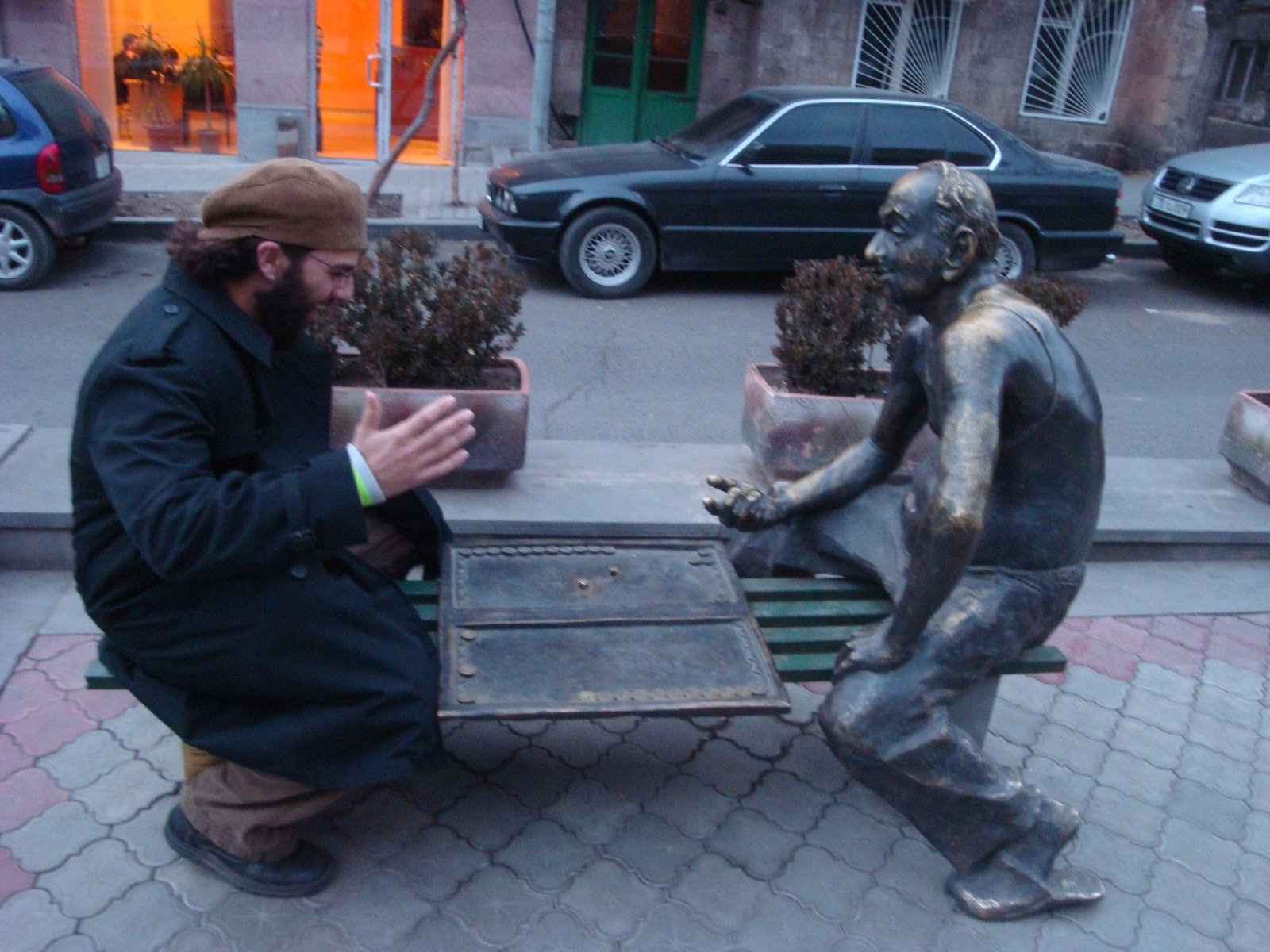
Foto: (c)2009 P. Vazken Movsesian
https://epostle.net/wp-content/uploads/2024/03/Varoujan-Tavloo-on-the-streets-of-Yerevan-scaled.jpg19202560Vazken Movsesianhttps://epostle.net/wp-content/uploads/2022/07/final_logo_large_for_epostle_web-300x189.pngVazken Movsesian2024-03-05 00:01:422024-03-05 13:30:11Relacionarse: Día 23 de Cuaresma
Día 22 del camino cuaresmal: Capacitación en administración
Esta es la semana del administrador. Ayer leímos la historia del administrador infiel en el Evangelio de Lucas (16), en la que Jesús utiliza esta metáfora para señalar nuestra responsabilidad en la vida. Estamos llamados a ser administradores de la vida y de los talentos que Dios nos ha dado. Él nos pide que usemos esos talentos con nuestros hermanos y hermanas aquí en este mundo.
Al usar la metáfora de la administración, Jesús deja muy claro que somos responsables de nuestra vida. Un día, al igual que el administrador, se nos pedirá que presentemos un registro, una rendición de cuentas de nuestra administración. ¿Qué hiciste con lo que Dios te ha dado? ¿Te dio talentos? ¿Te dio una habilidad? ¿Te dio una sonrisa? ¿Te dio un latido y un aliento? ¿Qué hiciste con ese regalo? ¿Qué hiciste con tu vida?
Imagina que le das un regalo a un amigo o a un ser querido. ¿No te gustaría saber que esa persona disfrutó tu obsequio? En algún momento, ¿no le preguntarías a tu ser querido: “¿Qué hiciste con el regalo que te di? ¿Lo disfrutaste?”. Ciertamente, te sentirías muy dolido si esa persona hubiera tomado tu regalo y lo hubiera guardado en un armario, o peor aún, si lo hubiera tirado a la basura sin prestarle atención alguna. De igual manera, Dios quiere saber que el regalo que nos ha dado, ese bien tan valioso —el aliento que respiramos, el corazón que late, la sonrisa que nace de nuestro interior— está siendo utilizado y aprovechado con sabiduría. En última instancia, se trata de si lo usas para difundir el amor de Dios a los demás. Esa es la exigencia que se nos impone como administradores de los dones de Dios. Somos administradores de nuestras propias vidas. Somos responsables de los talentos que se nos han confiado: compartirlos, usarlos y rendir cuentas de ¿cómo?, ¿dónde? y ¿qué hicimos con todo lo que Dios nos ha dado?
Entre los siete pecados capitales se encuentra uno llamado “pereza”, quizás el más incomprendido porque apunta a la inactividad, mientras que los otros pecados requieren que seas activo, que participes en el pecado. Este pecado se define simplemente por ser perezoso, por no hacer algo. Ahora piensa en eso por un momento. ¿Por qué sería eso un pecado? ¿Cómo puede el no hacer algo ser un pecado?
Dios te ha dado un regalo. No tienes derecho a guardarlo en un armario. No tienes derecho a tomar el regalo de Dios y tirarlo a la basura. Es santo. Es sagrado. Eso es lo que es tu vida. Cada bendición, cada momento que tienes en tu vida es un regalo sagrado de Dios.
Durante esta Cuaresma, hacemos un inventario de las distintas bendiciones que tenemos en la vida. Vemos que podemos reducir la vida a lo mínimo indispensable, a lo esencial para vivir y sobrevivir. Al hacerlo, comprendemos que lo poco, ese elemento tan esencial de la vida, es en realidad la bendición que Dios nos ha dado. Curiosamente, a medida que avanzamos en este camino cuaresmal, nuestra perspectiva cambia.
Hace unas semanas leímos que Jesús dice: "No solo de pan vive el hombre, sino de toda palabra que sale de la boca de Dios". En aquel momento pensamos en lo básico, en lo mínimo indispensable. Pero hoy eso ha cambiado, porque nosotros hemos cambiado desde que leímos ese pasaje. El reto de hoy, en este día 22 de Cuaresma, es ver esas mismas palabras, "...de toda palabra que sale de la boca de Dios...", como la bendición, como la plenitud de Dios hablándole a nuestros corazones, a nuestros oídos que escuchan desde el interior y ahora actúan. Nos preguntamos: si Dios nos habla y guía nuestros caminos, ¿podemos equivocarnos? ¿Podemos ser conducidos en la dirección incorrecta? ¿Podemos pensar que nuestras acciones como administradores de esa vida dada por Dios pueden ser otra cosa que productivas? Será una vida llena de belleza, de armonía, de amor y de toda la dinámica necesaria en esta vida. La vida que vivimos hoy es abundante. "He venido para que tengan vida", dijo el Señor, "y la tengan en abundancia". Una vida con Cristo es una vida en amor. Es una vida de abundancia que tiene todo lo que necesitas.
Somos administradores del regalo más preciado que Dios nos ha dado. No es algo que guardes en tu cartera ni en tu cuenta bancaria, sino algo que reside en el centro de tu ser, en tu corazón. Es la vida, y se define por la sonrisa, la calidez y el amor que emanan de ti.
Tú eres el administrador. No hay una etiqueta en tu camisa que diga "Gerente", porque Dios te ha puesto la etiqueta más grande de todas: te ha llamado su hijo. Aprovecha hoy. ¿Hay algo que le hable más a tu corazón que tus propios sueños, que el acceso a una vida plena y rica? Es tuya. Es tuya porque Dios te ha puesto a cargo de esa vida. No tienes derecho a guardarla en un armario ni a desperdiciarla. Tu único derecho es disfrutarla. Deja que florezca, deja que dé frutos y deja que glorifique a Dios.
Continuaremos con este tema de la mayordomía durante esta semana. Por hoy, concluyamos con la oración de San Nerses Shnorhali: Jesús, sabiduría del Padre, concédeme la sabiduría para que siempre piense, diga y haga lo que es bueno ante tus ojos. Líbrame de los malos pensamientos, palabras y obras. Ten piedad de todas tus criaturas y de mí, un gran pecador. Amén. (Confieso con fe 11/24)
https://epostle.net/wp-content/uploads/2013/03/DSC04647.jpg12001600Vazken Movsesianhttps://epostle.net/wp-content/uploads/2022/07/final_logo_large_for_epostle_web-300x189.pngVazken Movsesian2024-03-04 00:01:252024-03-03 16:30:22Capacitación en gestión – Día 22 de Cuaresma
Lenten Journey Day 25 – Fear By this 25th day of the Lenten Journey we realize many things have changed in our lives. It may seem as if our surroundings have changed when actually we are now perceiving things differently. We have a broader understanding of our prayer life. We communicate with God and with our self. We understand our fasting as a means of discipline, and of course, our giving – reaching out to others with compassion – as an articulation of faith. On this 25th day of Lent, we understand that beyond these 40 days, there is a the journey of life. What we gain from Lent, we will carry for the rest of our life. These past few days we have studied the story of the Dishonest Steward and contemplated on the theme of stewardship, that is, being entrusted by another to look over assets. We are entrusted by God to look over His greatest gift to us: the life that we live. We are managers of that life. Remember that in the story of the Dishonest Steward, we find a person who is commended for his shrewdness. Shrewdness is one man’s talent, while others may shy away from such expressions because of fear. That fear, in turn, prevents us from maximizing our potential. The fear of the unknown is high on the list of fears, along with the fear of the self, the fear of being put down. There are so many dimensions to fear, and whatever they may be, we realize that fear prevents us from maximizing our potential. Fear is the hurdle to overcome. The obstacles to win the race of life are many. Overcoming fear is our first step. Think about it in your life – all the dreams that you have, all of them are attainable, so what prevents you from reaching those goals if not fear? In our churches we cover the altar during the Lenten season. That curtain symbolizes sin, the separation between us and God due to sin. Because of our imperfection, we sin. And yet, perhaps that curtain can best be described as fear, as the fear that really prevents us from seeing the beauty that is all around us. Seeing the potential we have within us. Beyond the parable of the Dishonest Steward, Jesus uses other parables to explain stewardship to us. Among them he speaks of stewards who are fearful; that is, people who are entrusted with life but fear to explore it. One such parable reminds us of three men who are entrusted with different amounts of money. To the first, $10,000 dollars is given; to the second, $5,000; and to the third, $1,000. When an accounting is required – “What did you do with the money that I gave you? – the first one says, “I took the $10,000 and I invested it. And I took some risks with it, but here it is. I have produced an additional $10,000.” The second man did the same thing. He took the $5,000 and he multiplied it and gave back $10,000 – “Here’s $5,000, and here’s $5,000 more that I invested and am giving back to you!” But the third of these stewards was fearful. To him was given $1,000. And he was scared. He was scared of humiliation. He was fearful that he might be condemned if anything happened to that money. Rather than understanding that money as a tool, he took it and kept it in his pocket, as if it had intrinsic worth in itself. When asked for an accounting of his stewardship, he reached into his pocket and gave back the $1,000. Nothing was lost! Not a penny! But he was condemned. He was condemned because what was given to him was kept and not utilized. He was scared to use it. He had that fear that each and every one of us possess: the fear of succeeding. The reasons for those fears are many. They go back to our childhood and to our relationships with people who have demanded of us. Some of them are because of physical inabilities, handicaps or illnesses. They are all the same, and each of them accordingly prevent us from realizing our dreams, from reaching the goals that we set for ourselves and more importantly, from reaching the goals that God wants us to set for ourselves. Each of the stewards in this story are given different amounts to remind us that life deals out different hands to different people. Some may have more, and others may have less, but in each case we have a responsibility to take what is given to you and maximize it. I invite you today to really think about that stewardship that God has entrusted us with – the life that you have – to end the fears that prevent you from really maximizing yourself and the potential that God has placed inside of your heart. There are so many beautiful things all around you, and I invite you to look beyond the material gains. This is not an exercise in prosperity but an exercise in fulfilling the dreams of your heart and of reaching the potential that you have. During this Lenten Journey we realize that the curtains in front of us need to be drawn, and that we do want to see the beauty in life. Because we want it, we know that God has placed that desire in our hearts. Let us seek the beauty that God has set up all around us and know that with his help those potentials can be realized and actualized. We now pray the prayer of St. Nerses Shnorhali Protector of your Creatures, by the sign of your holy cross, keep my soul and body from the allurement of sin, from the temptation of the devil and unjust people, and from all perils of soul and body. Have mercy upon all your creatures, and upon me, a great sinner. Amen. (I Confess with Faith, 14/24)
https://epostle.net/wp-content/uploads/2013/03/AMAZA003.jpg600900Vazken Movsesianhttps://epostle.net/wp-content/uploads/2022/07/final_logo_large_for_epostle_web-300x189.pngVazken Movsesian2023-03-16 00:01:002023-03-15 21:36:19Camino de Cuaresma Día 25 – Miedo
Jornada de Cuaresma Día 23: Relacionarse De todos los temas que hemos discutido durante la temporada de Cuaresma, ¿alguna vez pensaste que hablaríamos sobre "relacionarse"?
La palabra «chismear» implica sentimientos falsos, un tipo de insinceridad. Curiosamente, Jesús convirtió al chismoso en el héroe de su historia. Por supuesto, hablo del administrador insincero, injusto y deshonesto, la historia de la cual hemos estado aprendiendo durante los últimos dos días, pero hoy lo hacemos desde otro ángulo.
Recuerda, el administrador es alguien en quien su jefe ha confiado para gestionar los asuntos del negocio: la riqueza y los bienes del jefe. Según la historia, resulta que este administrador es un hombre corrupto. Es un hombre que ha robado y ha sido descubierto como deshonesto. Mientras sus empleadores lo despiden, se le ordena: «¡Rinde cuentas de tu administración!»
La historia continúa, tal como la cuenta Jesús, de esta manera: Entonces pensó para sí mismo: “No soy lo suficientemente fuerte para cavar. Y me da vergüenza pedir limosna. Ya sé lo que haré para que, cuando pierda mi trabajo aquí, la gente me reciba en sus casas”. Así que llamó a cada uno de los deudores de su amo. Le preguntó al primero: “¿Cuánto le debes a mi amo?”. “Tres mil litros de aceite de oliva”, respondió. El administrador le dijo: “Toma tu recibo, siéntate rápido y escribe mil quinientos”. Luego le preguntó al segundo: “¿Y tú cuánto debes?”. “Cinco mil fanegas de trigo”. Él respondió: “Toma tu recibo y escribe cuatro mil”. ¿Qué está haciendo este administrador? Está tomando lo que no le pertenece y lo está usando para su beneficio. Interesante. Uno pensaría que su jefe estaría más molesto. Pero Jesús le da la vuelta a la situación. “El amo”, dice Jesús, “elogió al administrador deshonesto porque actuó con astucia...”. ¿Y la justificación? Jesús continúa: “...porque los hijos de este mundo son más astutos en el trato con los de su propia clase que los hijos de la luz. Yo les digo: usen la riqueza mundana para ganarse amigos, de modo que cuando esta se acabe, sean recibidos en las moradas eternas”.
Esto puede resultar muy confuso a primera vista. De hecho, algo tan poco sincero como el chisme se convierte en la norma para esta persona y es elogiado por su comportamiento. Se le aplaude por su astucia. Pero la declaración de justificación es muy importante. Cuando Jesús dice: «los hijos de este mundo son más astutos en sus tratos que los hijos de la luz», nos está diciendo que, mientras estamos aquí en este mundo, debemos usar las herramientas que se nos han dado. Debemos encontrar el lenguaje de este mundo para entendernos mejor y funcionar juntos; para comunicarnos, de modo que podamos implementar y hacer el trabajo que es necesario. Por supuesto, puede surgir confusión porque suena extraño según nuestros prejuicios. Es decir, estamos condicionados a creer que las personas religiosas no optan por medios poco sinceros. Es decir, esto no suena «religioso». Pero esa es la belleza de lo que Jesús nos enseña y la belleza de la dirección de nuestros Padres de la Iglesia en este punto de la Cuaresma.
Durante esta segunda mitad del camino cuaresmal, estamos bajando de la cima de la montaña mientras miramos hacia la vida en la tierra. Tenemos que entender que esta es una vida real. Lamentablemente, muchas veces la comunidad religiosa pone erróneamente su énfasis en una vida futura, olvidando que nuestra vida aquí es una de belleza, una que necesita ser cuidada y con la cual necesitamos interactuar. Hoy sabemos que hay muchos problemas en el mundo. Hay guerras, hambrunas, injusticia y una ausencia de paz en cada rincón del planeta. A un nivel muy personal, conocemos la enfermedad y el padecimiento. Las relaciones se han torcido. Las familias están siendo destruidas por nuestros deseos materialistas. Las drogas están entrando en la vida de nuestros hijos y causando estragos. Jesús nos dice que todas estas cosas son reales. No pienses que puedes evitarlas. Sin embargo, él nos da las herramientas para lidiar con nuestros problemas reales. Esas herramientas no son las santas que esperamos, sino que están arraigadas en las formas del mundo. Tiene sentido. Para lidiar con los problemas de este mundo, necesitas las herramientas de este mundo.
Supera los problemas que tienes usando las herramientas y los talentos que Dios te ha dado. Al hacerlo, comenzarás a ver el panorama general y tu lugar dentro de él. Tienes las herramientas para hacer cualquier cosa, incluso para lograr la paz. Esa ira y ese odio que escalan hasta convertirse en guerra y genocidio, la pobreza, la enfermedad, el padecimiento, la contaminación y que luego se manifiestan en cánceres y en el cáncer del hambre, todo puede resolverse usando la "riqueza mundana" —el dinero— para traer la justicia de Dios aquí a este mundo. El saber relacionarte depende de nosotros.
Para hoy te pido que leas el Evangelio de Lucas, capítulo 16. Lee la historia del administrador deshonesto y luego piénsalo de esta manera: El jefe es Dios. Tú y yo somos los administradores. Luego completa los espacios en blanco con los problemas de tu vida. ¿Cómo puedes usar los talentos que tienes para saber relacionarte – ¿soluciones en tu vida? Esta temporada de Cuaresma es el primer llamado. En otras palabras, nuestro empleador nos ha llamado a rendir cuentas de nuestra administración. ¿Qué hemos hecho?
Gracias a Dios tenemos esta oportunidad de la Cuaresma para corregir nuestro camino. Dios nos ha dado esas herramientas. Mira a tu alrededor y encuentra los lugares donde puedes usar ese talento, donde puedes relacionarte... y usando el lenguaje de este mundo, mejorar nuestra situación y trabajar para convertir los sueños en realidad.
Recuerda, esta vida es hermosa. Esta vida, ahora mismo, vale la pena vivirla. Esta vida es lo que Dios te ha dado. No mires más allá de ti mismo y de tu vida. No mires hacia algo o alguna vida por venir. Es esta vida la que es el regalo de Dios. Disfrútala. Relaciónate. Marca una diferencia en las vidas que tocas. Él te ha dado todo lo que necesitas para lograrlo y hacer de esta la hermosa vida que Él desea que sea.
Oremos la oración de San Nerses Shnorhali: Confieso con fe y te adoro, oh luz indivisible, simultánea Santísima Trinidad y un solo Dios, creador de la luz y disipador de las tinieblas. Disipa de mi alma la oscuridad del pecado y la ignorancia y, en esta hora, ilumina mi mente para que pueda orar a ti conforme a tu voluntad y recibir de ti el cumplimiento de mis súplicas. Ten misericordia de todas tus criaturas y de mí, un gran pecador. Amén. (Confieso con fe 2/24)
Foto: (c)2009 P. Vazken Movsesian
https://epostle.net/wp-content/uploads/2013/03/Varoujan-Tavloo-on-the-streets-of-Yerevan.jpg12001600Vazken Movsesianhttps://epostle.net/wp-content/uploads/2022/07/final_logo_large_for_epostle_web-300x189.pngVazken Movsesian2023-03-14 00:01:002023-03-14 07:32:58Camino de Cuaresma Día 23 – Socializar

 De todos los temas que hemos discutido durante la temporada de Cuaresma, ¿alguna vez pensaste que hablaríamos sobre "socializar"?