 2026 Epostle
Signos de puntuación que marcan
Armodoxia para hoy: Puntuación
Una de las formas en que el conocimiento se transmite de maestro a alumno, de generación en generación, es a través de la palabra escrita. La Biblia evolucionó de una tradición oral a la palabra escrita, hasta la colección impresa que llevamos hoy. Fue escrita en griego, hebreo bíblico y arameo bíblico. La imprenta no se inventó hasta el siglo XV. Hasta entonces, era transferida a nuevas audiencias por escribas que copiaban minuciosamente las palabras de un manuscrito a un nuevo pergamino e inspeccionaban arduamente los textos para evitar errores; y esas palabras se convirtieron en las historias de la Fe.
Resulta interesante que muchos de los textos, especialmente el texto griego del Nuevo Testamento, fueron escritos en MAYÚSCULAS, sin espacios y probablemente sin puntuación.
La puntuación es necesaria para dar sentido a las palabras que componen una oración. Toma, por ejemplo, la frase: “Las mujeres sin su hombre no son nada”. Espera, antes de que decidas dejar de seguir esta publicación, quiero que te des cuenta de que la frase carece de puntuación. De nuevo: Las mujeres sin su hombre no son nada. Ahora, añadamos algo de puntuación: Mujer, sin ella, el hombre no es nada. Las mismas palabras, con la puntuación añadida, revelan una oración que expresa un pensamiento totalmente opuesto al original.
Imagina ahora la tremenda tarea que tuvo la Iglesia al descifrar las oraciones y sus estructuras. Cuando Jesús se dirige al ladrón en la cruz y le dice: “En verdad te digo, hoy estarás conmigo en el paraíso”, hay una certeza de que la vida continúa inmediatamente después de la muerte. Pero si una coma se moviera una palabra: “En verdad te digo hoy, estarás en el paraíso”, la inmediatez del momento se pierde, abriendo la puerta a la especulación sobre el siguiente paso después de la muerte.
Afortunadamente, la Iglesia estuvo allí desde el principio y conocía el significado de las palabras antes de que fueran escritas en una oración.
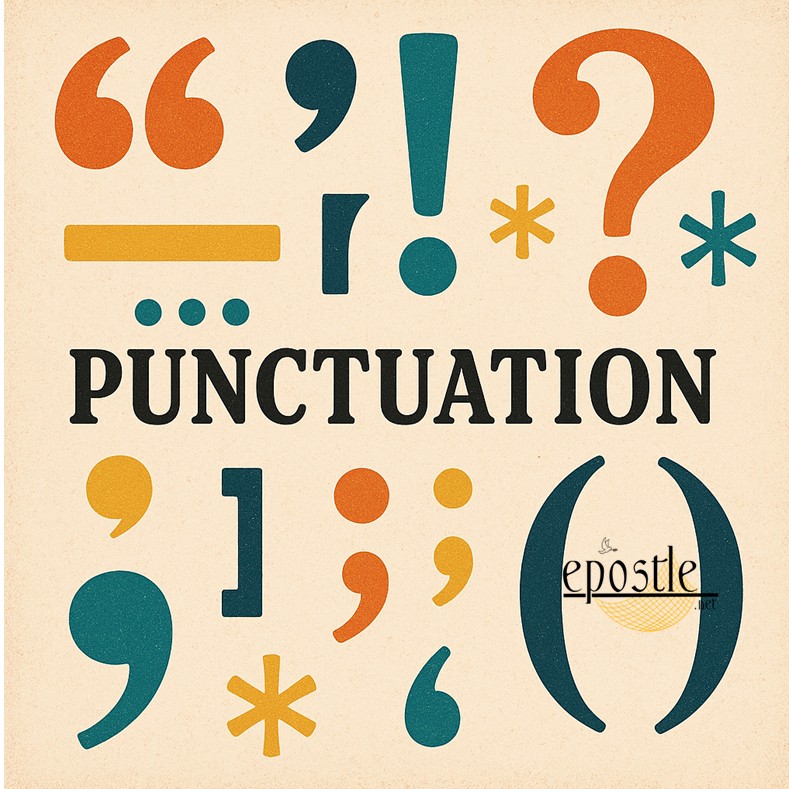
La puntuación —un punto, una línea, un garabato— es más que una pausa o un acento. Es una forma de transmitir un mensaje.
Hoy oramos: “Señor, abre mi corazón a tu palabra. Escucho con mis oídos y leo con mis ojos, pero es mi corazón el que te entrego. Amén”.
 2014 P. Vazken
 2009 P. Vazken Movsesian


 2026 Epostle
 2024 Epostle
Deja un comentario
¿Quieres unirte a la conversación?¡Siéntete libre de participar!