
 2025 Առաքյալ
Հոգևոր հասունություն
Արմոդոքսիան այսօր. Հոգևոր հասունություն
Հիսուսի առաջին հրաշքը գրված է Սուրբ Հովհաննեսի Ավետարանում. «Երրորդ օրը Գալիլեայի Կանա քաղաքում հարսանիք կար, և Հիսուսի մայրը այնտեղ էր: Հիսուսն ու իր աշակերտները նույնպես հրավիրված էին հարսանիքին: Երբ գինին վերջացավ, Հիսուսի մայրը ասաց նրան. «Գինի չունեն»։ Հիսուսը պատասխանեց նրան. «Ի՞նչ կա ինձ ու քեզ հետ, կին, դեռ իմ ժամը չի հասել»։ Նրա մայրը սպասավորներին ասաց. «Ինչ որ ձեզ ասի, արե՛ք»։ Այնտեղ հրեական սովորության համաձայն՝ մաքրագործման համար դրված էին վեց քարե կարասներ, որոնցից յուրաքանչյուրը տեղավորում էր քսան կամ երեսուն գալոն: Հիսուսը նրանց ասաց. «Կարասները ջրով լցրե՛ք»։ Եվ նրանք լցրեցին մինչև եզրերը: Նա ասաց նրանց. «Հիմա քաղե՛ք և տարե՛ք սեղանապետին»։ Նրանք տարան: Երբ սեղանապետը համտեսեց ջուրը, որը գինի էր դարձել, և չգիտեր, թե որտեղից է այն (թեև սպասավորները, որոնք քաղել էին ջուրը, գիտեին), սեղանապետը կանչեց փեսային և ասաց նրան. «Ամեն մարդ սկզբում լավ գինին է մատուցում, իսկ երբ հյուրերը հարբում են, նոր՝ ավելի վատը: Իսկ դու լավ գինին պահել ես մինչև հիմա»։ Հիսուս սա կատարեց որպես իր նշաններից առաջինը Գալիլեայի Կանայում և հայտնեց իր փառքը, և նրա աշակերտները հավատացին նրան: (2:1-11)
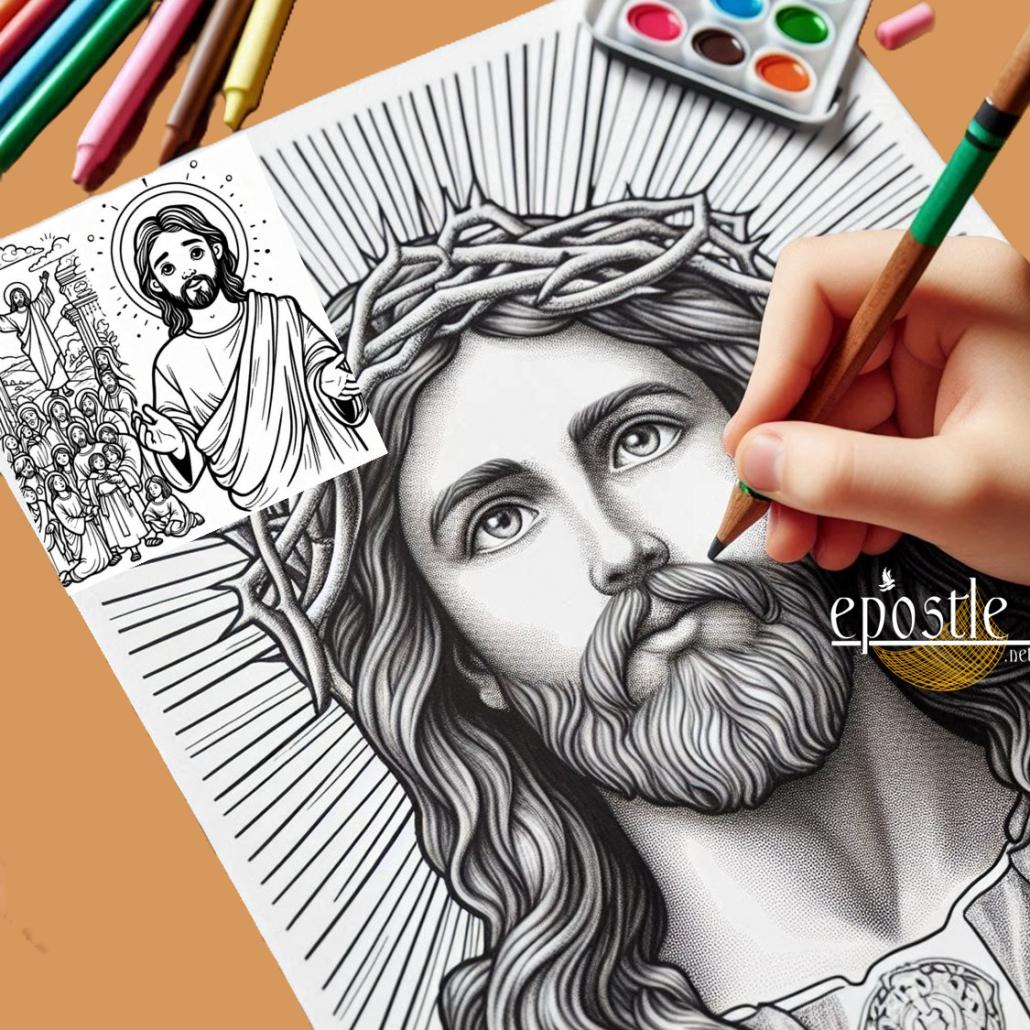
Սա այն պատմություններից է, որը հիանալի նյութ է ծառայում կիրակնօրյա դպրոցի աշակերտների համար՝ գունազարդման առաջադրանքների ժամանակ։ Տեսարանը տպավորիչ է, իսկ մատիտները օգնում են ընդգծել ջրի՝ կարմիր գինու վերածվելու պահը։ Որպես քահանա՝ ես հաճախ եմ հանդիպել մարդկանց, որոնք ինձ գինի են առաջարկել և, կարծելով, թե ինձ մեծ հանելուկ են բացահայտում, ծիծաղելով ասում են. «Խմե՛ք, չէ՞ որ Հիսուսը ջուրը գինու վերածեց»։ Նրանք դա այնպես են ասում, կարծես ես չէի օգտվի այդ հյուրասիրությունից, եթե Հիսուսը չկատարեր այդ փոքրիկ հրաշքը։ Եվ երբեմն էլ ակնարկով փորձում են հասկացնել, թե Հիսուսը հետաքրքրված էր ըմպելիքի հարբեցնող հատկություններով։
Սուրբ Պողոսը գրում է. «Երբ մանուկ էի, խոսում էի մանկան պես, մտածում էի մանկան պես, խորհում էի մանկան պես. իսկ երբ այր դարձա, մանկական բաները թողեցի» (Ա Կորնթացիս 13:11)։ Ցավոք, երբ խոսքը վերաբերում է կրոնին և հավատքի հարցերին, հաճախ Աստծո մասին մեր պատկերացումները գալիս են մանկության հուշերից՝ Հիսուսի այս հրապուրիչ և սենսացիոն հրաշքների մասին։ Կանայի հարսանիքին Հիսուսի մասնակցության պատմությունը Հայ Եկեղեցում ընթերցվում է Աստվածահայտնությունից հետո՝ մեր ուշադրությունը հրավիրելու Քրիստոսի մատուցած ընծայի վրա։ Հենց հարսանեկան խնջույքի տնտեսն է առաջինը նկատում, որ Հիսուսի մատուցած գինին ավելի լավն է, քան մատուցված ցանկացած այլ գինի։
Այսօր մեր կոչն է՝ ավելի խորը և հասուն ըմբռնումով մոտենալ մեր հավատքին։ Այս պատմությունը բազմաթիվ շերտեր ունի, որոնք խոսում են մեզ հետ, երբ մենք «հրաժարվում ենք մանկական սովորություններից»։ Իրականում, շատ պատմություններ շատ ավելին են տալիս, երբ մենք կարողանում ենք արտասովորը ընդունել որպես բնականոն։ Օրինակ, երբ Հիսուսը քայլում է ջրի վրայով, փոխանակ փնտրելու այն քարերը, որոնք կարող էին պահել Նրան, ընդունե՛ք, որ Նա է ջուրը ստեղծողը, ջրի Տերը։ Երբ մենք անում ենք դա, ապա հասկանում ենք, որ Նրա ասած խոսքերը Կյանքի Հեղինակից են։ «Սիրեցե՛ք ձեր մերձավորին», «Աղոթե՛ք ձեր թշնամիների համար», «Մի՛ դատեք, որպեսզի չդատվեք» խոսքերը ընկալվում են որպես Կյանքի Վերջնական Աղբյուրից եկող պատգամներ, որոնք ոչ միայն արժանի են մեր ուշադրությանը, այլև պահանջում են այն։ Արմոդոքսիան (Armodoxy) այն տեսակետն է, որ Արարիչն է խոսում, և երբ Նա ասում է. «Քաջալերվե՛ք, հաղթանակն իմն է, Ես հաղթեցի աշխարհին» (Հովհաննես 16:33), դա վերջնական է և աներկբա։
Աղոթենք. Տե՛ր մեր Աստված, Դուք Գալիլեայի Կանայում ջուրը գինու վերածեցիք, աղաչում եմ Ձեզ, իմ կյանքում կասկածը հավատի վերածեք։ Թույլ տվեք ինձ հաղորդակից լինել նոր գինու բարությանը և ընդունել Ձեր սերը, որպեսզի այն միշտ առաջնորդի և ուղղորդի ինձ։ Ամեն։
17i23/16i24

 2009 Տեր Վազգեն Մովսեսյան


 2026 Առաքյալ
 2025 Տեր Վազգեն
Թողնել պատասխան
Ցանկանո՞ւմ եք միանալ քննարկմանը։Ազատորեն կիսվեք Ձեր մտքերով։