For years, part of my office decor has been a framed copy of the Declaration of Independence. This is the document that was signed on this day, the fourth of July in 1776, by a group of men who were expressing their dream of freedom and independence. They proclaimed that there were “self-evident” truths, “that all men are created equal, that they are endowed by their Creator with certain unalienable Rights, that among these are Life, Liberty and the pursuit of Happiness.” And with these words the experiment in democracy, the United States of America, was born.
I find these thoughtful and beautifully crafted words to be sacred, because they express the inner dreams of humankind. In the Declaration of Independence can be heard the cries of the human soul for rights and equalities. Certainly, true religion has and always must advocate for those rights.
Join me this week as we take an Armodoxy dive into freedom and independence, in one minute for summertime.
Scripture recounts that the religious elite of the first century was constantly trying to trap Jesus into contradicting himself. Their traps were of no avail, Jesus’ responses to their questions were always precise and left them (and today, us) with new thoughts to ponder. Such was the case in this moment recorded in the Gospel of Mark (chapter 12).
They approached Jesus, but this time they buttered him up first with words of flattery. “Teacher, we know that you are a man of integrity. You aren’t swayed by others, because you pay no attention to who they are; but you teach the way of God in accordance with the truth.” This was probably Jesus’ first tip-off that a stinger was to follow. They asked, “Is it right to pay the imperial tax to Caesar or not? Should we pay or shouldn’t we?”
Mark writes, “Jesus knew their hypocrisy. ‘Why are you trying to trap me?’ he asked. ‘Bring me a denarius and let me look at it.’ They brought the coin, and he asked them, “Whose image is this? And whose inscription?”
“Caesar’s,” they replied. Then Jesus said to them, “Give back to Caesar what is Caesar’s and to God what is God’s.” And they were amazed at him.
With this one statement, Jesus has continued to amaze generations until today. Render unto Ceasar what is Ceasar’s and what is God’s to God, is the phrases that is the foundation for concepts such as the separation of Church and State.
It is too easy to quote Jesus with this single line and claim that as Church, or people of Faith, we need to distance ourselves from politics. But as the history of Armodoxy demonstrates, everything is interconnected and certainly did not make this statement to distance himself from the reality of daily life.
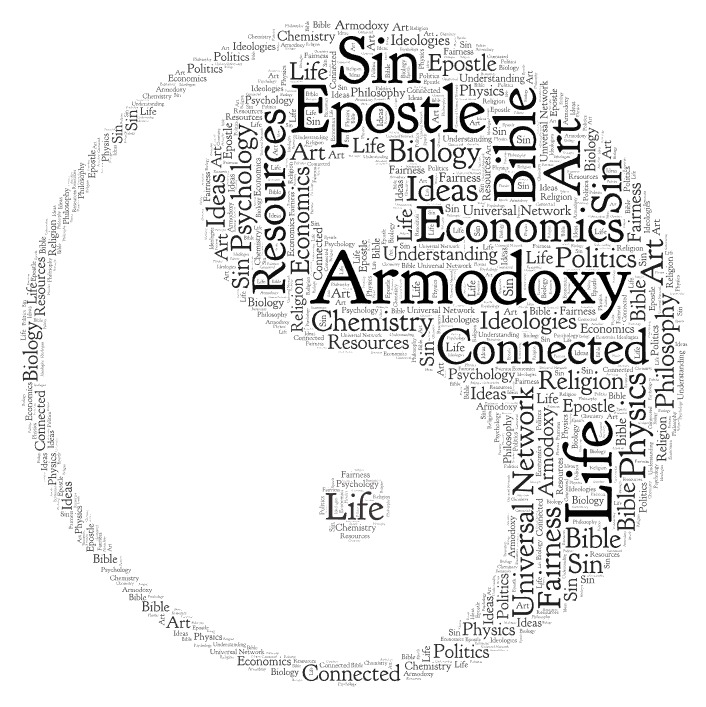
All things are connected to one another in a universal network of life. Economics gives us the resources to buy the Bible, which defines sin, which psychology attempts to diminish. Physics explains the movement of the building blocks which chemistry and biology exploit into physical realities, art presents in forms that express ideas that form ideologies that philosophy dissects and analyses. Politics creates systems that organize those ideologies, and religion is there to ensure the equity of distribution, claiming to have a connection to a higher understanding of fairness.
Yes, everything is connected. It is too easy to pretend that reality is void of spirituality or that religious entities do not have concerns for their community and world. Separation of Church and State does not mean that clergy should not and cannot comment on political realities. Quite the contrary, they are the ones who might align those realities to higher understandings of selfhood and responsibility.
It was not easy for Jesus to make this statement. Tomorrow we continue, today we pray, O Breath of All that Lives, You who move in the pulse of galaxies and in the quiet rhythm of a single human heart, open my eyes to the sacred thread that binds all creation. Amen.
https://epostle.net/wp-content/uploads/2025/09/all-connected-e1758160133399.jpg1125908Վազգեն Մովսեսյանhttps://epostle.net/wp-content/uploads/2022/07/final_logo_large_for_epostle_web-300x189.pngՎազգեն Մովսեսյան2026-04-20 00:10:182026-04-19 23:10:52Դա չափազանց հեշտ է
Հիսուսի առաջին հրաշքը գրված է Սուրբ Հովհաննեսի Ավետարանում. «Երրորդ օրը Գալիլեայի Կանա քաղաքում հարսանիք կար, և Հիսուսի մայրը այնտեղ էր: Հիսուսն ու իր աշակերտները նույնպես հրավիրված էին հարսանիքին: Երբ գինին վերջացավ, Հիսուսի մայրը ասաց նրան. «Գինի չունեն»։ Հիսուսը պատասխանեց նրան. «Ի՞նչ կա ինձ ու քեզ հետ, կին, դեռ իմ ժամը չի հասել»։ Նրա մայրը սպասավորներին ասաց. «Ինչ որ ձեզ ասի, արե՛ք»։ Այնտեղ հրեական սովորության համաձայն՝ մաքրագործման համար դրված էին վեց քարե կարասներ, որոնցից յուրաքանչյուրը տեղավորում էր քսան կամ երեսուն գալոն: Հիսուսը նրանց ասաց. «Կարասները ջրով լցրե՛ք»։ Եվ նրանք լցրեցին մինչև եզրերը: Նա ասաց նրանց. «Հիմա քաղե՛ք և տարե՛ք սեղանապետին»։ Նրանք տարան: Երբ սեղանապետը համտեսեց ջուրը, որը գինի էր դարձել, և չգիտեր, թե որտեղից է այն (թեև սպասավորները, որոնք քաղել էին ջուրը, գիտեին), սեղանապետը կանչեց փեսային և ասաց նրան. «Ամեն մարդ սկզբում լավ գինին է մատուցում, իսկ երբ հյուրերը հարբում են, նոր՝ ավելի վատը: Իսկ դու լավ գինին պահել ես մինչև հիմա»։ Հիսուս սա կատարեց որպես իր նշաններից առաջինը Գալիլեայի Կանայում և հայտնեց իր փառքը, և նրա աշակերտները հավատացին նրան: (2:1-11)
Սա այն պատմություններից է, որը հիանալի նյութ է ծառայում կիրակնօրյա դպրոցի աշակերտների համար՝ գունազարդման առաջադրանքների ժամանակ։ Տեսարանը տպավորիչ է, իսկ մատիտները օգնում են ընդգծել ջրի՝ կարմիր գինու վերածվելու պահը։ Որպես քահանա՝ ես հաճախ եմ հանդիպել մարդկանց, որոնք ինձ գինի են առաջարկել և, կարծելով, թե ինձ մեծ հանելուկ են բացահայտում, ծիծաղելով ասում են. «Խմե՛ք, չէ՞ որ Հիսուսը ջուրը գինու վերածեց»։ Նրանք դա այնպես են ասում, կարծես ես չէի օգտվի այդ հյուրասիրությունից, եթե Հիսուսը չկատարեր այդ փոքրիկ հրաշքը։ Եվ երբեմն էլ ակնարկով փորձում են հասկացնել, թե Հիսուսը հետաքրքրված էր ըմպելիքի հարբեցնող հատկություններով։
St. Paul writes, When I was a child, I spoke like a child, I thought like a child, I reasoned like a child; when I became an adult, I put an end to childish ways. (I Corinthians 13:11) Unfortunately, when it comes to religion and issues of faith, often our understanding of God comes from childhood memories of these fascinating and sensationalized miracles of Jesus. The story of Jesus at the wedding in Cana is read in the Armenian Church following the Theophany to bring our attention to the offering made by Christ. It is the steward at the wedding feast who notices first that the wine that Jesus offers is better than any other wine that was served.
Today our call is to take a deeper and more mature understanding of our faith. There are many dimensions to this story that speak to us once we “Put away childish ways.” In fact, many stories have so much more to offer when we can accept the sensational as normal. For instance, when Jesus walks on the water, rather than searching for the stones that might be supporting him, accept that this is the One who created the water, who is lord of the water. Once we do this, then we understand the words that he speaks are from the Author of Life. The words, “Love your neighbor,” “Pray for your enemies,” “Judge not, lest you be judged,” are understood as coming from the Ultimate Source of Life, not only worthy of our attention, but demanding our attention. Armodoxy is the view that the Creator is speaking, and so when He says, “Courage, the victory is mine, I have overcome the world” (John 16:33), it is final and definite.
Let us pray, Lord our God, You changed the water into wine in Cana of Galilee, I pray You, change the doubt to faith in my life. Let me partake of the goodness of the new wine, and accept Your love, to guide and direct me, always. Amen.
Եթե ցանկանում եք խաղաղություն պահպանել ընտանիքում կամ ընկերների շրջանում, ապա վաղ տարիքից ձեզ սովորեցրել են խուսափել քաղաքականության և կրոնի մասին քննարկումներից: Նույնիսկ «Peanuts»-ի հերոս Լինուս Վան Պելտը՝ իր անբաժան ծածկոցը ձեռքին, գիտի. «Ես սովորել եմ, որ երբեք չպետք է մարդկանց հետ քննարկել երեք բան՝ կրոնը, քաղաքականությունը և Մեծ դդումը»:
It’s all connected
18-րդ դարի երգիծաբան Ջոնաթան Սվիֆթն էր, որ մատնանշեց այս անհամատեղելի խառնուրդի պատճառը, երբ գրեց. «Դուք չեք կարող բանականությամբ մարդուն դուրս բերել մի բանից, որի մեջ նա չի մտել բանականության միջոցով»: Այո՛, մեծ մասամբ մենք «ծնվում ենք» մեր համոզմունքների մեջ՝ լինեն դրանք կրոնական թե քաղաքական, և դրանք ժառանգում ենք մեր ընտանիքից ու ընկերներից:
Սակայն «Արմոդոքսիում» (Armodoxy) մեր հիմնարար ըմբռնումն այն է, որ ամեն ինչ կապված է կյանքի համընդհանուր ցանցով: Տնտեսագիտությունը մեզ տալիս է Աստվածաշունչ գնելու միջոցներ, որը սահմանում է մեղքը, իսկ հոգեբանությունը փորձում է նվազեցնել այն: Ֆիզիկան բացատրում է այն շինանյութերի շարժը, որոնք քիմիան և կենսաբանությունը վերածում են ֆիզիկական իրողությունների, իսկ արվեստը դրանք ներկայացնում է այնպիսի ձևերով, որոնք արտահայտում են գաղափարներ, որոնք էլ ձևավորում են գաղափարախոսություններ, որոնք փիլիսոփայությունը վերլուծում և քննում է: Քաղաքականությունը ստեղծում է համակարգեր, որոնք կազմակերպում են այդ գաղափարախոսությունները, իսկ կրոնը կոչված է ապահովելու բաշխման արդարությունը՝ հավակնելով կապ ունենալ արդարության ավելի բարձր ըմբռնման հետ:
Մենք խնդիրների ենք բախվում, երբ պնդում ենք, թե բաշխման մեկ համակարգը մյուսից լավն է: Հին հնդկական մի ասացվածք ասում է. «Լեռը տանող հարյուրավոր ուղիներ կան, և բոլորն էլ տանում են նույն տեղը, ուստի կարևոր չէ, թե որ ուղին եք ընտրում: Միակ մարդը, որ ժամանակ է վատնում, նա է, ով վազում է լեռան շուրջը և բոլորին համոզում, որ նրանց ընտրած ուղին սխալ է»:
Jesus avoids the discussion by turning the responsibility onto the individual. Equity is achieved by sacrifice – by giving of yourself. He teaches this, and then demonstrates with his own life. There is no argument here, for when we give, the giving is between us and God. We do not give to prove a system better than another, nor do we give to the justify the system. We give, because it is the expression of love, which is the expression of God. It is not up for discussion nor debate. If you want to practice Christianity, then love, then sacrifice yourself. Plainly, religion is not to be debated but is to be lived.
The Armenian Church saint, Hovhaness Voskeberan (= St. John Chrysostom) 4th century writes, “If you cannot find Christ in the beggar at the church door, you will not find Him in the chalice.”
Մենք ավարտում ենք Նրա աղոթքներից մեկով. «Ամենակարող Աստված, Դու Քո Որդու միջոցով խոստացել ես, որ երբ երկու կամ երեք հոգի հավաքվեն Նրա անունով, Դու կլինես նրանց մեջ. Կատարիր այժմ, Տե՛ր, մեր ցանկություններն ու խնդրանքները այնպես, ինչպես լավագույնն է մեզ համար. պարգևիր մեզ այս աշխարհում Քո ճշմարտության գիտությունը, իսկ գալիք աշխարհում՝ հավիտենական կյանք: Ամեն»:
https://epostle.net/wp-content/uploads/2025/10/Armodoxy-The-Universal-Network-of-Life-4.jpeg880567Վազգեն Մովսեսյանhttps://epostle.net/wp-content/uploads/2022/07/final_logo_large_for_epostle_web-300x189.pngՎազգեն Մովսեսյան2025-10-24 00:01:152025-10-24 01:07:49Քաղաքականություն, կրոններ և կապեր
The theory of evolution is often thought of as anathema to people of faith, and vice versa. Evolution appeals to science, to facts and experience to explain process, while religion is based on belief systems that do not necessarily have to pass tests or experimentation.
Armodoxy has no problem melding science and religion together because it points to the moment of awe that is at the intersection of both. The awe that inspires man to look up at the stars, or to the depths of the oceans, to ask, what? where? and why? These questions are the same ones that move a mother and father to tears at the first sight of the miracle of life in a birthing room. They are the same questions that moved the pen of thinkers, philosophers and theologians who saw the futility of war in solving disagreement and wrote about peace. And ultimately, they are the same questions that arose when looking at the Love that Christ brought in his example and his rejection by humanity. What? Where? Why? Both science and religion attempt to answer these questions and the others that are tethered to them.
Awe is what moves men to think, ponder, reflect, discuss, build and create. Evolution is the descriptor of that movement. Everything that is living evolves. And that which is dead, decays. Living or dead, the physical changes – evolves or decays. The spirit breathes on. The list of scientists and theologians intersect where the human mind is not intimidated by the awe of life. Life is awesome, and life is awful, that is full of moments of awe.
Albert Einstein reflects “The most beautiful thing we can experience is the mysterious. It is the source of all true art and science. He to whom the emotion is a stranger, who can no longer pause to wonder and stand wrapped in awe, is as good as dead —his eyes are closed. The insight into the mystery of life, coupled though it be with fear, has also given rise to religion. To know what is impenetrable to us really exists, manifesting itself as the highest wisdom and the most radiant beauty, which our dull faculties can comprehend only in their most primitive forms—this knowledge, this feeling is at the center of true religiousness.”
We end today with a simple prayer of acknowledgement by the mystic of the Armenian Church, a man who only recently (2015) was named a Doctor of the Roman Catholic Church, St. Gregory of Narek.
Lord, my Lord, grantor of gifts, root of goodness, ruler of all equally, creator of all from nothing, glorified, awesome, awe inspiring, beyond understanding… through you, O merciful Lord, all things, in all ways, for all people, are possible. To you glory here, now and forever and in the eternity to come on the great day of revelation. Amen.
https://epostle.net/wp-content/uploads/2025/10/Awe-Inspiring-e1761109134181.jpg1116746Վազգեն Մովսեսյանhttps://epostle.net/wp-content/uploads/2022/07/final_logo_large_for_epostle_web-300x189.pngՎազգեն Մովսեսյան2025-10-22 00:01:102025-10-22 17:12:36Գիտության և կրոնի հատումը ակնածանքի մեջ
Վաղնջական ժամանակներից, մարդկության ամենահին պատմությունից ի վեր և նույնիսկ դրանից առաջ, մարդիկ հայացքները հառել են դեպի երկինք՝ հիացմունքով լցվելով դրա անծայրածիրության և գեղեցկության հանդեպ։ Այն ոգեշնչման աղբյուր է եղել բանաստեղծությունների, երգերի և աղոթքների համար։ Շատերի համար այն ազդարարել է Արարչի՝ Առաջնաշարժի կամ, պարզապես, Աստծո գոյությունը։
Այսօր մենք գիտենք, որ գիշերային երկնքում մի փոքրիկ կետ, որը մենք կարող էինք աստղ անվանել, իրականում կարող է լինել հսկայական գալակտիկա, հսկա աստղ կամ նույնիսկ սև խոռոչ, որի մեջ աստղերի մեծ կուտակումներ կարող են անհետացած լինել։ Հայացքը դեպի երկինք՝ անվերջ աստղերին և երկնային մարմինների շարժումներին, ստիպում է մեզ զարմանալ և խորհել մեր գոյության մասին։ Կյանքի հիմնարար հարցերը ծնվում են հենց մեր հիացմունքից. Որտեղի՞ց ենք մենք եկել։ Ինչո՞ւ ենք մենք այստեղ։ Ո՞րն է մեր նպատակը։ Ո՞ւր ենք գնում։
Հայ եկեղեցու սուրբ գրքերից մեկը Սիրաքի իմաստության գիրքն է։ Այն ընթերցվում է որպես երկնքի հրաշքների վկայություն և որպես աղոթք։ Ես ներկայացնում եմ այս ընթերցումը, որտեղ հեղինակը նկարագրում է երկինքը
Այժմ կհիշեմ Տիրոջ գործերը, և կպատմեմ այն, ինչ տեսել եմ։ Տիրոջ խոսքով են ստեղծվել Նրա գործերը, և բոլոր արարածները կատարում են Նրա կամքը։ Արեգակը լույսով նայում է ամեն ինչի վրա, և Տիրոջ գործը լի է Նրա փառքով։
Բարձրյալի զարդը երկնքի պարզ կամարն է, փառահեղ՝ ինչպես երկնային տեսարանը։ Արեգակը, երբ հայտնվում է, իր ծագումով հռչակում է, թե ինչ հրաշալի գործիք է այն՝ Բարձրյալի ստեղծագործությունը։ Կեսօրին այն չորացնում է երկիրը, և ո՞վ կարող է դիմանալ նրա այրող տապին։
Աստղերի փառքը երկնքի գեղեցկությունն է, փայլուն զարդ՝ Տիրոջ բարձունքներում։
Սրբի հրամանով նրանք կանգնած են իրենց նշանակված տեղերում և երբեք չեն հոգնում իրենց պահակությունից։ Մենք կարող ենք ավելին ասել, բայց երբեք բավարար չի լինի. թող վերջին խոսքը լինի՝ «Նա է ամեն ինչ»։ Որտեղի՞ց գտնենք ուժ՝ Նրան գովերգելու համար, քանզի Նա ավելի մեծ է, քան իր բոլոր գործերը։ Ահեղ է Տերը և մեծապես փառավոր, և հրաշալի է Նրա զորությունը։ Փառավորե՛ք Տիրոջը և բարձրացրե՛ք Նրան որքան կարող եք, քանզի Նա վեր է նույնիսկ դրանից։ Երբ բարձրացնում եք Նրան, հավաքե՛ք ձեր ողջ ուժը և մի՛ հոգնեք, քանզի երբեք չեք կարող բավարար չափով գովերգել Նրան։ (Սիրաք 42-43)
Եթե ցանկանում եք խաղաղություն պահպանել ընտանիքում կամ ընկերների շրջանում, ապա վաղ տարիքից ձեզ սովորեցրել են խուսափել քաղաքականության և կրոնի մասին քննարկումներից: Նույնիսկ «Peanuts»-ի հերոս Լինուս Վան Պելտը՝ իր անբաժան ծածկոցը ձեռքին, գիտի. «Ես սովորել եմ, որ երբեք չպետք է մարդկանց հետ քննարկել երեք բան՝ կրոնը, քաղաքականությունը և Մեծ դդումը»:
18-րդ դարի երգիծաբան Ջոնաթան Սվիֆթն էր, որ մատնանշեց այս անհամատեղելի խառնուրդի պատճառը, երբ գրեց. «Դուք չեք կարող բանականությամբ մարդուն դուրս բերել մի բանից, որի մեջ նա չի մտել բանականության միջոցով»: Այո՛, մեծ մասամբ մենք «ծնվում ենք» մեր համոզմունքների մեջ՝ լինեն դրանք կրոնական թե քաղաքական, և դրանք ժառանգում ենք մեր ընտանիքից ու ընկերներից:
Սակայն «Արմոդոքսիում» (Armodoxy) մեր հիմնարար ըմբռնումն այն է, որ ամեն ինչ կապված է կյանքի համընդհանուր ցանցով: Տնտեսագիտությունը մեզ տալիս է Աստվածաշունչ գնելու միջոցներ, որը սահմանում է մեղքը, իսկ հոգեբանությունը փորձում է նվազեցնել այն: Ֆիզիկան բացատրում է այն շինանյութերի շարժը, որոնք քիմիան և կենսաբանությունը վերածում են ֆիզիկական իրողությունների, իսկ արվեստը դրանք ներկայացնում է այնպիսի ձևերով, որոնք արտահայտում են գաղափարներ, որոնք էլ ձևավորում են գաղափարախոսություններ, որոնք փիլիսոփայությունը վերլուծում և քննում է: Քաղաքականությունը ստեղծում է համակարգեր, որոնք կազմակերպում են այդ գաղափարախոսությունները, իսկ կրոնը կոչված է ապահովելու բաշխման արդարությունը՝ հավակնելով կապ ունենալ արդարության ավելի բարձր ըմբռնման հետ:
Մենք խնդիրների ենք բախվում, երբ պնդում ենք, թե բաշխման մեկ համակարգը մյուսից լավն է: Հին հնդկական մի ասացվածք ասում է. «Լեռը տանող հարյուրավոր ուղիներ կան, և բոլորն էլ տանում են նույն տեղը, ուստի կարևոր չէ, թե որ ուղին եք ընտրում: Միակ մարդը, որ ժամանակ է վատնում, նա է, ով վազում է լեռան շուրջը և բոլորին համոզում, որ նրանց ընտրած ուղին սխալ է»:
Հիսուսը խուսափում է այդ քննարկումից՝ պատասխանատվությունը դնելով անհատի վրա: Արդարությունը ձեռք է բերվում զոհաբերությամբ՝ ինքներդ ձեզ տալով: Նա սովորեցնում է սա, ապա ցույց տալիս իր իսկ կյանքով: Այստեղ վիճելու բան չկա, քանի որ երբ մենք տալիս ենք, դա մեր և Աստծո միջև է: Մենք չենք տալիս՝ ապացուցելու համար, որ մի համակարգը մյուսից լավն է, ոչ էլ տալիս ենք համակարգը արդարացնելու համար: Մենք տալիս ենք, որովհետև դա սիրո արտահայտությունն է, որն էլ Աստծո արտահայտությունն է: Սա քննարկման կամ բանավեճի ենթակա չէ: Եթե ցանկանում եք դավանել քրիստոնեությունը, ապա սիրեք և զոհաբերեք ինքներդ ձեզ: Պարզ է, որ կրոնը ոչ թե պետք է բանավիճել, այլ ապրել:
Հայ եկեղեցու սուրբ Հովհան Ոսկեբերանը (4-րդ դար) գրում է. «Եթե դու չես կարողանում Քրիստոսին գտնել եկեղեցու դռան մոտ նստած մուրացկանի մեջ, ապա Նրան չես գտնի նաև սուրբ հաղորդության բաժակի մեջ»:
Մենք ավարտում ենք Նրա աղոթքներից մեկով. «Ամենակարող Աստված, Դու Քո Որդու միջոցով խոստացել ես, որ երբ երկու կամ երեք հոգի հավաքվեն Նրա անունով, Դու կլինես նրանց մեջ. Կատարիր այժմ, Տե՛ր, մեր ցանկություններն ու խնդրանքները այնպես, ինչպես լավագույնն է մեզ համար. պարգևիր մեզ այս աշխարհում Քո ճշմարտության գիտությունը, իսկ գալիք աշխարհում՝ հավիտենական կյանք: Ամեն»:
https://epostle.net/wp-content/uploads/2025/09/all-connected-e1758160133399.jpg1125908Վազգեն Մովսեսյանhttps://epostle.net/wp-content/uploads/2022/07/final_logo_large_for_epostle_web-300x189.pngՎազգեն Մովսեսյան2025-09-18 00:01:102025-09-17 18:49:27Ամեն ինչ կապված է
Armodoxy for Today: Religious Scams & the Weakest Link
We have all become familiar – too familiar — with this word, scam. We have heard of Internet scams, financial scams, email and telephone scams, and try to exercise some degree of caution against them. Banks, financial institutions, even health care foundations issue warning about the threat of being scammed. But when it comes to religious scams, we are certain that it could never happen to us. After all, we think, I’m a Christian, born and raised a Christian, and I know what I believe to be true. In that statement we find the weakest link in what protects us from religious scams.
Այս օրերին ամեն ոք իրեն իրավունք է վերապահում հանդես գալ որպես Քրիստոսի, քրիստոնեական հավատքի և քրիստոնեության վերաբերյալ բոլոր հարցերի գիտակ։ Բավական է սոցիալական ցանցերում բարձրաձայն մեջբերել Աստվածաշնչի մի քանի համար, և յուրաքանչյուր ոք կարող է հարթակի շնորհիվ որոշակի հեղինակությամբ հանդես գալ։ Կեղծ լուրերը պիտակավորվում են, սակայն կրոնի, հատկապես՝ քրիստոնեության դեպքում, ամեն ինչ թույլատրելի է։ Պատերազմների և դրանց մասին խոսակցությունների սրման հետ մեկտեղ՝ ասպարեզը բաց է աշխարհի վերջի մասին կանխատեսումների համար, որոնք կապված են Արմագեդոն կոչվող ճակատամարտի հետ։
Քանի որ կրոնը անձնական հարց է, մարդիկ իրականում չեն հետաքրքրվում դրա նախապատմությամբ։ Օրինակ՝ Հայ եկեղեցին, լինելով Առաքելական, այսինքն՝ առաքյալների ժամանակներից եկող, յուրահատուկ տեղ ունի քրիստոնեական աշխարհում և հեղինակությամբ է խոսում քրիստոնեական հասկացությունների ու դոգմաների մասին։ Այնուամենայնիվ, մարդկանց համար ավելի հեշտ է հավատալ այն ամենին, ինչին ցանկանում են, որքան էլ դա տարօրինակ թվա, քան ինքնակրթվելը։
So, in the interest of passing along some information which you may not know, here are a few things to keep in mind as you read through the scary predictions which are being made in the name of Christ and Christianity.
1 The Old Testament is not salvific. Jesus Christ is the fulfilment of the law and the prophets.
2 Jesus is the Son of God and therefore His ethnicity transcends our understanding of ethnicity. He belongs equally to everyone and to all ethnic groups.
3 The word Israel means the “people of God.” After baptism in the Armenian Church, we proclaim the person a member of the “New Israel” which is not to say they belong to the Jewish state in the Middle East.
4 Jesus will return. His return is imminent, but it has been imminent since the 1st century. For this reason, Jesus says, “About that day or hour no one knows, not even the angels in heaven, nor the Son, but only the Father.” (Matthew 24:36)
5 The location of Jesus’ return is not disclosed. It’s his business. He asks us to love and care, not to predict places. Despite what you have read or heard, if Jesus decides he wants to come back in Puerto Rico or in Armenia, you can site all the pages in the Bible and all the preachers that you’ve heard, he doesn’t have to go by those rules. Again, He asks us to love and care, not to predict places.
6 Anyone who predicts Jesus’ return on a specific date or place is running a scam.
7 The Book of Revelation was written by St. John, one of the 12 disciples. He was imprisoned on an island writing to the Christian’s of the time. He wrote in a code that they, the people of the time, would understand. The message is simply: endure the sufferings and persecution, God’s victory is guaranteed in the end.
8 Who goes to Heaven is God’s business. Ours is to love and care for one another and leave the rest to God. Our prayer – your prayer – should be: Lord have mercy.
These are just a few items I wanted to share with you considering all the scary religious misinformation that’s being pumped out in the name of Christianity. There’s much more and that’s why we created Epostle and hope you follow the ancient teachings.
Աղոթե՛ք այն աղոթքը, որը սովորեցրեց մեզ մեր Տեր Հիսուսը. Հայր մեր, որ երկինս ես, սուրբ եղիցի անուն քո. եկեսցե արքայություն քո. եղիցին կամք քո որպես երկինս և երկրի. զհաց մեր հանապազորդ տուր մեզ այսօր. և թող մեզ զպարտիս մեր, որպես և մեք թողումք մերոց պարտապանաց. և մի տանիր զմեզ ի փորձություն, այլ փրկեա՛ զմեզ ի չարէ։ Զի քո է արքայություն և զորություն և փառք հավիտյանս. Ամեն։
Pope Leo XIV offered his first blessing and prayer as the head of the Roman Catholic Church, to thousands assembled at St. Peter’s Square at the Vatican yesterday, as millions more throughout the world watched and received the blessing virtually. Indeed, it was an emotional moment for the Pontiff as he transitioned from Cardinal Robert Prevost to head the 1.3 billion member Roman Catholic Church. Even from a distance, watching on screens and phones in different parts of the world, Catholics, believers, and even non-believers were visibly moved as many understood the gravity of the event.
Interesting to me was how quickly and readily the term “American” was volleyed around in the media, conveniently forgetting that the previous pope, Francis, of blessed memory, also came from the Americas. But, homeland is a major factor in defining and giving identity to an individual. Think of some of the first-day discussion that consumed news outlets when they discovered Pope Leo was from the City of Chicago: Was he a Cubs’ fan or a White Sox fan? Perhaps, excitement for geographic identity provides a good explanation as to why churches, which are united in their belief in Jesus Christ as the Son of God, are separated along ethnic and national lines, whether we’re talking about the Armenian Church, the Roman Catholic Church, or the Greek, Bulgarian, Georgian, Russian Orthodox, and even the American congregations of Presbyterian and Methodists. There is of course the AME, the African Methodist Church and of course, the Church of England. Often, the Christ, the center of Christianity, is lost in some of the traditions that align us with national preservation. Bishop Daniel Findikyan, of Holy Etchmiadzin, talks extensively about this in his book, Building up the Body of Christ. And musician John Lennon, as a dreamer points to the grave dangers of the consequence of national pride, when he asks us to “Imagine there’s no countries, it isn’t hard to do. Nothing to kill or die for and no religion too. Imagine all the people living life in peace…”
With that in mind, we turn to the first words of Pope Leo XIV, in his message. “Peace be with all of you! Dearest brothers and sisters, this is the first greeting of the Risen Christ, the good shepherd who gave his life for God’s flock. I too would like this greeting of peace to enter your heart, to reach your families, to all people, wherever they are, to all peoples, to the whole earth. Peace be with you! “
To his prayer, tonight, we add most appropriately, Amen.
https://epostle.net/wp-content/uploads/2025/05/Globe-with-Flags-698.jpg11251125Վազգեն Մովսեսյանhttps://epostle.net/wp-content/uploads/2022/07/final_logo_large_for_epostle_web-300x189.pngՎազգեն Մովսեսյան2025-05-09 00:01:022025-05-08 22:54:29Նրանին պարզ աղոթք ավելացնելը
Armodoxy for Today: Religious Scams & the Weakest Link
We have all become familiar – too familiar — with this word, scam. We have heard of Internet scams, financial scams, email and telephone scams, and try to exercise some degree of caution against them. Banks, financial institutions, even health care foundations issue warning about the threat of being scammed. But when it comes to religious scams, we are certain that it could never happen to us. After all, we think, I’m a Christian, born and raised a Christian, and I know what I believe to be true. In that statement we find the weakest link in what protects us from religious scams.
Այս օրերին ամեն ոք իրեն իրավունք է վերապահում հանդես գալ որպես Քրիստոսի, քրիստոնեական հավատքի և քրիստոնեության վերաբերյալ բոլոր հարցերի գիտակ։ Բավական է սոցիալական ցանցերում բարձրաձայն մեջբերել Աստվածաշնչի մի քանի համար, և յուրաքանչյուր ոք կարող է հարթակի շնորհիվ որոշակի հեղինակությամբ հանդես գալ։ Կեղծ լուրերը պիտակավորվում են, սակայն կրոնի, հատկապես՝ քրիստոնեության դեպքում, ամեն ինչ թույլատրելի է։ Պատերազմների և դրանց մասին խոսակցությունների սրման հետ մեկտեղ՝ ասպարեզը բաց է աշխարհի վերջի մասին կանխատեսումների համար, որոնք կապված են Արմագեդոն կոչվող ճակատամարտի հետ։
Քանի որ կրոնը անձնական հարց է, մարդիկ իրականում չեն հետաքրքրվում դրա նախապատմությամբ։ Օրինակ՝ Հայ եկեղեցին, լինելով Առաքելական, այսինքն՝ առաքյալների ժամանակներից եկող, յուրահատուկ տեղ ունի քրիստոնեական աշխարհում և հեղինակությամբ է խոսում քրիստոնեական հասկացությունների ու դոգմաների մասին։ Այնուամենայնիվ, մարդկանց համար ավելի հեշտ է հավատալ այն ամենին, ինչին ցանկանում են, որքան էլ դա տարօրինակ թվա, քան ինքնակրթվելը։
So, in the interest of passing along some information which you may not know, here are a few things to keep in mind as you read through the scary predictions which are being made in the name of Christ and Christianity.
1 The Old Testament is not salvific. Jesus Christ is the fulfilment of the law and the prophets.
2 Jesus is the Son of God and therefore His ethnicity transcends our understanding of ethnicity. He belongs equally to everyone and to all ethnic groups.
3 The word Israel means the “people of God.” After baptism in the Armenian Church, we proclaim the person a member of the “New Israel” which is not to say they belong to the Jewish state in the Middle East.
4 Jesus will return. His return is imminent, but it has been imminent since the 1st century. For this reason, Jesus says, “About that day or hour no one knows, not even the angels in heaven, nor the Son, but only the Father.” (Matthew 24:36)
5 The location of Jesus’ return is not disclosed. It’s his business. He asks us to love and care, not to predict places. Despite what you have read or heard, if Jesus decides he wants to come back in Puerto Rico or in Armenia, you can site all the pages in the Bible and all the preachers that you’ve heard, he doesn’t have to go by those rules. Again, He asks us to love and care, not to predict places.
6 Anyone who predicts Jesus’ return on a specific date or place is running a scam.
7 The Book of Revelation was written by St. John, one of the 12 disciples. He was imprisoned on an island writing to the Christian’s of the time. He wrote in a code that they, the people of the time, would understand. The message is simply: endure the sufferings and persecution, God’s victory is guaranteed in the end.
8 Who goes to Heaven is God’s business. Ours is to love and care for one another and leave the rest to God. Our prayer – your prayer – should be: Lord have mercy.
These are just a few items I wanted to share with you considering all the scary religious misinformation that’s being pumped out in the name of Christianity. There’s much more and that’s why we created Epostle and hope you follow the ancient teachings.
Աղոթե՛ք այն աղոթքը, որը սովորեցրեց մեզ մեր Տեր Հիսուսը. Հայր մեր, որ երկինս ես, սուրբ եղիցի անուն քո. եկեսցե արքայություն քո. եղիցին կամք քո որպես երկինս և երկրի. զհաց մեր հանապազորդ տուր մեզ այսօր. և թող մեզ զպարտիս մեր, որպես և մեք թողումք մերոց պարտապանաց. և մի տանիր զմեզ ի փորձություն, այլ փրկեա՛ զմեզ ի չարէ։ Զի քո է արքայություն և զորություն և փառք հավիտյանս. Ամեն։
https://epostle.net/wp-content/uploads/2025/02/Weakest-Link-631.jpg11251125Վազգեն Մովսեսյանhttps://epostle.net/wp-content/uploads/2022/07/final_logo_large_for_epostle_web-300x189.pngՎազգեն Մովսեսյան2025-02-21 11:35:372025-02-21 23:34:44Կրոնական խարդախություններ և ամենաթույլ օղակը