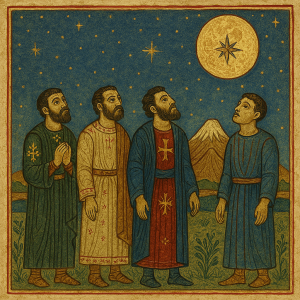
Ափը միշտ ավելի անվտանգ է, քան այն ջրերը, որոնք նավը տանում են հորիզոնից այն կողմ, եթե, իհարկե, ափը ենթակա չէ էրոզիայի, մակընթացության կամ պատերազմի մեջ գտնվող մարդկանց վեճերի։ Անշուշտ, մեր կայացրած յուրաքանչյուր որոշման հետ կապված կան թե՛ անվտանգ և թե՛ վտանգավոր պայմաններ։
The Christian is called to a life of productivity, using his or her talents to the best of his or her abilities. This direction forward can be stifled by fears instigated by past experiences. Theologian and philosopher Søren Kierkegaard writes, “Life must be understood backward. But it must be lived forward.”
The gentle balance between learning from the past, and living for the day is Jesus’ message, “Do not worry about tomorrow, for tomorrow will worry about its own things. Sufficient for the day is its own trouble.” (Matthew 6:34) Today’s one minute in Summertime.
—
Մենք աղոթում ենք Հայոց ժամագրքի առավոտյան աղոթքով. «Գոհանամք զՔէն, Տէր Աստուած մեր, որ արժանացուցեր զմեզ ի խաղաղութեան զգիշերս անցուցանել. եւ յարուցեալ՝ արժանացո զմեզ երկրպագելոյ զահաւոր եւ զփառաւորեալ զսուրբ զանուն Քո։ Շնորհեա մեզ զմնացեալ աւուրս յայսմիկ ի խաղաղութեան անցուցանել. սրբութեամբ վարելով զկեանս մեր յաշխարհիս յայսմիկ, հասցուք ի հանգիստն յաւիտենական կենացն։ Ամէն»։
https://epostle.net/wp-content/uploads/2026/06/Copilot_20260610_214432.png15361024Վազգեն Մովսեսյանhttps://epostle.net/wp-content/uploads/2022/07/final_logo_large_for_epostle_web-300x189.pngՎազգեն Մովսեսյան2026-06-11 00:10:052026-06-10 21:48:23Նայե՛ք երկու կողմերին
Armodoxy for Today: Another round around the Palms
The Sunday between the Feast of Ascension (40 days after Easter) and the Sunday of Pentecost (50 days after Easter) is referred to as Second Palm Sunday in the Armenian Church.
The Second Palm Sunday designation is unique to the Armenian Church and is referred to as such for a few reasons. Following the Feast of Resurrection, all four Gospels are read in the Church in order, up to the day of Pentecost. (Luke in the morning, John at noon, Matthew during the evening hour and Mark at night). The Palm Sunday narratives coincide with this Sunday between Ascension and Pentecost, hence the name “Second Palm Sunday.” And if you’re counting, this is the seventh Sunday of Easter.
But there’s more to the Second Palm Sunday moniker. Palm Sunday is when Jesus entered triumphantly into Jerusalem. All four Gospels record this event. On Ascension, Jesus enters the eternal Jerusalem. The Apostles witness Jesus ascending into heaven, as we read in the Book of Acts, with the promise that he will be with us to the end of the ages.
According to Church Tradition, while St. Gregory the Illuminator (4th century) was imprisoned in the dungeon called Khor Virab an angel would visit him daily to bring him nutrition and spiritual comfort. On the Sunday following Ascension, the angel does not appear. The following day, Gregory asks the angel its whereabout. The angel replies that the angels celebrate in heaven, the feast of the return of Jesus, taking his place at the right hand of the Father.
Jesus’ entry into the eternal Jerusalem is a reminder to us all that life is much more than the tangible realities that consume our time and energy. There is a spiritual side that needs to be nurtured.
During the Artemis II mission, which took men back to the moon after over a half-a-century, the NASA astronauts witnessed sites and visual phenomena could not be expressed by words. NASA astronaut and Artemis II mission commander Reid Wiseman, in an interview following the mission said, “I’m not really a religious person, but there was just no other avenue for me to explain anything, so I asked for the chaplain on the Navy ship (this is the boat that picked up the astronauts after splashdown) to come visit us for a minute.” Wiseman admitted, “When that man walked in … I saw the Cross on his collar, and I broke down in tears.”
The birth of a child, falling in love, losing a loved one, illicit similar overt outpourings of emotions. There are senses beyond the five physical ones, which every so often, if we put our guards down and allow the spirit to move with us, can and will be experienced. The Armenian Church, long before space exploration – try two millennia before – pointed to those ultra sensory expressions in its theology, by referring to mystery, Khorhourt khorin anhas anuzgisbn =Mystery Deep, inscrutable, without beginning… (From the Divine Liturgy of the Armenian Church)
The Second Palm Sunday feast reminds us that there is more to life than the tangible and the physical. We pray, Lord, open my senses wide to the events and expressions all around me, so I may be a participant in all the wonders you bless upon us in this world. Amen.
https://epostle.net/wp-content/uploads/2026/05/Around-the-Palms-Again-Artemis-ii.jpg375375Վազգեն Մովսեսյանhttps://epostle.net/wp-content/uploads/2022/07/final_logo_large_for_epostle_web-300x189.pngՎազգեն Մովսեսյան2026-05-19 00:10:112026-05-18 21:44:38Եվս մեկ պտույտ արմավենիների շուրջ
Մեծ պահքի ընթացքում յուրաքանչյուր կիրակի ունի իր յուրահատուկ անունը։ Այսօր հայտնի է որպես Անառակ որդու կիրակի։ Համապատասխանաբար, օրվա դասը վերցված է Սուրբ Ղուկասի Ավետարանի 15-րդ գլխից, որտեղ Հիսուսը ուսուցանում է առակի միջոցով, որը սովորաբար հայտնի է որպես Անառակ որդու պատմություն։
Թերևս, եթե Հիսուսի ժամանակներից մեզ այլ ոչինչ չհասներ, բացի այս մեկ առակից, այն բավական կլիներ Աստծո հետ մեր հարաբերությունները բացատրելու համար։ Սա հաշտության պատմություն է, որն արտահայտում է այն անվերապահ սերը, որ Աստված տածում է մեր հանդեպ և, հետևաբար, պահանջում է նաև մեզանից։
Անառակ որդու պատմությունը ծավալվում է այսպես. մի մարդ ուներ երկու որդի։ Կրտսեր որդին խնդրում և ստանում է իր ժառանգությունը։ Նա վերցնում է հոր ունեցվածքից իր բաժինը և վատնում այն անխոհեմ կյանքի վրա։ Քանի դեռ նա գումար ուներ, շատ ընկերների շրջապատում էր։ Սակայն երբ գումարը սպառվեց, ընկերներն էլ հեռացան։ Առանց գումարի, առանց խնջույքների, առանց շռայլ կյանքի ու ընկերների՝ նա ստիպված աշխատանք է փնտրում, բայց ապարդյուն։ Նա չի կարողանում վաստակել անգամ գոյատևելու համար։
One night, when he is really down, he sees some pigs feeding and he actually considers eating the pigs’ food because he is so hungry. It is at that point that he comes to his senses. He remembers his father’s home and remembers that that his father’s servants live better than he. That night, he makes a decision to go back home –to his father – to beg for forgiveness. He even strategizes that he will ask to be taken-in as one of his father’s servants.
Եվ ահա, երբ որդին վերադառնում էր տուն, հայրը նրան ճանապարհին է տեսնում։ Հայրը վազում է նրա ընդառաջ, գրկում, համբուրում է նրան։ Նա որդուն նույնիսկ հնարավորություն չի տալիս խոսելու կամ արդարանալու տանից հեռու անցկացրած օրերի համար։ Հայրը հրամայում է ծառաներին բերել լավագույն հագուստը և իշխանության մատանին դնել նրա մատին։ Այնուհետև նա հրամայում է տոնախմբություն կազմակերպել։ Այս խնջույքի համար մորթվում է պարարտ հորթը։
Անառակ որդու պատմությունն այստեղ չի ավարտվում։ Հիշեք, որ նա ավագ եղբայր ուներ։ Ավագ եղբայրը դաշտում աշխատելիս լսում է երաժշտության և պարի ձայները։ Նա չի հասկանում, թե ինչ է կատարվում, և բողոքում է հորը։ Նա ասում է. «Նայիր, այսքան տարի ես ծառայել եմ Ձեզ և երբեք Ձեր հրամանը չեմ դրժել։ Սակայն Դուք ինձ երբեք մի ուլ անգամ չեք տվել, որ ընկերներիս հետ ուրախանայի։Բայց երբ Ձեր այս որդին, որը Ձեր ունեցվածքը մարմնավաճառների հետ է վատնել, վերադարձել է, Դուք նրա համար պարարտ հորթ եք մորթել»։ Նա պարզապես չէր կարողանում հասկանալ կյանքի անարդարությունը։ Ինքը՝ ավագ եղբայրը, ամեն ինչ ճիշտ էր արել, իսկ կրտսերը վատնել էր ժառանգությունը։ «Ո՞ւր է արդարությունը», - պահանջում էր նա։ Ինչո՞ւ է վատ մարդը պարգևատրվում, մինչդեռ լավը շարունակում է տանջվել ու աշխատել։
Հայրը, գթասրտությամբ ու ըմբռնումով, բացատրում է ավագ որդուն. «Դու միշտ ինձ հետ ես, և այն ամենը, ինչ ես ունեմ, քոնն է։Բայց մենք պետք է ուրախանայինք ու տոնեինք, որովհետև քո այս եղբայրը մեռած էր և կենդանացավ, կորած էր և գտնվեց»։
This is the story of the Prodigal Son. Read it in Luke 15. We will look at the many dimensions of the story in the next few days. Today, I leave you with homework: What was the sin of the Prodigal son? That he lived with prostitutes? That he was consumed by materialism? Think of it and we’ll continue tomorrow.
I leave you with this prayer by St. Nersess Shnorhali, Heavenly Father, true God, who sent Your beloved Son to seek the wandering sheep. I have sinned against heaven and before you. Receive me like Prodigal Son and clothe me with the garment of innocence, of which I was deprived by with sin. Have mercy upon your creatures and upon me a great sinner. Amen (3/24)
The third person in the Nativity narratives is St. John the Baptist. In the Armenian Church he is celebrated as the one who baptized Jesus, (=M’grdich) and as the forerunner (=nakha-garabed). About a week after the Theophany, the Armenian Church celebrates the birth of St. John the Baptist and Forerunner to Jesus Christ.
«Հովհաննես Մկրտիչը եկավ և քարոզում էր Հրեաստանի անապատում», – գրում է ավետարանիչ Սուրբ Մատթեոսը (գլուխ 3)։ Հովհաննեսի պատգամը պարզ էր. «Ապաշխարե՛ք, որովհետև երկնքի արքայությունը մոտ է»։ Որովհետև նա է, ում մասին ասել է Եսայի մարգարեն. «Անապատում կանչողի ձայնը. «Պատրաստե՛ք Տիրոջ ճանապարհը, ուղի՛ղ դարձրեք Նրա շավիղները»»։
Նախակարապետը ճանապարհ է հարթում գալստյան համար, ուստի Հովհաննես Մկրտիչն ակտիվորեն նախապատրաստում էր ժողովրդին այն հեղափոխությանը, որը շուտով պետք է տեղի ունենար՝ Հիսուս Քրիստոսի գալստյանը։ Ես «հեղափոխություն» բառն օգտագործում եմ դիտավորյալ՝ Հիսուսի պատգամի յուրահատկության և նորության վրա ուշադրություն հրավիրելու համար։ Այն պետք է պայթեցներ հասարակությունը և կրոնական համայնքի բոլոր պայմանականությունները։ Եթե այն հեղափոխական չլիներ, նախակարապետի կարիք չէր լինի։ Մարդկանց ստատուս քվոն պահպանելու համար նախապատրաստելու կարիք չկա։
Ավետարանիչը հետագայում նկարագրում է Հովհաննեսի տեսքը՝ «ուղտի մազից հագուստ ուներ, մեջքին՝ կաշվե գոտի, իսկ կերակուրը մորեխ և վայրի մեղր էր»։ Հարկ է նշել, որ սա Ավետարաններում հազվադեպ դեպքերից է, երբ նկարագրվում է մեկի արտաքինը։ Հովհաննեսին համեմատում էին Եղիա մարգարեի հետ, որը «մազոտ մարդ էր և կաշվե գոտի էր կապում իր մեջքին» (Դ Թագավորաց 1:8)։ Ըստ ավանդության՝ Եղիան Տիրոջ գալստյան նախակարապետն էր (տե՛ս Մաղաքիա 4:5), և Նոր Կտակարանում մի քանի անգամ շեշտվում է Հովհաննեսի և Եղիայի կապը։
Հովհաննես Մկրտիչն առաջինն էր, ով ճանաչեց Հիսուսին՝ դեռևս մոր արգանդում գտնվելով։ Նրա մայրը՝ Եղիսաբեթը, Հիսուսի մոր՝ Մարիամի ազգականն էր։ Երբ երկու հղի զարմուհիները հանդիպեցին, Հովհաննեսը «խաղաց մոր որովայնում» (Ղուկաս 1:41), այսպիսով նա դարձավ առաջինը, ով ճանաչեց Հիսուսին՝ դեռևս արգանդում։
Սա է մեր դասը Նախակարապետ Հովհաննեսից. նա գիտեր իր տեղը փրկագործության ընթացքում։ Նա լիովին ընդունում էր Տիրոջ նախակարապետի իր դիրքը։ Այսօրվա տերմիններով ասած՝ նա գիտեր, որ ինքը գլխավոր իրադարձության նախերգանքն է։ Նա չփորձեց ստվերել Հիսուսին, փոխարենը հետ քաշվեց և ասաց. «Մարդ չի կարող ոչինչ առնել, եթե երկնքից տրված չլինի իրեն։ Դուք ինքներդ եք ինձ վկայում, որ ասացի՝ «Ես Քրիստոսը չեմ, այլ Նրա առաջ ուղարկված եմ»։ Ով հարսն ունի, փեսան է. իսկ փեսայի բարեկամը, որ կանգնում ու լսում է նրան, մեծապես ուրախանում է փեսայի ձայնով։ Արդ, իմ այս ուրախությունը կատարվեց։ Նա պետք է աճի, իսկ ես՝ նվազեմ» (Ղուկաս 1)։
Let us pray, “Lord our God, Jesus Christ, who came to the River Jordan to be baptize by John. May my soul be humbled as I stand in your presence. May I find my calling in your service. May the example of John the Forerunner remind me to always seek the Glory of God and not my own. Amen.
https://epostle.net/wp-content/uploads/2026/01/Forunner.jpg345345Վազգեն Մովսեսյանhttps://epostle.net/wp-content/uploads/2022/07/final_logo_large_for_epostle_web-300x189.pngՎազգեն Մովսեսյան2026-01-15 00:01:262026-01-14 21:23:24John the Forerunner: First Steps of Revolution
Mary, the mother of Jesus, is the first among all the saints in the Church. In the Armenian Church she is referred to the Asdvadzadzin (= Bearer of God) or Asdvadzamayr (= Mother of God). These titles tell us more about the primacy of Jesus Christ in our Faith, than they do about Mary, but they point to the reverence with which we approach the Blessed Mother.
Քրիստոնեական պատմության մեջ եզակի՝ Մարիամն Աստծո կողմից ընտրվել է Քրիստոս Մանուկին կրելու համար։ Սուրբ Գրքում մենք Մարիամին հանդիպում ենք Ավետման, Ծննդյան, Հիսուսի պատանեկության և, վերջապես, Խաչելության ժամանակ՝ Խաչի ստորոտին, երբ նա դիտում է, թե ինչպես են իր զավակին ծեծում, տանջում և սպանում հենց այն մարդիկ, որոնց փրկելու համար Նա եկել էր։ Ըստ Սուրբ Գրքի՝ Մարիամը Հիսուսի կյանքի միակ վկան է «օրորոցից մինչև գերեզման»։ Թեև հնարավոր է, որ Հովսեփն էլ նույնքան ապրած լինի, սակայն նրա կյանքի մասին 12 տարեկան Հիսուսի պատմությունից հետո մանրամասներ չկան (Ղուկաս 2:41-49)։
Թեև դարերի ընթացքում շատ բան է ասվել և գրվել Մարիամ Աստվածածնի մասին, նրա պատմությունը պարզ է և տեղի է ունենում Մատթեոսի և Ղուկասի Ավետարանների առաջին երկու գլուխներում։ Ավելին, Մարիամի պատմության պարզությունը կարելի է ամփոփել մեկ բառով՝ «Այո»։ Մարիամը՝ Աստծո Սուրբ Մայրը, հարգված և առանձնացված է բոլոր սրբերից՝ Աստծո հրավերին իր ասած պարզ ու քաջարի «Այո»-ի շնորհիվ։
The story of that “Yes” cannot be more eloquently expressed than it is in the Gospel of St. Luke (chapter 1), when an angel reveals to her that she will conceive a child, the “Son of the Highest.” Mary responds to the angel, “How can this be, since I do not know a man?”
And the angel answered and said to her, “The Holy Spirit will come upon you, and the power of the Highest will overshadow you…” Then Mary positive response is heard, “Behold the maidservant of the Lord! Let it be to me according to your word.” And the angel departed from her.
Մարիամի «Այո»-ն հրեշտակին պարզ է, բայց հզոր։ Թվում է, թե այն հեշտությամբ է դուրս եկել նրա շուրթերից, սակայն այն արտաբերելու համար պահանջվել է ողջ կյանքի քաջություն։ Հիշե՛ք, որ մենք խոսում ենք 2000 տարի առաջվա Մերձավոր Արևելքի մասին։ Այս պատմությունը 21-րդ դարի ԱՄՆ-ում չէ։ Ամուսնությունից դուրս հղիության համար սահմանված պատիժը մահն էր, չհաշված այն նվաստացումը, անարգանքը և խարանը, որ այն բերում էր ընտանիքի վրա։ Ինչպես իրական, այնպես էլ հոգեբանական ճնշումը «Ոչ» ասելու համար մեծ էր, ուստի այդ «Այո»-ի արժեքն անչափելի էր։ Եվ այսպես, նրա «Այո»-ն փոխեց մարդկության պատմության ընթացքը, քանզի նրանից ծնվեց մի մանուկ, որ Աստծո Որդին է։
Now, invite Mary’s action to your 21st century. Every day and every moment we are asked to bring Christ into this world. Christ is the incarnation of love. By loving, caring, being empathetic to the needs of others, we are bringing Christ into this world, we are saying “Yes” to God. It’s as simple as that. And the level of difficulty to do so, is up to us. Armodoxy is a testament to a people who have chosen to bear Christ to the world. It has not been easy, but the reward has been great. Every Armenian Church altar bears the image of St. Mary presenting, offering, Jesus Christ, Love to the world. Every altar is a reminder that this “Yes” changes human history.
We pray, “Lord, Jesus Christ, your holy mother said yes to the invitation to bear you and present you to the world. You came into a world of darkness and brought light, into a world of hate and preached love. I say Yes today, to bring light and love to a hurting world. Shine in my life, move me in the paths of your love, always. Amen.”
Eight days after the Nativity, Jesus is named. The Gospel passage that is read today, is the shortest one of the entire year consisting of only one verse, Luke 2:21. Here, the Gospel describes the Christ Child is named “Jesus,” which was the name the angel of the Lord revealed to Joseph and Mary, saying, “You shall call His name Jesus, for He will save His people from their sins.’” (Matthew 1)
The name Jesus means exactly that, “God is salvation.” The name Jesus is a title reflecting Christ’s divine mission of rescuing people from their sins. Sin is the one, and arguably the only, thing that prevents people from living full and meaningful lives.
In this post-Theophany season of the Church, the name of Jesus comes to us as a simple reminder that the fullness of life can enjoyed through the teachings of Christ. St. Nersess Shnorhali, the 12th century theologian took the act of salvation one step further by proclaiming, “The name of Love is Jesus” thereby pronouncing the formula of Armodoxy: Through love we find the fulness of life and unite with our Maker and all of Eternity.
We pray today, O Lord God, we celebrate the Sacred name of Jesus today. May this celebration be a turning point in my life where I understand that it is only through Love – the name of Jesus – that I can find salvation and eternity. Amen.
https://epostle.net/wp-content/uploads/2026/01/Jesus-Prince-of-Peace.jpeg660757Վազգեն Մովսեսյանhttps://epostle.net/wp-content/uploads/2022/07/final_logo_large_for_epostle_web-300x189.pngՎազգեն Մովսեսյան2026-01-13 00:01:402026-01-12 15:45:36Նրա անունը Հիսուս է
Armodoxy for Today: The Theophany – Christ is born and revealed!
We have arrived at the Theophany. Advent has prepared us to accept with clarity and purpose, the great news: Christ is Born and Revealed. More than a “Christmas Celebration” we now understand the great Revelation: “For God so love the world that he gave his only begotten Son…” (John 3:16) Most have learned or memorized this passage by heart. Following Advent, and this Advent Journey, I trust that these words resonate deep in your spiritual consciousness.
It is not by accident that we have not spoken about the virgin birth, the obedience of Joseph, the visit of the Magi or the shepherds’ vigil thus far. No worries, we will. But today we move to the Baptism of Jesus, the starting point of his ministry. The Baptism is recorded by all the evangelists – Matthew, Mark, Luke and John — in their Gospels. In a very real sense, his baptism was the “birth” of him ministry. Reading the account of St. Matthew (chapter 3) we find, “When He had been baptized, Jesus came up immediately from the water; and behold, the heavens were opened to Him, and He saw the Spirit of God descending like a dove and alighting upon Him. And suddenly a voice came from heaven, saying, ‘This is My beloved Son, in whom I am well pleased.’”
At this one moment in history, God is revealed as the Holy Trinity. The Son of God stands in the River Jorden, the Holy Spirit descends on Jesus in a dovelike manner and the voice of God the Father is heard. The Revelation of all three Persons of the Holy Trinity gives definition to the Feast of “Theophany.” Asdvadzahaydnoutiun
In the Armenian Church the Feast of Theophany encompasses all of the events in the life of our Lord Jesus from his Birth to his Baptism. At the conclusion of the Divine Liturgy, water is blessed to symbolize the Baptism of Jesus. Into the water is poured Holy Miuron, that is chrism or “Holy Oil” which comes from the time of Christ and is preserved and renewed in the Armenian Church every seven years.
Today is a new beginning. It is a new day of celebration. In modern terms, you can think of it as a hard reset, it is like hitting the reset button on your device and coming back to the original form. In this case, were back – reset – life as it was meant to be. Today, the Light shines bright, for the Author of Light is shining in our hearts.
Now that you have arrived at Theophany after this intense period of Advent, I invite you to follow along the daily podcasts, “Armodoxy for Today” where we will explore the intricacies of the Armenian Church and her faith. The OG – original Gospel message as presented by the Armenian Church. If you have missed any of the Advent series, you’ll find the lessons archived on Epostle.net. Moving forward, we’ll learn where the Christmas narratives of shepherds, wisemen and stars fit into our Faith? What is the mystical and magical quality of Holy Miuron? What is the strength of the Holy Divine Liturgy that is repeated every week? Because Armodoxy for Today connects the dots between the ancient and the current, the sacred and the secular, our relationships today with the beauty of God’s Kingdom and His Love and Kindness for each of us.
On this special day, our prayer is the prayer of the Angels, let there be peace on earth and good will toward all. I leave you today with a special hymn, Aysor Hayragan, Today the Voice of the Father, is heard at the River Jordon and in our lives today. It is meditative and I invite you to be swept away by the melody and this celebratory rendition by the Vem Radio Choir. (Visit the Vem website for broadcasts and information.)
Christ is Born and Revealed! Blessed is the Revelation of Christ.
https://epostle.net/wp-content/uploads/2026/01/Epostle-Baptism-Icon.jpg765495Վազգեն Մովսեսյանhttps://epostle.net/wp-content/uploads/2022/07/final_logo_large_for_epostle_web-300x189.pngՎազգեն Մովսեսյան2026-01-06 00:01:132026-01-05 23:09:04Աստվածահայտնություն. Աստծո հայտնությունը
Հայկական ուղղափառությունն այսօր. Հայտնություն (Աստվածահայտնության նախատոնակ)
It is the eve of Theophany. You might expect a message about a babe in a mangers or a star in the sky flashing, but instead we take a detour on the final day of Advent and grab
Revelation story from the Book of Daniel.
On the Eve of Theophany, in all Armenian churches, this story, referred to as the “Song of the Three” is chanted from Daniel chapter 3 and responded to with a rebellious song against the powers of the world, pledging loyalty to God.
Many stories from the Old Testament feature royalty, and this one doesn’t disappoint. This about King Nebuchadnezzar. As the story is read, he has constructed a huge gold statue celebrating himself and his magnificent prowess. He has sent out an order for everyone in his kingdom to come forward, pay homage and worship before the statue. Should anyone refuse to do so, the penalty was death by means of a fiery furnace. Three men, Shadrach, Meshach, and Abed-Nego, refuse the order of the King. The orders for punishment are carried out and Shadrah, Meshach and Abed-Nego are thrown into the fiery furnace. They go in singing the praises of God and survive the heat and flames.
Their song, “The Song of the Three,”* says, “O Nebuchadnezzar, our God whom we serve is able to deliver us from the burning fiery furnace, and He will deliver us from your hand… But if not, let it be known to you… that we do not serve your gods, nor will we worship the gold image which you have set up.”
Nebuchadnezzar is furious at their contempt and their rebellious attitude. He has the heat turned up seven-fold. The three men continue to sing the praise of God.
The narrator continues to describe the intensity of the heat being so great that the guards who took the men into the furnace were killed in the flames, but Shadrach, Meshach, and Abed-Nego went unhurt, and continued to sing the praise of God. The King, looks into the furnace and out of astonishment yells out, “Did we not cast three men bound into the midst of the fire? … Look! I see four men loose, walking in the midst of the fire; and they are not hurt, and the form of the fourth is like the Son of God.”
On the Eve of Theophany, the Eve of the Celebration of Jesus Christ being born and revealed, this Scriptural passage is read in all the Armenian churches as a reminder that during our worst moments, when the heat is on and even exceeding normal expectations of survival, our salvation is in God. God is revealed in our midst. He never abandons us. The story of the three men, Shadrach, Meshach, and Abed-Nego is retold as a prelude to the greatest story ever told, a prelude to the Birth of the Savior, who stands with us during our most difficult moments and we find a loving and caring Father who never abandons us.
Tonight, we greet one another with the great news: Christ is born and revealed, blessed be the revelation of Christ!
Let us pray, “O Lord and Savior, Jesus Christ, Son of the Father, on this evening You entered the world. The Word was made flesh. Keep the freshness of this story ever present in my life. Tonight, we finish this preparatory period of Advent, and I am ready to fully engage with You and Your Revelation, tomorrow at the Theophany. May I never turn away from this connection to Life and this Truth. In all things I praise you along with the Father and Holy Spirit. Amen.”
*Ծանոթագրություն. Թագավոր Նաբուգոդոնոսորի և երեք երիտասարդների պատմությունը կարող եք գտնել Դանիելի 3-րդ գլխում, և ես խորհուրդ եմ տալիս այն կարդալ ամբողջությամբ։ «Երեք մանուկների օրհներգը» հայկական կանոնի մաս է կազմում, այսինքն՝ այն առկա է Ավանդական ուղղափառ և Հռոմեական կաթոլիկ Աստվածաշնչում։ Ցավոք, բողոքականները (ներառյալ հայ ավետարանական եկեղեցիները) հեռացրել են «Երեք մանուկների օրհներգը» Սուրբ Գրքից՝ այլ գրքերի հետ միասին, և դասել դրանք «Ապոկրիֆ» (այսինքն՝ «Թաքնված») պիտակով գրքերի խմբին։ Հայ եկեղեցու համար Սուրբ Գիրքը չի կարող անտեսվել։
https://epostle.net/wp-content/uploads/2026/01/And-the-Son-of-God-in-their-Midst-3-men-868.jpg765750Վազգեն Մովսեսյանhttps://epostle.net/wp-content/uploads/2022/07/final_logo_large_for_epostle_web-300x189.pngՎազգեն Մովսեսյան2026-01-05 00:01:592026-01-04 18:52:16Մինչ մսուրներն ու փայլող աստղերը
Երբ մենք սկսեցինք մեր ճանապարհորդությունը դեպի Սուրբ Ծնունդ, ես նշեցի, որ Հիսուս Քրիստոսի ծննդյան վերաբերյալ երեք ավետարանական պատմություն գոյություն ունի։ Մեզ բոլորիս է ծանոթ Սուրբ Մատթեոսի՝ Սուրբ Ծննդյան մասին պատմությունը՝ կույսից ծննդյան և մոգերի այցելության մասին։ Նույն կերպ մենք գիտենք, որ Սուրբ Ղուկասը Սուրբ Ծնունդը ներկայացնում է մարդահամարի համատեքստում, երբ Հովսեփն ու Մարիամը ախոռում ծննդաբերելու տեղ են գտնում, քանի որ «իջևանատանը տեղ չկար»։ Հրեշտակները ավետում են Բարի Լուրը՝ «Խաղաղություն երկրի վրա և հաճություն մարդկանց մեջ» խոսքերով։
Սուրբ Ծննդյան երրորդ պատմությունը մյուս երկուսի նման չէ։ Այն գրի է առել ավետարանիչ Սուրբ Հովհաննեսը իր Ավետարանում։ Այստեղ հիշատակված ժամանակը երկու հազար տարի առաջ չէ, այլ՝ ժամանակների սկիզբը։ Այն ընթերցվում է հետևյալ կերպ.
«Սկզբից էր Բանը, և Բանը Աստծու մոտ էր, և Բանը Աստված էր։ Նա սկզբից Աստծու մոտ էր։ Ամեն ինչ Նրանով եղավ, և առանց Նրա ոչինչ չեղավ, ինչ որ եղել է։ Նրա մեջ կյանք կար, և կյանքը մարդկանց լույսն էր։ Եվ լույսը խավարի մեջ լուսավորում է, և խավարը այն չիմացավ»։
The final narrative, the one according to St. John, is about the eternal presence of the Christ. The holy words of scripture point to the Eternal One, the Creator and the Source of Light. And now, “The Word became flesh” and “Dwelt among us, and we beheld His glory, the glory as of the only begotten of the Father, full of grace and truth.” (14)
Մենք այս իրադարձությունն անվանում ենք Աստվածահայտնություն, այսինքն՝ Աստծո հայտնություն։ Հայերենում այս բառը նկարագրում է հենց իրադարձությունը՝ Աստվածահայտնություն։ Հիսուս Քրիստոսի մեջ Աստված հայտնվում է մարդկությանը։ Սուրբ Ծնունդը Աստվածահայտնության մասն է։ Նա, Ով սկզբից էր, Նա, Ով ոչնչից ստեղծեց աստղերն ու երկինքը, ծովն ու բնությունը, այժմ մեր մեջ է։ Սուրբ Ծննդյան պահքը մեզ նախապատրաստել է այս պահին, և մենք այժմ հասկանում ենք, որ որքան էլ պատրաստվենք, երբեք բավարար չափով պատրաստ չենք լինի Նրա ներկայությանը կանգնելու համար։ Միայն Նրա շնորհով մենք կարող ենք գտնել ակնածանքի այն արտահայտությունը, որը բխում է մեր էության խորքից։
January 6 is the feast of Theophany, Asdvadzahaydnutiun. It arrives in two days. The 50 days of Advent have been filled with lessons from Holy Scriptures and the teachings of Jesus Christ. We are ready to view the Theophany through the lens of Armodoxy. That means, with awe we await to witness the Nativity from Bethlehem to our homes. We look up to the heavens and see the shining star guiding us to the stable where the Child Jesus is wrapped in swaddling clothe and lays in a manger. And the spot under the star is in our neighborhood, close to home. Armodoxy asks us to understand that the star shines above Artsakh, Ukraine, the Congo, Ecuador, and San Salvador, Moscow, Ethiopia, Bangladesh, Darfur, and even under Wall Street, and the seemingly glowing hubs on the world, because most of all, we understand that Jesus Christ is revealed where humanity struggles, whether physically, emotionally or spiritually. The Theophany will be here and we are ready to greet one another with a message of hope, love and faith.
Let us pray, Lord God, on this Holy Day you came into a world in the most lowly of all conditions. You came to share Your Divine message with us. Fill us with the power of the Holy Spirit. Give us strength to marvel at the wonders of this Day and to stand in awe. Give us the perception to see the star of Bethlehem everywhere where you are born to those in need, to us and those who hurt. Amen.
https://epostle.net/wp-content/uploads/2026/01/Nativity-Theophany-Advent-867.jpg765750Վազգեն Մովսեսյանhttps://epostle.net/wp-content/uploads/2022/07/final_logo_large_for_epostle_web-300x189.pngՎազգեն Մովսեսյան2026-01-03 00:01:032026-01-02 22:28:27Սուրբ Ծնունդ. Աստվածահայտնության մաս
Մենք այս ճանապարհորդությունը սկսեցինք Եկեղեցու ուղղորդմամբ գրեթե 50 օր առաջ։ Պահքը նշանակում է գալուստ։ Մենք պատրաստվել ենք Քրիստոսի գալստյանը՝ Սուրբ Ծննդյանը կամ, ավելի հստակ ասած, Աստվածահայտնությանը։ Պատրաստությունը եղել է հուզական, հոգևոր և նույնիսկ ֆիզիկական՝ սուրբգրային հատվածների և Եկեղեցու կողմից մեզ սահմանված վարժությունների միջոցով։
The last stop on the Advent Journey is directed by the passage that comes to us from the Gospel of St. Luke and is read during the last Sunday worship before Theophany. It reads as follows:
Եվ նրանց մեջ վեճ ծագեց, թե նրանցից ո՞վ է մեծ համարվելու։ Իսկ Նա ասաց նրանց. «Հեթանոսների թագավորները տիրում են նրանց, և նրանց վրա իշխողները բարերարներ են կոչվում։ Բայց դուք այդպես մի՛ եղեք, ընդհակառակը՝ ձեզանից մեծը թող լինի երիտասարդի պես, իսկ ղեկավարողը՝ ծառայողի պես։ Ո՞վ է ավելի մեծ՝ սեղանի շուրջ նստո՞ղը, թե՞ սպասարկողը։ Մի՞թե սեղանի շուրջ նստողը չէ։ Սակայն Ես ձեր մեջ եմ որպես սպասարկող» (22:24-28)։
This is the “last station stop,” so to speak, before the celebration of the Theophany. Having learned the lessons of the last six weeks, today we move on to service. Jesus tells us, in no uncertain terms, that he comes to us to serve, presenting himself as an example for all of us to do the same: to serve one another. And he articulated this idea of the greatness through service, with his actions at the Last Supper by washing the feet of the disciples (John 13).
This is the last station stop because in order to serve you must first be spiritually and emotionally ready. This means you must be rid of egotism that will restrict or forbid you from serving others. Christian service is selfless, in other words, it demands that the self be put on hold while you tend to the needs of others. Without the training of the last fifty days, service would be extremely difficult because emotionally you were not ready to cast aside selfish pleasures, in service to someone else. Service comes from an empathetic heart. Empathy is the result of understanding the pain of others, or walking in their shoes.
The path of Armodoxy is simple and interconnected to everything, that is, every lesson is connected to every other lesson, to build upon and to give momentum and meaning to Faith. Today you are one step closer to the great news that Christ is in our Midst. Tomorrow, Theophany will be explained.
Աղոթենք. Ո՛վ Տեր, Հիսուս Քրիստոս, Դուք մեզ տվեցիք սիրելու և ծառայելու օրինակ։ Թող որ մենք արժանի լինենք կոչվելու Ձեր կենդանի մարմինը՝ Եկեղեցին, սիրելով և հոգ տանելով ուրիշների մասին։ Թույլ տվեք ինձ տեսնել տառապող աշխարհը և մարդկանց ցավը, և պատասխանել ուրիշներին ծառայելու իմ կարողությամբ։ Տվեք ինձ ուժ և քաջություն՝ իմ սերը բոլորին արտահայտելու համար։ Ամեն։
https://epostle.net/wp-content/uploads/2026/01/Service-Advent-Last-Stop-867.jpg7501140Վազգեն Մովսեսյանhttps://epostle.net/wp-content/uploads/2022/07/final_logo_large_for_epostle_web-300x189.pngՎազգեն Մովսեսյան2026-01-02 00:01:562026-01-01 19:44:42Գալստյան վերջին կանգառը՝ ծառայություն