Արմոդոքսի՝ այսօրվա համար. խաղողը՝ արդյունավետության խորհրդանիշ
Հովհաննեսի 15-րդ գլխում Հիսուսը փոխաբերություն է օգտագործում, որտեղ Ինքը որթատունկն է, Հայրը՝ մշակը, իսկ մենք՝ ոստերը։ Անկախ նրանից, թե ինչպես կմեկնաբանեք այս երեքը, պատգամը հստակ է. կյանքն արդյունավետության մասին է։ Կյանքը նախատեսված է ապրելու համար։ Մենք այդ փոխաբերության ոստերն ենք, և արդյունավետ լինելու՝ պտուղներ՝ խաղող տալու միակ ճանապարհը որթատունկին կապված լինելն է։
Որթը՝ Հիսուս Քրիստոսը, մարմնացյալ Սերն է։ Արդյունավետ կյանքն այն է, որը սնվում և զորանում է Սիրով։ Միայն երբ Դուք կապված եք Որթին՝ Սիրուն, կյանքը ձեռք է բերում նպատակ և իմաստ։ Սիրո կյանքը եսասիրական չէ։ Ոստը տարված չէ ինքնասիրությամբ և ինքնապահպանմամբ։ Ես-ը մի կողմ է դրվում, և պտուղները՝ հյութեղ, համեղ և բուրավետ խաղողի ողկույզները, դուրս են գալիս կոշտ ու կոպիտ ճյուղերից՝ ուրախություն պարգևելով նրանց, ովքեր ճաշակում են դրանք։
Սա տեղի է ունենում միայն որթին կապված լինելու դեպքում։ Որթից կտրված, Սիրուց կտրված ոստը մնում է միայնակ և թառամում։
Այսօրվա մեկ րոպեն՝ ամառային ժամանակի համար։
https://epostle.net/wp-content/uploads/2025/08/Grapes-productivity-765-e1755662461355.jpg1125795Վազգեն Մովսեսյանhttps://epostle.net/wp-content/uploads/2022/07/final_logo_large_for_epostle_web-300x189.pngՎազգեն Մովսեսյան2026-08-19 00:10:162026-08-18 22:21:12Ոլորում՝ արդյունք ստանալու համար
Տարվա առաջին բերքը՝ խաղողը, օրհնվում է Սուրբ Աստվածածնի Վերափոխման տոնին։ Անցյալ շաբաթ մենք պատրաստվում էինք տոնին՝ խորհրդածելով Սուրբ Մոր՝ Մարիամի մասին։ Այս շաբաթ մենք խորհում ենք խաղողի խորհրդի շուրջ՝ հիմնվելով Հիսուսի խոսքերի վրա, որոնք գրված են Հովհաննեսի Ավետարանի 15-րդ գլխում.
Ես եմ ճշմարիտ որթը, և Իմ Հայրը մշակն է։ Ինձնում եղող ամեն ոստ, որ պտուղ չի բերում, Նա հեռացնում է, իսկ ամեն պտուղ բերող ոստ Նա էտում է, որպեսզի այն ավելի շատ պտուղ բերի...
Ես որթն եմ, իսկ Դուք՝ ոստերը։ Նա, ով մնում է Ինձնում, և Ես՝ նրանում, շատ պտուղ է բերում, քանզի առանց Ինձ Դուք ոչինչ չեք կարող անել։ Եթե մեկը չի մնում Ինձնում, նա դուրս է նետվում որպես ոստ և չորանում. դրանք հավաքում և կրակի մեջ են նետում, և դրանք այրվում են։ Եթե Դուք մնաք Ինձնում, և Իմ խոսքերը մնան Ձեզանում, ապա ինչ էլ որ խնդրեք, կկատարվի Ձեզ համար։ Դրանով է փառավորվում Իմ Հայրը, որ Դուք շատ պտուղ բերեք. այսպիսով Դուք կլինեք Իմ աշակերտները։
Այսօրվա մեկ րոպեն՝ ամառային ժամանակի համար։
https://epostle.net/wp-content/uploads/2023/08/DALL·E-2023-08-10-20.42.37-oil-painting-of-table-with-various-types-of-grapes-and-vineyards-in-the-background.png10241024Վազգեն Մովսեսյանhttps://epostle.net/wp-content/uploads/2022/07/final_logo_large_for_epostle_web-300x189.pngՎազգեն Մովսեսյան2026-08-17 00:10:102026-08-16 20:36:30Խաղողի մասին
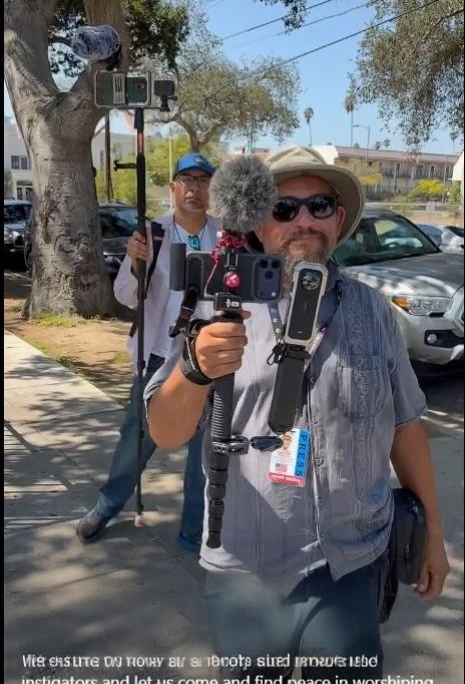
Հաջորդ քայլը #817 – 15 օգոստոսի, 2026 թ. – Սուրբ Մարիամի Վերափոխման տոնն այս շաբաթ պատված է աղմուկի մի ալիքով, որը շեղում է մեզ նրա հիմնական պատգամից։ Որպես ՍԵՐ ծնող անձի՝ դժվար է նրան գտնել այս աղմուկի մեջ։ Նա գալիս է հռոմեական կաթոլիկ ավանդույթի «Յոթ վշտերի» ավանդույթից և Գյումրիի մի եկեղեցուց, որը ծառայել է թե՛ Հայ Առաքելական, թե՛ Հռոմեական կաթոլիկ եկեղեցիներին։ Հայր Վազգենը ներկայացնում է Մարիամի յոթ վերքերի մասին իր քարոզի նախաբանը։ Բայց նախ՝ ժողովրդավարության նոր ինքնակոչ պահապանները հայկական եկեղեցին ընտրել են որպես հեշտ թիրախ (հմմտ. Էփշտեյնի ֆայլերը, ցեղասպանությունը և այլն)։ Ձգտելով ազդեցիկ անձի կարգավիճակի՝ նրանք բաց են թողնում ավելի վեհ բանի հետ կապվելու հնարավորությունը։ Եվ ավելին...
Լուսանկար՝ ֆեյսբուքյան գրառումից. Ազատության ինքնակոչ պաշտպանները բռնությամբ ներխուժում են հայկական եկեղեցու առջև։ >
https://epostle.net/wp-content/uploads/2026/08/Copilot_20260815_162455-e1786936973442.png14621024Վազգեն Մովսեսյանhttps://epostle.net/wp-content/uploads/2022/07/final_logo_large_for_epostle_web-300x189.pngՎազգեն Մովսեսյան2026-08-15 17:09:392026-08-15 17:09:39Աղմուկ Սուրբ Մարիամի շուրջ
Հայ եկեղեցու սովորույթներից ու ավանդույթներից է Սուրբ Աստվածածնի Վերափոխման տոնին խաղողօրհնեքի արարողությունը։ Հիսուսն օգտագործում է խաղողի և որթատունկի փոխաբերությունը՝ նկարագրելու համար Իր և Իր հետևորդների հարաբերությունները։ Մենք հաջորդ շաբաթ ավելի խորությամբ կանդրադառնանք այդ թեմային, իսկ այսօր եկեք կենտրոնանանք այն հարցի վրա, թե ինչու է խաղողօրհնեքը կապված Սուրբ Աստվածածնի հետ։
Հաշվի առնելով Հայաստանի կլիմայական պայմանները՝ խաղողի առաջին բերքը հասունանում էր օգոստոսի կեսերին, ինչը Վերափոխման տոնը դարձնում էր հարմար ժամանակ՝ երկրագործների համար իրենց առաջին բերքը որպես երախտագիտության նշան եկեղեցուն ընծայելու համար։ Քահանան օրհնում էր այս ընծան՝ գոհաբանական աղոթքով շնորհակալություն հայտնելով բարենպաստ եղանակի և բերրի հողի համար։ Այնուհետև օրհնված խաղողը եկեղեցու միջոցով բաժանվում էր համայնքին։
Առաջին բերքը ոչ թե մնացուկներն էին, այլ բերքի լավագույն մասը։ Ձեր լավագույնը պետք է ընծայեք Աստծուն՝ ձեր ունեցվածքը, աշխատանքը, եռանդն ու տաղանդները, որոնք Եկեղեցու միջոցով բաշխվում են համայնքի անդամների միջև։ Սուրբ Մարիամը, ով Քրիստոսին ճանաչում էր դեռ արգանդից մինչև Հարություն, առաջին քրիստոնյան էր։ Այս օրը մենք ընծայում ենք մեր աշխատանքի առաջին պտուղները։
Այսօրվա մեկ րոպեն՝ ամառային ժամանակի համար։
https://epostle.net/wp-content/uploads/2025/08/Vineyard-762.jpg11251125Վազգեն Մովսեսյանhttps://epostle.net/wp-content/uploads/2022/07/final_logo_large_for_epostle_web-300x189.pngՎազգեն Մովսեսյան2026-08-15 00:10:252026-08-13 21:19:02Ինչու՞ կապել խաղողը Մարիամի հետ
Հայկական ավանդույթի մեջ Սուրբ Աստվածածինը բազմաթիվ անուններ ունի, որոնց իմաստները սերնդեսերունդ ոգեշնչել են հավատացյալներին: Այդ նկարագրական անունները հայկական ավանդույթում տրվել են նաև աղջիկներին որպես սեփական անուններ: Դրանցից են՝ Սրբուհի՝ Սուրբը, Լուսաբեր՝ Լույս բերողը, Տիրուհի՝ Սուրբ Տիրուհին, Մաքրուհի՝ Մաքուրը, Իմաստուհի՝ Իմաստունը, Գեղեցիկ՝ Գեղեցկուհին, Անարատ՝ Անարատը... և ցանկը շարունակվում է:
Այս նկարագրական անուններն ընդգծում են Սուրբ Աստվածածնի առաքինությունները և մեզ համար դառնում են ուղենիշներ, որոնցով մենք կերտում ենք մեր կյանքը՝ սրբությամբ, լույսով, մաքրությամբ, իմաստությամբ և գեղեցկությամբ:
Սակայն ամենատարածված անունը, որով Նրան հիշատակում են Հայ Եկեղեցում, նկարագրական է և սահմանող: Այն Աստվածածին անունն է, այսինքն՝ Աստված կրողը: Ինչպես բոլոր անունների, այնպես էլ հատկապես Աստվածածին անվան դեպքում շեշտադրումը ոչ թե Նրա, այլ Նրա արգանդի պտղի՝ Հիսուսի վրա է:
Այսօրվա մեկ րոպեն՝ ամառային ժամանակի համար։
https://epostle.net/wp-content/uploads/2026/01/Marys-Acceptance-875.jpg345345Վազգեն Մովսեսյանhttps://epostle.net/wp-content/uploads/2022/07/final_logo_large_for_epostle_web-300x189.pngՎազգեն Մովսեսյան2026-08-14 00:10:042026-08-11 22:09:24Մարիամ, անունը
Այս շաբաթը Սուրբ Աստվածածնի Վերափոխման տոնին նախապատրաստվելու շրջան է։ Երբեմն Սուրբ Մարիամի պատմությունը թվում է չափազանց բարդ՝ գերբնական իրադարձությունների պատճառով, հատկապես Հովսեփի հետ նրա հարաբերությունների և, հետևաբար, Քրիստոսի կույս ծննդյան առումով։ Այդ պատճառով նրա պատմության ամենակարևոր և հիմնարար ուղերձը կարող է աննկատ մնալ։
Եկեք սկսենք սկզբից։ Սուրբ Մարիամը սրբերի ցանկում առաջինն է, քանի որ Նա «Այո» ասաց Աստծո կոչին՝ կրելու Հիսուս Քրիստոսին՝ Մարմնացյալ Սերը, Սիրո ամբողջական և լիարժեք արտահայտությունը։ Որպես սուրբ՝ Նրան չեն երկրպագում, այլ հետևում են Նրա գործերին և ընդօրինակում դրանք։
Աստծո կոչը Սուրբ Մարիամին ոչնչով չի տարբերվում այն կոչից, որ Նա ուղղում է Ձեզ և ինձ. կրե՛ք Քրիստոսին։ Կրե՛ք սերը։ Սերը բերե՛ք աշխարհ։ Նախապատրաստվե՛ք աղոթքով, պահքով և բարեգործությամբ։ Մաքրվե՛ք չար մտքերից, ատելությունից և նախապաշարմունքներից, որպեսզի սերը Ձեզանից հոսի ազատորեն։ Կուսությունը պարզեցված է։
Երբ լեգենդար «Բիթլզ» ռոք խումբը ձայնագրեց «Let it Be» երգը, Փոլ Մաքքարթնիի ձայնը շատ նուրբ երանգ հաղորդեց դաշնամուրի հնչյուններին։ «Երբ ես ինձ դժվարին պահերի մեջ եմ գտնում,- երգում էր նա,- Մայր Մարիամը գալիս է ինձ մոտ»։
Երբ երգը թողարկվեց, ես 12 տարեկան էի։ Այն գեղեցիկ և հուզիչ ստեղծագործություն էր։ Հիշում եմ՝ մտածում էի, որ նույնիսկ նա՝ «Բիթլզ»-ի անդամներից մեկը, և հետևաբար՝ ամբողջ խումբը, կիսում էին այն առանձնահատուկ տեղը, որ Մայր Մարիամն ունի մեր կյանքում։
Տարիներ, գուցե նույնիսկ տասնամյակներ անց, Մաքքարթնին հարցազրույցներից մեկում կիսվեց, որ երգի տողերը վերաբերում էին իր մորը՝ Մերի Մաքքարթնիին, որը մահացել էր հիվանդությունից՝ երգչի կյանքի վաղ շրջանում։ Այդ բառերով նա արտահայտում էր իր մոր հանդեպ ունեցած կարոտը։
Այս շաբաթ սկսվում է Սուրբ Մարիամ Աստվածածնի Վերափոխման տոնի նախապատրաստությունը։ Մենք բոլորս էլ կարոտ ունենք դեպի Սուրբ Մայրը։ Մենք կպատրաստվենք տոնին՝ մեր ուշադրությունը սևեռելով նրա և նրա պատմության վրա։
Այսօրվա մեկ րոպեն՝ ամառային ժամանակի համար։
https://epostle.net/wp-content/uploads/2026/08/Mary-on-the-Keys-scaled.jpg15582560Վազգեն Մովսեսյանhttps://epostle.net/wp-content/uploads/2022/07/final_logo_large_for_epostle_web-300x189.pngՎազգեն Մովսեսյան2026-08-12 00:10:322026-08-11 22:02:00Թող լինի Մայր Մարիամը
Մեր առջև սպասվող տոնին նախապատրաստվելու այս չորրորդ օրը մենք կենտրոնանում ենք մարդկության պատմության մեջ Սուրբ Մարիամի զբաղեցրած բացառիկ տեղի վրա։
Կիրակի օրը մենք նշում ենք Վերափոխման տոնը։ Ըստ Ավանդության՝ երբ Սուրբ Աստվածածինը վախճանվեց, Բարդուղիմեոս առաքյալը բացակայում էր նրա հուղարկավորությանը մասնակցող առաքյալների խմբից։ Երուսաղեմ վերադառնալով՝ նա խնդրեց այցելել գերեզման՝ հարգանքի տուրք մատուցելու համար Բարեհիշատակ Սուրբ Մորը։ Երբ նրանք գտան գերեզմանը դատարկ, պարզվեց, որ նա ինքնին Քրիստոսի կողմից «վերափոխվել» է Երկինք։ Այդ իսկ պատճառով տոնը կոչվում է Սուրբ Աստվածածնի Վերափոխման տոն։
Վերափոխում և Աստվածածին բառերը փառաբանում են Նրան, Ով ճանաչում էր Հիսուսին «օրրանից մինչև գերեզման» սահմաններից առաջ և հետո։ Սուրբ Մարիամը ճանաչում էր Քրիստոսին արգանդից մինչև Հարություն և մինչև իր իսկ Վերափոխումը։ Հրեշտակների խոսքերով՝ նա բարեշնորհ է, Տերը նրա հետ է, օրհնյալ է նա կանանց մեջ (Ղուկաս 1:28)։
Այսօրվա մեկ րոպեն՝ ամառային ժամանակի համար։
https://epostle.net/wp-content/uploads/2025/08/Utah-761-e1755145355218.jpg8781123Վազգեն Մովսեսյանhttps://epostle.net/wp-content/uploads/2022/07/final_logo_large_for_epostle_web-300x189.pngՎազգեն Մովսեսյան2025-08-14 00:01:442025-08-13 21:23:21Օրրանից մինչև գերեզման՝ ավելին
Այժմ, երբ Սուրբ Աստվածածնի Վերափոխման տոնն անցել է, ես կիսվում եմ ձեզ հետ այս հրաշալի պատմությամբ, որը միավորում է Հայոց եկեղեցում մկրտված և դրոշմված բոլոր քրիստոնյաներին։
Երբ Աստվածածինը վախճանվեց, բոլոր առաքյալները, բացի Բարդուղիմեոս առաքյալից, Երուսաղեմում էին և մասնակցեցին նրա հուղարկավորությանը։ Երբ Բարդուղիմեոսը վերադարձավ Երուսաղեմ և տեղեկացավ Սուրբ Մարիամի մահվան մասին, նա խնդրեց վերջին անգամ տեսնել նրա սուրբ մարմինը։ Երբ նրանք բացեցին գերեզմանը՝ Բարդուղիմեոսի խնդրանքը կատարելու համար, մարմինն այնտեղ չէր։ Նա իր Որդու կողմից վերափոխվեց երկինք։ Այդ պատճառով «Վերափոխում» բառն օգտագործվում է Աստվածածնի՝ երկինք մուտք գործելը նկարագրելու համար։ Սա տարբերվում է Հարությունից, որը եզակի իրադարձություն էր, երբ Հիսուսը սեփական զորությամբ հարություն առավ։ Սուրբ Մարիամի դեպքում նա վերափոխվեց երկինք։
Ստորև ներկայացնում ենք մի կարճ ապոկրիֆ պատմություն։ Հիսուսի մանկության ժամանակ, ինչպես Սուրբ Գիրքն է վկայում, բազմաթիվ իրադարձություններ տեղի ունեցան, և «Մարիամը պահում էր այս ամենը և խորհում իր սրտում» (Ղուկաս 2:19)։ Երբ Հիսուսի պորտալարն ընկավ, Մարիամը դրեց այն մի ալաբաստրե տուփի մեջ և տարիներ շարունակ պահեց իր մոտ։ Երբ Բարդուղիմեոսը եկավ հարգանքի տուրք մատուցելու Սուրբ Մոր կյանքին, նրան տվեցին այդ տուփը, որը նա պահեց իր սրտին մոտ։
Ք.Ա. չորրորդ տասնամյակում Բարդուղիմեոսը եկավ Հայաստան՝ Ավետարանը քարոզելու։ Նա Հայաստանում նահատակվեց Հիսուս Քրիստոսի հանդեպ ունեցած իր հավատքի և նվիրվածության համար։ Նախքան մահապատժի ենթարկվելը, նա կարողացավ փոքրիկ ալաբաստրե տուփը փոխանցել Հայաստանի ընդհատակյա եկեղեցու անդամներին։ Տուփը և դրա պարունակությունը՝ մեր Տիրոջ պորտալարը, գաղտնի պահվեցին եկեղեցու կողմից մինչև 301 թվականը, երբ Սուրբ Գրիգոր Լուսավորիչը քրիստոնեությունը հռչակեց Հայաստանի պետական կրոն։ Այդ ժամանակ տուփը հանձնվեց Գրիգորին, ով որպես գլխավոր եպիսկոպոս բազմել էր առաքելական գահին։ Գրիգորն այդ ժամանակ օրհնեց Սուրբ Մյուռոնի առաջին խմբաքանակը և պորտալարի մասունքներն ավելացրեց առաջին մյուռոնի մեջ։ Այս Սրբալույս Մյուռոնը, որն օգտագործվում է հավատացյալների, քահանաների, եպիսկոպոսների և սրբավայրերի օծման համար, թարմացվում է յոթ տարին մեկ։ Յուրաքանչյուր նոր խմբաքանակի մեջ ավելացվում է նախորդը, ինչը նշանակում է, որ Սուրբ Մյուռոնի մեջ կան Հիսուս Քրիստոսի ժամանակներից մնացած մասնիկներ։
Այս տարի տեղի կունենա Սրբալույս Մյուռոնի օրհնությունը։ Առաջիկա թողարկումներում մենք մեր ունկնդիրների հետ կկիսվենք Սուրբ Մյուռոնի խորհրդով։
Այսօր մենք աղոթում ենք Մարիամի օրհներգը, որը հայերենում կոչվում է «Մեծացուսցե»։ Հոգի իմ մեծացուսցէ զՏէր, եւ ցնծասցէ հոգի իմ Աստուծով փրկչաւ իմով։ Զի հայեցաւ ի խոնարհութիւն աղախնոյ իւրոյ. ահաւասիկ յայսմհետէ երանեսցեն ինձ ամենայն ազգք։ Ամէն։