Մի քանի տարի առաջ ես հայտնվեցի Ռուանդայի մի գյուղում՝ աշխատելով ցեղասպանությունը վերապրածների հետ։ Մենք անցկացրինք մի քանի ոչ պաշտոնական հարցազրույցներ, ծանոթացանք նրանց առօրյա գործունեությանը, և հետո, երբ արևը մայր մտավ, մարդիկ հանգստացան, և շատ շուտով՝ երեկոյան ժամը 7-ին, գիշերվա խավարի մեջ, մարդիկ իրենց տներում պատրաստվում էին երեկոյան հանգստի։ Գյուղում ոչ մի ձայն չէր լսվում։ Ինձ տարօրինակ թվաց, որ մարդիկ այսքան վաղ ժամին պատրաստվում են քնել։ Եվ հետո ինձ մտքով անցավ, որ առանց էլեկտրականության, առանց այն արհեստական լուսավորության, որն ապահովում է էլեկտրականությունը, գործնականում օրն ավարտվում էր արևի մայր մտնելով։
Այսօր մենք տոնում ենք ձմեռային արևադարձը։ Սա հյուսիսային կիսագնդում տարվա ամենակարճ օրն է։ Ամառային արևադարձից մինչև այս օրը օրերը գնալով կարճացել են, իսկ այժմ, առաջ շարժվելով, յուրաքանչյուր օր ավելի շատ ցերեկային ժամեր կլինեն՝ ապրելու և վայելելու համար։ Առանց էլեկտրականության աշխարհում կարող եք պատկերացնել, թե որքան սպասված կլինեին գալիք ավելի երկար օրերը. այնքան սպասված, որ այս օրը կնշվեր որպես «արևի ծնունդ»։ Իրոք, արևը ավելի երկար է մնում՝ ավելի շատ հնարավորություններ տալով աշխատանքի, հանգստի և շփման համար, այսինքն՝ կյանքի հնարավորություններ։
Քրիստոնեության տարածումը հեշտացնելու համար Հռոմեական կայսրությունում չորրորդ դարում Քրիստոսի ծննդյան օրը տեղափոխվեց դեկտեմբերի 25-ը։ Արևի ծննդյան տոնակատարությունը փոխարինվեց Սուրբ Ծննդյան տոնակատարություններով՝ ի պատիվ Որդու ծննդյան։ Մինչդեռ Հայաստանում չորրորդ դարում ձմեռային արևադարձը չէր նշվում այն չափով, որքան Հռոմեական կայսրությունում։ Սուրբ Ծննդյան օրը չփոխվեց, և հունվարի 6-ը մնաց որպես Աստվածահայտնության տոնակատարության օր։ Սուրբ Ծննդյան տարբեր ամսաթվերի համար կան այլ գործոններ ևս, բայց այսօր բավական է ասել, որ Հայաստանը չի ենթարկվել օրվա փոփոխությանը։ Մինչ օրս Հայ Առաքելական Եկեղեցին Քրիստոսի Ծնունդն ու Մկրտությունը նշում է նույն օրը՝ հունվարի 6-ին։
Արևադարձը մատնանշում է տիեզերական ժամացույցը, որը փոխում է եղանակներն ու ժամանակները ամբողջ աշխարհում։ Սա հիշեցում է, որ մեր հավատքի մեծագույն գանձերից ոմանք գտնվում են բնության ամենապարզ երևույթներում։ Անկախ նրանից՝ դա արևի ծնունդն է, թե Որդու ծնունդը, երկուսի միջով էլ անցնում է ընդհանուր թել՝ լույսը։ Երկուսն էլ աշխարհին տրված լույսի պարգևներ են։
How we process this revelation in the Christmas message, is how Armodoxy fits into our cosmology.
https://epostle.net/wp-content/uploads/2025/12/Solstice-e1766475772571.jpg765532Վազգեն Մովսեսյանhttps://epostle.net/wp-content/uploads/2022/07/final_logo_large_for_epostle_web-300x189.pngՎազգեն Մովսեսյան2025-12-23 00:01:092025-12-22 23:43:07Արևադարձ. Լույսի լույսը
Armodoxy for Today: Advent, the Solstice and Homelessness
We’ve arrived at the Winter Solstice: The shortest day of the year in the Northern Hemisphere.
The Winter Solstice is a day I personally celebrate every year, for a variety of reasons, chief among them is the festive nature of the day. It signals the beginning of Winter and lengthening of days and the beginning of the Christmas Celebrations. I am also intrigued by the movements of our planet around the Sun, the precision under which these astronomical bodies dance in the sky.
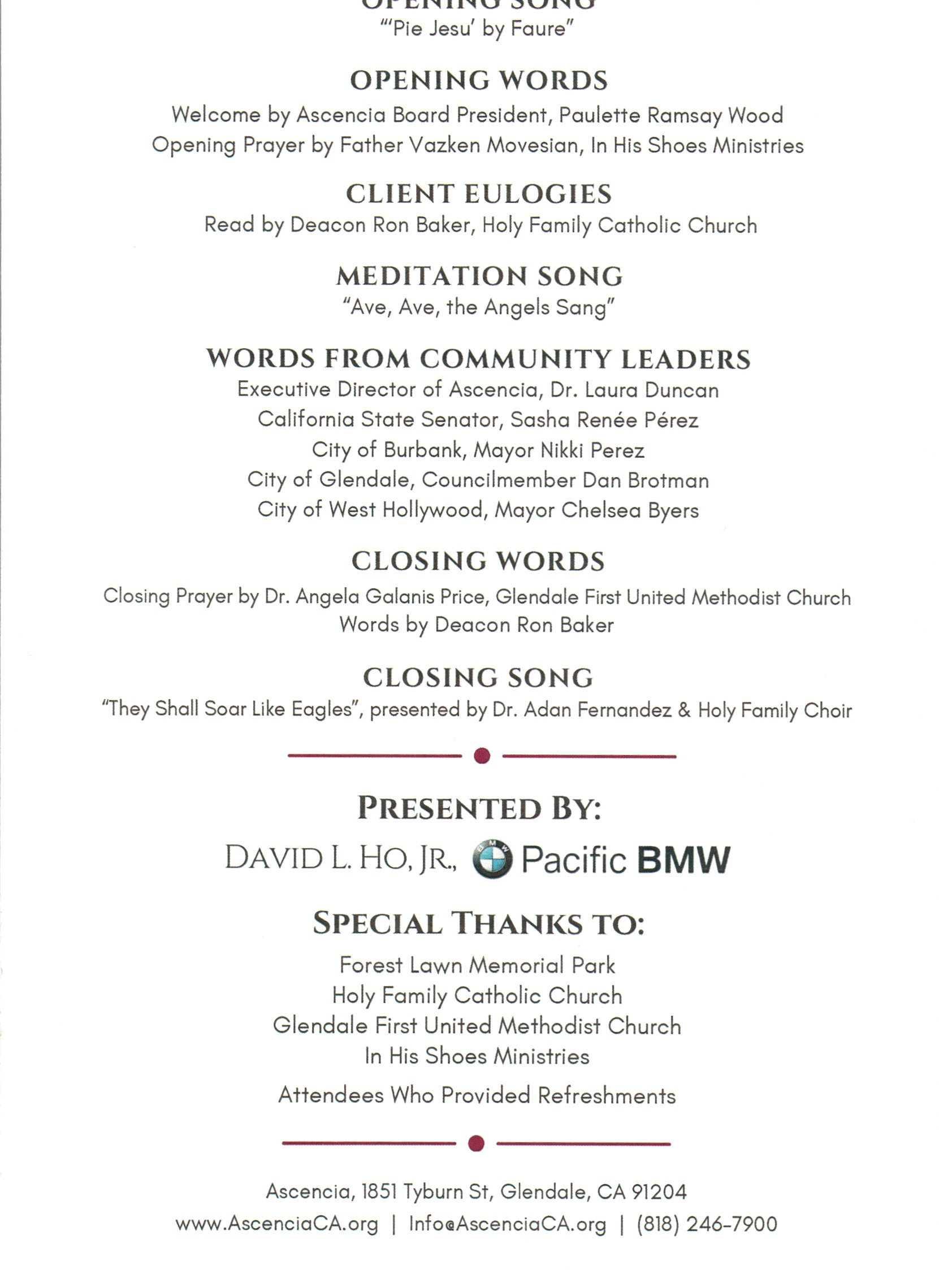
This year, the celebration was overshadowed by an invitation I received to offer the opening prayer at the Homeless Persons’ Memorial Service. If this is the shortest day of the year, it follows that this is also the longest night of the year, and so appropriately, this evening is an opportunity to focus on the severe problem of homelessness. This past year over 2,000 unhoused individuals died on the streets. Throughout the country memorials are being held to commemorate the lives of those who otherwise would not be remembered anywhere else.
We assembled in a sanctuary space of the local cemetery in Glendale, California. I was with friends from Ascencia where we have had the privilege of feeding their homeless clients for the last two decades. Ascencia’s motto is simple: Lifting people out of homelessness. They had organized this gathering, as local component of the larger National commemoration. We were honored to be invited.
We provide meals at Ascencia in the Armenian tradition of matakh – as an offering of thanksgiving for blessings. We do so because we feel the homeless do not need sympathy, they need empathy, that is we need to be empathetic in our response to their call. These people who we fed were our neighbors. They were our brothers, sisters, fathers, mothers and children. As an Armenian, my grandparents were homeless – exiled from Armenia during the Genocide. So standing in their shoes is not merely a metaphor but an understanding that these are our family and in turn, we offer them a glimpse at their children, to know there is hope beyond the trappings of the day.
As so, at the service we remembered those who passed by name, Carla Baird, Michael Blazen, Patricia Doe, Adam Holling, Daniel Lima, Vartan Marootian, Arturo Villegas Palomo, Hilario Rodriguez, Nicole Rodriguez, Jose Vera Sarmiento, Walter Smith and Phillip Steele, all whose lives ended on the streets of Glendale. I mention their names, because it’s too easy to clump them together as a group. They had names, personalities, parents and family.
At the memorial we were joined by a few government officials. Not everyone wants to attend an event where votes may not be gathered, but those who attended joined the chorus in a pledge against homelessness, including Senator Sasha Perez, who reflected in an emotional expression remembering family members who had succumbed to homelessness.
On this night we pray, Heavenly Father, at this holy season as we remember the birth of Your Son, who was betrayed to homelessness on the night of the Nativity, open our ears to listen carefully to the call of the angels who proclaimed the reason and purpose of our faith: Peace on Earth and Good will toward one another. May we never walk away from that calling. Let us become those instruments of peace and goodwill by extending ourselves to one another, in service, sacrifice and sharing of our resources and talents. Amen.
https://epostle.net/wp-content/uploads/2025/12/Homeless-Persons-Memorial-Ascencia-1-e1766371565647.jpg9951660Վազգեն Մովսեսյանhttps://epostle.net/wp-content/uploads/2022/07/final_logo_large_for_epostle_web-300x189.pngՎազգեն Մովսեսյան2025-12-22 00:01:102025-12-21 19:24:07Գալուստ, արևադարձ և անօթևանություն
Armodoxy for Today: Children to brighten up our Advent
The holiday season is a joyous season and a stressful one. For families who have suffered loss, the stress level is compounded with feelings of longing, sadness and depression.
In 1997, then President Clinton, established a national memorial day for children, to be commemorated annually two weeks before Christmas. At the time, I was serving as Parish Priest of the Armenian Church in Pasadena. A year earlier, a young girl in the church family and a student at the church school named Cathia Hamparian had died in a car accident. She was 13 years old. Her loss had devastated family and friends and had shaken up the community.
With Cathia’s family, we organized the first Children’s Memorial that year dedicated it in memory of her sweet soul. And we have continued with the tradition of remembering children, as an annual event during Advent. Sadly, through the years, the list of names has increased, with children of all ages, who have passed before their time.
It is a very special evening, because it offers an outlet to parents who try to make sense of the senseless. These children are the most innocent of God’s creation. They didn’t have a chance to live a full life. But on this one night they find a group of people who deal with the same questions and queries, they have. Together they support one another to stand once again.
The great power of the Church is in its ability to create community – a safe place for people to share without fear or worries. Jesus sets the ground rules for the church: judge not, lest you be judged, love and embrace the brokenhearted, shower one another with unbridled love and care. It’s actually the formula for a successful church. And why not? The Church is the Body of Christ, and that formula of no judgement, embracing the brokenhearted and loving others, describes Jesus Christ. He’s perfect and his Holy Church is set up to be perfect. It is in that environment that God, that is Love, is present and active.
The Children’s Memorial is part of our Advent journey, pointing to the importance and necessity of the Church in the life of the Christian. Even more, it points to the Resurrection because children continue to live in the hearts of their loved ones, and within our community their presence is never far away.
We pray this simple prayer today, from the Children’s Memorial, No heart breaks alone, for I know that You, my God, are always nearby. And when I whisper a prayer, hear me. When sorrow is overwhelming comfort me tenderly. I know You are always there to hear, for not a single tear will fall that You my God don’t see. I turn to You always. Amen.
Cover photo: At the end of the 2025 Cathia Hamparian Memorial Service, participants placed candles around an angel figurine.
https://epostle.net/wp-content/uploads/2025/12/Advent-2025-Covers-e1766154041324.jpg272456Վազգեն Մովսեսյանhttps://epostle.net/wp-content/uploads/2022/07/final_logo_large_for_epostle_web-300x189.pngՎազգեն Մովսեսյան2025-12-19 00:01:492025-12-19 07:07:56Երեխաները՝ մեր Սուրբ Ծննդյան պահքի լույսը
In our encounter with Jesus’ commandments, one in particular stands out from the rest, the commandment to not resist evil. We are to understand that opposition to evil cannot come by adding evil to the equation. Evil + evil will never equal an absence of evil. We can’t fight fire with fire when it’s only reasonable (and preferrable) to fight it with water.
«Ով ապտակի քո աջ այտին,- հրահանգում է Հիսուսը,- դարձրո՛ւ նրան նաև մյուսը: Եվ եթե մեկը ուզենա դատի տալ քեզ ու քո վերնազգեստը վերցնել, թո՛ղ նրան նաև քո պատմուճանը: Եվ ով ստիպի քեզ մեկ մղոն գնալ, գնա՛ նրա հետ երկուսը: Տո՛ւր նրան, ով խնդրում է քեզնից, և նրան, ով ուզում է փոխ առնել քեզնից, երես մի՛ դարձրու» (Մատթեոս 5:39-41):
Չարի բացակայությունը սերն է, ուստի «սիրեցե՛ք ձեր թշնամիներին» պատվիրանը բնական հաջորդ քայլն է և խաղաղության ճանապարհին անհրաժեշտ մի քայլ:
Հայ եկեղեցում «Խաղաղություն ամենեցուն» արտահայտությունը հաճախ է կրկնվում ժամերգությունների ընթացքում, և հատկապես՝ Սուրբ Պատարագի ժամանակ: Պատկերացրեք՝ մի ժողովուրդ, որը չի ճանաչել խաղաղություն, միաժամանակ չի ունեցել ռազմական հզորություն կամ բարդ ռազմական ռազմավարություն, և այնուամենայնիվ, հռչակում և առաջարկում է խաղաղություն:
Մենք այսօր կանգ ենք առնում հրավերով և Գալստյան մարտահրավերով. Սուրբ Ծննդյանը նախապատրաստվելիս կարո՞ղ եք պատկերացնել չարին հակադրվող այլընտրանք՝ չարը լուծելու համար: Հիսուսի «Կատարյալ եղեք, ինչպես որ ձեր երկնավոր Հայրն է կատարյալ» (Մատթեոս 5:48) կոչը ենթադրում է, որ կան միջոցներ, որոնք պահանջում են օգտագործել Աստծո կողմից մեզ տրված տաղանդները՝ հաղթահարելու այն ողբերգությունները, որոնք մենք չար ենք անվանում:
Գալստյան ուղևորությունը նպատակ ունի պատրաստելու մեզ մեծ Աստվածահայտնությանը՝ Աստծո Հայտնությանը: Այդ պատրաստությունը տեղի է ունենում հասկանալու պայքարի միջոցով՝ «պատկերացնելով», եթե կուզեք, մեր գոյությունը որպես Աստծո զավակներ: Երանի՜ խաղաղարարներին, որովհետև նրանք Աստծո որդիներ պիտի կոչվեն:
Մենք աղոթում ենք Խաղաղության Նոբելյան մրցանակակիր, վերապատվելի Մարտին Լյութեր Քինգ կրտսերի աղոթքով. «Ո՛վ Աստված, Արարիչ և Պահապան ամենայն մարդկության, ում մեջ բնակվելը նշանակում է գտնել խաղաղություն և ապահովություն, ում դիմելը նշանակում է գտնել կյանք և հավերժական կյանք, մենք խոնարհաբար աղաչում ենք Քեզ բոլոր տեսակի և վիճակի մարդկանց համար. թող Քեզ հաճելի լինի Քո ճանապարհները հայտնի դարձնել նրանց, Քո փրկարար առողջությունը՝ բոլոր ազգերին: Մենք աղոթում ենք նաև Քո սուրբ տիեզերական Եկեղեցու համար, որպեսզի այն առաջնորդվի և կառավարվի Քո Հոգով, որպեսզի բոլոր նրանք, ովքեր դավանում և իրենց քրիստոնյա են անվանում, առաջնորդվեն դեպի ճշմարտության ուղին և պահեն հավատքը հոգու միասնությամբ, խաղաղության կապով և կյանքի արդարությամբ: Վերջապես, Քո հայրական բարությանն ենք հանձնում բոլոր նրանց, ովքեր որևէ կերպ տառապում են կամ վշտացած են մտքով կամ մարմնով: Տո՛ւր նրանց համբերություն տառապանքի մեջ և տոկունության ուժ: Այս խնդրում ենք Հիսուսի անունով: Ամեն»:
https://epostle.net/wp-content/uploads/2025/12/Pastoral-Peace-855-e1766036886758.jpg765768Վազգեն Մովսեսյանhttps://epostle.net/wp-content/uploads/2022/07/final_logo_large_for_epostle_web-300x189.pngՎազգեն Մովսեսյան2025-12-18 00:01:042025-12-18 03:24:05Խաղաղություն առանց չարիքի
Ազդակները լինում են տարբեր ձևերի ու չափերի։ Հրազենի դեպքում դա այն մեխանիզմն է, որը գործարկում է կրակոցը։ Ծաղիկները կամ մորթյա կենդանիները կարող են մարդկանց մոտ ալերգիա առաջացնել, իսկ լավ դերասանը, մարմնավորելով իր կերպարը, կարող է հարուցել այնպիսի զգացմունքներ, որոնք կփափկեցնեն նույնիսկ ամենակոշտ սրտերը։
Երկնային երևույթները, ինչպիսիք են արեգակնային կամ լուսնային խավարումները, հաճախ կրոնական բնույթի քննարկումների առիթ են դառնում։ Քանի որ երկնային մարմինների՝ Լուսնի և Արեգակի շարժումներն ունեն իրենց ռիթմերն ու օրինաչափությունները, ոմանք ամբողջ երևույթին միստիկ բացատրություններ են վերագրում։ Սակայն ավելի ուշադիր նայելիս՝ դրանց շարժման միակ «միստիկ» տարրն այն է, որ դրանք անսովոր ճշգրիտ են ու կատարյալ։ Համարձակվենք ասել, որ դրանք մատնանշում են Արարչին, որին մենք հաճախ անվանում ենք Աստված։
At a solar eclipse a person who noted my interest in the event asked, if the eclipse is mentioned in the Bible? Now, if you’ve been a priest long enough you know where this is leading (or misleading) –somehow this is being a precursor to end times. I’ve read in the Bible about darkening-sky events, but in the case of eclipses which last only a few minutes, there is nothing apocalyptic about them. But look at it in another way, MRI’s and Xray’s are not mentioned in the Bible either, but we use them to diagnose a wide variety illnesses. Jets aren’t mentioned in the Bible, but they sure help get you around.
Արմոդոքսիան Ձեզ հրավիրում է բնությանը նայել որպես Աստծո հրաշքների շարունակություն։ Դրանք ամենուր են։ Անհայտի և անհասկանալիի մեջ աշխարհի վախճանի մասին մտքեր փնտրելու փոխարեն՝ փառաբանեք Աստծո մեծությունը և Նրա Արարչագործության ողջ գեղեցկությունը։
Մեր խոսքը եզրափակում ենք Սիրաքի գրքից այս աղոթքով. «Աստղերի փառքը երկնքի գեղեցկությունն է, Տիրոջ բարձունքներում փայլող մի զարդ։ Սուրբի հրամանով նրանք կանգնած են իրենց նշանակված տեղերում և երբեք չեն հոգնում իրենց պահակությունից։ Նայե՛ք ծիածանին և օրհնե՛ք Նրան, ով ստեղծեց այն. այն չափազանց գեղեցիկ է իր պայծառությամբ։ Այն շրջապատում է երկինքը իր փառահեղ կամարով. Ամենաբարձրյալի ձեռքերը տարածեցին այն։ (գլուխ 43)
This week of Advent begins with a scriptural reading from Hebrews chapter 1. It reads like an essay, explaining that God speaks to us through His Son, Jesus Christ. The scripture reads, “Long ago God spoke to our ancestors in many and various ways by the prophets, but in these last days he has spoken to us by a Son, whom he appointed heir of all things, through whom he also created the worlds. He is the reflection of God’s glory and the exact imprint of God’s very being, and he sustains all things by his powerful word. When he had made purification for sins, he sat down at the right hand of the Majesty on high, having become as much superior to angels as the name he has inherited is more excellent than theirs.”
Եբրայեցիներին ուղղված թղթի այս ներածությունը, որին մենք անդրադառնում ենք այսօր, տիեզերական շունչ ունի։ Հետաքրքիր է, որ մենք այն կարդում ենք եկեղեցում ձմեռային արևադարձի շաբաթվա ընթացքում։
The author of Hebrews continues his writing setting apart the Son of God from the angels, “For to which of the angels did God ever say, ‘You are my Son; today I have begotten you’? Or again, ‘I will be his Father, and he will be my Son’? And again, when he brings the firstborn into the world, he says, ‘Let all God’s angels worship him.’” For the author of this scriptural treasure, it is important to set Jesus apart from all of creation.
Երբ խոսում ենք Առաքելական եկեղեցու մասին, նկատի ունենք Առաքյալների ժամանակների եկեղեցին։ Այն ժամանակ Աստվածաշունչ գոյություն չուներ։ Կար միայն հավատացյալների համայնքը, որը հավաքվում էր Սուրբ Հոգով լցվելու և միմյանց քաջալերելու համար։ Առաքելական եկեղեցին, իսկ ավելի ուշ՝ վաղ եկեղեցին, եկեղեցին և քրիստոնեական կյանքը հասկանում էին որպես տիեզերքի այն ռիթմի մի մասը, որը սկսվել էր Արարչագործությամբ, ապա անկում ապրել՝ տիեզերքի ռիթմի և ներդաշնակության դեմ մեր գործողությունների պատճառով։
Քրիստոսը առանձնացված է։ Քրիստոսը գալիս է մեզ վերադարձնելու ներդաշնակության և տիեզերքի՝ այսինքն՝ ամբողջ արարչագործության ռիթմի մեջ։
Մենք ճանապարհորդում ենք Պահքի շրջանով՝ պատրաստվելով դիմավորելու մեր կյանքում Աստծո Ծնունդն ու Հայտնությունը։ Այսօր մենք կանգ ենք առնում և լսում ներդաշնակության ու ռիթմի պատգամը։ Մեզ մեկ օր է բաժանում ձմեռային արևադարձից։ Մենք նայում ենք մեր կյանքի ներսը և բնության օրինաչափությունների դրսի կողմը։ Սուրբ Ծնունդը մոտ է։
Let us pray a prayer that comes to us from Holy Scripture for the Book of Sirac, (43) The beauty of the celestial height and the pure firmament, heaven itself manifests its glory. The sun at its rising shines at its fullest, a wonderful instrument, the work of the Most High! Let us praise Him the more, since we cannot fathom him, for greater is He than all his works; Awesome indeed is the LORD, and wonderful His power. Lift up your voices to glorify the LORD as much as you can, for there is still more. For who has seen him and can describe him? Who can praise him as he is? Beyond these, many things lie hidden; only a few of his works have I seen. It is the LORD who has made all things; to those who fear him he gives wisdom.
https://epostle.net/wp-content/uploads/2025/12/Rhythms-of-the-Northern-Lights-853-e1765847029560.jpg765507Վազգեն Մովսեսյանhttps://epostle.net/wp-content/uploads/2022/07/final_logo_large_for_epostle_web-300x189.pngՎազգեն Մովսեսյան2025-12-16 00:01:332025-12-15 17:04:18Վերադարձ ներդաշնակության և ռիթմի
Armodoxy for Today: Advent Series — Christmas on Las Lunas St.
There is a house on Las Lunas, less than a mile from our home, that decorates for Christmas. We discovered it when we first moved to Pasadena, and since then it has been one of my favorite Christmas stop.
Yes, there was the Balian mansion. Many happy memories were made there, taking visitors from out of town to see the elegant display of lighting in this upscale Altadena neighborhood. Lights hung in an orderly manner with some traditional colored statues, such as the manger scene, angel singers, wise men, and the rest of Nativity seekers found in the Gospel of Luke. Kids loved going for the added attraction, the vendors who lined the streets with electronic gadgets, bright lights that lured the kids and their parents to fork over a few bucks for these plastic sparkly lights that lasted just long enough to make it home. In the hands of the kids they broke down rather quickly. But even with all the lights hanging from the mansion, the glow sticks and sparkly lights were fun because they contrasted so brightly against the dark surroundings of the neighborhood.
And then there is the house on Las Lunas… no additional lights are needed. Here you’ll find a house decorated with lights on top of lights. Different sizes and shapes of bulbs. Statues of the Holy Family, the wise men and Santa Claus, yes! You expect those. But also, here to you’ll find lit plastic statues of cartoon carolers from Mickey Mouse to Looney Tunes, with a variety of superheroes like Batman and Spiderman, all assembled to greet the newborn Babe in the Manger. Electrical outlets and wires throughout the front yard power the lights that roll off the roof and stretch to the curb, like a technicolor electric blanket. The house on Las Lunas is a celebration of Christmas both religious as well as secular. And I love it.
It is obvious that this is an amateur production, but… so was the First Christmas in Bethlehem. (I mean, making do with a manger for a crib?) It is also a labor of love, as was the First Christmas in Bethlehem.
Through the years I’d take our boys to see the “House on Las Lunas.” More than the house itself, I’d love to watch their expressions as they looked at the lights. Their expression were the definition of “Christmas Magic.”
A few years back, I knew it wasn’t right to enjoy this to this extent without offering something in return. So that year, and the years following, I’d carry some extra cash with me when we’d visit the house, with the hope that I’d see the owner, thank him and offer something to, at the very least, help with the electric bill for all these bulbs, many from the incandescent era. I never saw him. Even in the off-season, whenever passing by on Las Lunas I’d glance over on the chance I’d see someone in the yard. But no such luck.
A few years ago, it was time to introduce our grandsons to the magic on Las Lunas. My wife and I bundled them up, put them in the car and took them over to give them their first glimpse of Christmas on Las Lunas. I took some cash along with me again, on the possibility, and hope, that we might find the artistic director of the light show. This time, we were in luck.
We arrived at the house and helped our grandsons out of their infant seat harnesses. They walked out with wide eyes, taking it all in. Big smiles, not knowing in which direction to go first. Christmas music was playing loud. And then… there he was. The owner of the house and creator of the light show was there with a drill in his hand and an assortment of tools. He was working on a small “Santa’s house.”
The kids went in and out of all the lights and arrived at the barn where the Holy Family, wisemen and animals were circled around the manger with the Christ child. Our older grandson looked in and we explained what was happening. His younger brother who has to copy everything his older brother does, came and listened attentively. We went walking through the lights and different statues and of course, the kids were excited to find Batman and Spiderman peeking through some well-lit shrubs.
The owner was busy with the lights, but this was my chance to show my appreciation for the years of happiness he had given our family and make an offering of assistance. I approached him and introduced myself and our grandsons. I told him that I had been coming to his house for years with my sons and now, it was the next generation’s turn. I choked up as I reminisced. “I just want to thank you for all the happiness and joy you’ve brought to my kids and now my grandkids.”
He smiled and appreciated being appreciated. He gave me a brief history. His father lived in this house until his death 20 years ago. As a tribute to his father, he decorated the house every Christmas because one of his fondest memories was visiting the Balian mansion as a kid. We exchanged memories under the cold December sky. I was surprised to notice through all this light down here, the twinkling of stars high up above in the sky.
I reached into my pocket and began, “I know this costs a lot of money to maintain. I’d like to participate with a small offering to at least take care of the electricity.” He looked at me. I was in the shadow of the light, and he probably didn’t notice a couple of tears swelling up in my eyes, but he probably heard it in my voice.
He said, “I can’t take it. It’s not about me. It’s about him.” He pointed to the manger and the baby Jesus laying in it. “I know what he would want you to do with that money. Please give it to the homeless. There are so many on the streets,” and he pointed to the main street at the end of the block, with cars and buses rolling by.
I felt the greatest joy at that moment. I couldn’t say much, I was still choked up but I did manage to get out a few words. “I will. I will give this money to the homeless and may God bless you.”
During this Advent Season, the Armenian Church sets its mark on the destination, that is Christmas, by giving the shopping list for the Christ child, the honoree of this Birthday celebration. It is only proper to ask him his choice of gift and give that which he desires. The shopping list is given to us by Jesus himself. It is found in the Gospel of Luke. The Jesus’ words are as follows: When you give a dinner or a supper, do not ask your friends, your brothers, your relatives, nor rich neighbors, lest they also invite you back, and you be repaid. But when you give a feast, invite the poor, the maimed, the lame, the blind. And you will be blessed, because they cannot repay you; for you shall be repaid at the resurrection of the just. (Luke 14: 12-14)
This is the magic of Christman, a magic we find on Las Lunas Street.
Դուք Մեծ ընթրիքի սեղանի շուրջ եք (Ղուկաս 14)։ Սա տոնակատարություն է։ Սա Աստծո Թագավորության մեջ դրված սեղան է։ Եվ հիմա դուք գիտակցում եք, որ նման խնջույքը պետք է նպատակ ունենա։ Այն ունի։ Այն Աստծո Թագավորությունը տոնելու համար է։ Իսկ պատվավոր հյուրը Հիսուս Քրիստոսն է։
Պատկերացրեք, որ Ձեզ հրավիրել են Տիրոջ տոնակատարությանը։ Իրականում, ոչինչ պատկերացնելու կարիք չկա. Տիրոջ ծննդյան կամ Սուրբ Ծննդյան տոնակատարությունը տեղի է ունենում Սուրբ Ծննդին, և ինչպես ժամանակի ընթացքում կհասկանանք, այն չի սահմանափակվում միայն Սուրբ Ծննդյան օրով։ Ընդունված է, քաղաքավարի և պատշաճ՝ նվեր կիսել պատվավոր հյուրի հետ։ Ի՞նչ ընծա կարող եք դուք մատուցել Հիսուսին։ Հավատացեք, Amazon-ում, որևէ կատալոգում կամ որևէ այլ տեղ չկա այնպիսի բան, որը կդասվի «Հիսուսի ընծա» կատեգորիային։ Բարեբախտաբար, Հիսուսը մեզ է տվել իր ցանկությունների ցուցակը՝ իր ծննդյան օրը նշելու համար։ Այն հանդես է գալիս որպես Մեծ ընթրիքի առակի նախաբան։
Հիսուսն ասում է. «Երբ ճաշ կամ ընթրիք տաս, մի՛ կանչիր քո բարեկամներին, ոչ էլ քո եղբայրներին, ոչ էլ քո ազգականներին կամ հարուստ հարևաններին, որպեսզի նրանք էլ քեզ չհրավիրեն, և դու հատուցում չստանաս։ Այլ երբ խնջույք ես կազմակերպում, հրավիրի՛ր աղքատներին, հաշմանդամներին, կաղերին ու կույրերին։ Եվ երանի՜ կլինի Ձեզ, որովհետև նրանք չեն կարող հատուցել Ձեզ. քանզի հատուցումը կստանաք արդարների հարության ժամանակ»։
Ահա և այն։ Սա է Հիսուսի ընծան։ Հենց գիտակցում եք, որ Տիրոջ սեղանի շուրջ եք, կյանքն ու անմահությունը որպես պարգև են տրվում Ձեզ։ Կյանքը և հավիտենական կյանքը մի պարգև է, որի համար դուք բացարձակապես որևէ գնահատական սահմանելու հնարավորություն չունեք։ Այն իսկապես անգին է և անհնար է հատուցել, եթե չանեք հենց այն, ինչ Հիսուսը խնդրում է մեզանից՝ այն է՝ նվեր տալ նրանց, ովքեր Ձեզ հատուցելու հնարավորություն չունեն։ Նկատեցի՞ք Հիսուսի նշած մարդկանց կոնկրետ ցուցակը։ Նա ասաց՝ հրավիրել աղքատներին, հաշմանդամներին, կաղերին և կույրերին։ Սա նույն խումբն է, որը Ընթրիքի առակում բնութագրվում է որպես մերժվածներ։
Jesus could not spell it out any clearer, the greatest gift we can give Jesus for the celebration of his birth, is the gift he requests: do good to others, do to those who have no way to pay you back or return the favor.
Սա հակասում է ամեն ինչին, ինչին մենք սովոր ենք Սուրբ Ծննդյան շրջանում, բայց սա է Սուրբ Ծննդյան իսկական ընծան։ Այս ընծայի մեջ մենք հասկանում ենք, որ Աստծո հանդեպ սիրո չափը հիմնված է միմյանց սիրելու և հոգ տանելու մեր կարողության վրա։ Սուրբ Ծննդյան նվիրատվությունը սկսվում է Հիսուսի ծնունդը որպես մեզ տրված պարգև ընդունելով և ուրախությունը կիսելով՝ բարիք բերելով ուրիշներին, հատկապես նրանց, ովքեր փոխադարձելու հնարավորություն չունեն։ Քրիստոնեական նվիրատվության ակունքները բխում են այս պարզ ըմբռնումից, որ կյանքի հրաշալի պարգևի համար Աստծուն շնորհակալություն հայտնելու միակ ճանապարհը մեր անձը ուրիշների հետ կիսելն է։
Սուրբ Ծնունդն արդեն մեր տեսադաշտում է։ Նպատակն ու իմաստը սկսում են դրսևորվել, երբ մենք շարունակում ենք մեր Գալստյան ուղին։
We therefore pray, Lord, we thank you for the gift of life. We prepare ourselves for Christmas by opening our hearts to one another. Help me to share my love with others with no other expectation than the satisfaction of fulfilling Your Will. May I give to others, in the same spirit with which You have given to us and may my gratitude be expressed in the offerings I give to those in need. Amen.
Մեծ խնջույքի առակը (Ղուկաս 14:12-24) ավարտվում է հետևյալ խոսքերով. «Քանզի ասում եմ ձեզ, որ հրավիրվածներից ոչ ոք չի ճաշակի իմ ընթրիքից»: Եվ այժմ դուք ձեզ գտնում եք սեղանի շուրջ նստած, և այստեղ գտնվելու միակ պատճառն այն է, որ դուք ընդունել եք հրավերը: Դուք Խնջույքին եք, որը հիշատակվել է որպես «Երանի նրան, ով հաց կուտի Աստծո արքայության մեջ»: Դուք օրհնված եք: Դուք խնջույքի մեջ եք: Եվ այժմ եկեք նայենք շուրջներս:
Մինչ այժմ մենք դիտարկել ենք նրանց, ովքեր մերժել են հրավերը: Armodoxy-ի մարտահրավերը ձեզ այս առակի մեջ տեղադրելն է: Հեշտ է առակի հերոսների մեջ ուրիշների թերությունները տեսնելը, սակայն քրիստոնյան կոչված է ինքն իրեն տեսնելու առակի դինամիկայի մեջ: Այս տեղադրումը ինքնավերլուծության վարժություն է: Հետևաբար, մենք գտնում ենք Գալստյան շրջանի կարևոր պատճառներից մեկը՝ հոգեպես և հոգևորապես պատրաստ լինել ընդունելու Տիեզերքի Արարչին մեր մեջ: Քրիստոս ծնվեց և հայտնվեց՝ սա է Սուրբ Ծննդյան պատգամը:
Դուք այժմ Սեղանի շուրջ եք: Գնացեք ավելի հեռու՝ ինքներդ ձեզ հարցնելով. ինչպե՞ս եմ ես արձագանքել նստելու հրավերին: Իրական հրավերը Երկնքի Արքայությանն է: Աստված խնդրում է մեզ՝ հրավիրում է մեզ՝ արժևորել կյանքը, ինչպես մենք արժևորում ենք մեր մեքենաները, տները, բիզնեսը, այն աստիճան, որ սպասեցնում ենք մեր երեխաներին, մինչ մենք հետապնդում ենք նյութական հարստություն: Աստված խնդրում է մեզ՝ հրավիրում է մեզ՝ փնտրել խաղաղություն: Մենք կառուցում ենք ավելի մեծ ու ավելի լավ զենքեր: Մենք վերացնում ենք միասին աշխատելու և ներդաշնակություն գտնելու տարբերակները և գտնում ենք միայն սահմաններ ու պատնեշներ կառուցելու ուղիներ: Աստված խնդրում է մեզ՝ հրավիրում է մեզ՝ սիրել միմյանց և հոգ տանել ուրիշների մասին: Մենք ասում ենք՝ ոչ բոլորին: Մենք սահմանում ենք մեր չափանիշները այնպես, որ սերը անվերապահ չլինի:
Այլ կերպ ասած՝ Խնջույքի հրավերը Աստծո Արքայության հրավեր է: Հրավերին արձագանքելը հնարավորություն է մեզանից յուրաքանչյուրի համար՝ իսկապես ուշադիր լսելու մեր սրտի պատասխանները:
Առակը Աստծո սերը և Աստծո արքայությունը բոլորի հետ կիսելու մասին է: Բոլորն ունեն հավասար հասանելիություն: Այսօր մենք նստում ենք Սեղանի շուրջ և նայում շուրջներս՝ երախտապարտ, որ այստեղ ենք, և մեծացնում ենք մեր գիտակցությունը սիրո, հանդուրժողականության, խաղաղասիրության և կյանքը սիրելու վերաբերյալ, որը մեզ բերել է այստեղ: Աստծո շնորհն ու ողորմությունը մեզ հասանելիություն են տվել այս գեղեցիկ հնարավորությանը, վաղը մենք կդիտարկենք այս Սեղանի շուրջ նստելու գինը: Այն բարձր է, բայց նաև շատ հաճելի:
Միացեք ինձ աղոթքում. Ամենաբարեգութ և ամենակարող ապավեն ու հույս տկարների և նեղյալների, Տե՛ր իմ և Աստվա՛ծ իմ, որ ստեղծեցիր ամեն ինչ ոչնչից: Մոտեցիր ինձ Քո անպատմելի ողորմությամբ, քանզի Դու գթասրտություն ես ցուցաբերում նրանց հանդեպ, ովքեր տենչում են Քեզ, և բժշկում ես նրանց Քո բարեգթությամբ: Արժանացրո՛ւ ինձ Անմահության Սեղանին, որպեսզի աղոթքով միանամ նրանց, ովքեր երկրպագում են Քեզ, քանզի Քեզ է վայել փառքը, տիրապետությունը և պատիվը, այժմ և միշտ, Ամեն:
Հիսուսը պատմում է, որ Մեծ խնջույքին հրավիրված հյուրերը բոլորն էլ պատրվակներ ունեին հրավերը մերժելու համար (Ղուկաս 14)։ Հրավիրյալների անկեղծությունը կասկածի տակ դնելու պատճառ չկա, և կարող ենք ենթադրել, որ յուրաքանչյուր պատրվակ մասնակցելուց հրաժարվելու օրինական պատճառ էր։ Հնարավոր է, որ ոմանք պատրվակ էին հորինել միայն հեռու մնալու համար, մինչդեռ մյուսներն իսկապես այլ միջոցառման էին հրավիրված։ Այնուամենայնիվ, վերջում նրանք չմասնակցեցին հավաքին։
An old Armenian tale has a man approaching his neighbor to borrow his neighbor’s rope. The neighbor says, “I’m sorry, but I’m using my rope to tie the water.” Puzzled, the man asks, “How can you possibly tie water with a rope?” To which, the neighbor replies, “If I don’t want to lend you my rope, I can use any excuse that I’d like!” Indeed, each person has an excuse. The point of the parable is not to question the reasons, only to note that they each refused.
None of the invitees even tried to attend. Their excuses were all before the banquet began. It would have been quite another story had they entered the banquet and then made the decision to leave or not attend. Perhaps the hors d’oeuvres were not tasty. Or the aroma coming out of the kitchen was not pleasing. Or, even worse, they tasted a sample of the food and they realized they made a mistake. They had all made their decision to not attend on information they had that wasn’t pertinent to the banquet itself. Jesus, sets up this scenario where the invitees refuse before attending or tasting the meal. They didn’t even get to the hors d’oeuvres, they just refused to attend.
Issues of faith are personal. We can all chose to accept or reject an invitation to faith, to a religion, to Jesus or to God. More often than not, rejecting faith comes about because of preconceived notions that we have about God, and faith. It is popular to dismiss these items by saying, I am spiritual, not religious, but in fact, this is merely a play on words. Taking some time to delve into faith, as you are doing by following this series, gives you a fresh look at things. Armodoxy is about the ancient Christian Faith, but through the lens of our lives today. Armodoxy is about celebrating the life that God has given us by understanding our relationship to a loving and caring Creator. We begin to realize that God is not as is presented in the movies, but God is one who is interacting with us, because we are interacting with Him. That is, until you accept the invitation, you are outside of the Banquet. You can’t possibly partake of the meal if you’re not there. The invitation is given by God. While you may have your doubts and fears because of what you’ve been told God is, Armodoxy offers you a seat at the table to witness for yourself the beauty of the Kingdom.
Հայ եկեղեցու Սուրբ Պատարագի ժամանակ՝ Սուրբ Հաղորդություն ստանալուց անմիջապես առաջ, երգվում է հրավիրական շարական՝ «Ճաշակեցէք և տեսէք զի քաղցր է Տեր»։ Տիրոջ քաղցրությունը ճաշակել և զգալ կարելի է միայն խնջույքի սեղանի շուրջ նստելով։
Մենք շարունակում ենք մեր Գալստյան ուղևորությունը վաղը՝ դիտարկելով, թե ինչ է տեղի ունենում Մեծ խնջույքին մասնակցելուց հետո։ Հուսով եմ՝ կմիանաք ինձ։
https://epostle.net/wp-content/uploads/2025/12/Man-looking-into-the-Banquet-Hall-850-e1765343872672.jpg765770Վազգեն Մովսեսյանhttps://epostle.net/wp-content/uploads/2022/07/final_logo_large_for_epostle_web-300x189.pngՎազգեն Մովսեսյան2025-12-10 00:01:032025-12-09 21:18:10Ընթրիքից առաջ տրամադրության անկում