
Armodoxy for Today: 10x One Minutes on the Lord’s Prayer, Part 8 -As we Forgive Others
The one request in the Lord’s Prayer that is conditional is in regard to forgiveness. Forgiveness is granted by God, Jesus tell us, on the same standard by which we forgive those who trespass against us. As we learned in yesterday’s message, the measure and degree of forgiveness for us is dependent on our ability to forgive others. So great is this one provision and the understanding of forgiveness, that Jesus spells it out very plainly at the end of the prayer.
Not quite an addendum to the prayer, rather as an elucidation of the concept that is central to Jesus’ teaching — that God works through us. He says, “For if you forgive other people when they sin against you, your heavenly Father will also forgive you.But if you do not forgive others their sins, your Father will not forgive your sins. (Matthew 6:14-15)
Forgiveness is the Christian mandate. Today’s one minute for Summertime.
Armodoxy for Today: 10x One Minutes on the Lord’s Prayer, Part 7- Forgive us our debts
Trespasses, debts, we’ve heard both these words used in the English translation of the Lord’s Prayer. Whether it is something you owe, such as a debt, or something you’ve violated, we ask to be forgiven of our debts and our trespasses. It is the one statement in the prayer that is conditional. We ask God to forgive us our sin by the weight and measure by which we forgive others. “Forgive us our debts, as we forgive our debtors.” If I forgive my debtor only half of his or her debt, I can be assured to be forgiven half of my debt. Understood this way, we come to understand that our forgiveness, our being cleaned of debt, is completely in our hands. Very clearly, Jesus is guaranteeing us a clean slate, complete and total forgiveness of sin, to the point that you do not have to second guess it. Whatever is hanging around your neck is released, provided, you release the debt of those who owe you.
Like all of Christianity, we are called to responsibility through our actions.
Today’s one minute on the Lord’s Prayer, for Summertime.
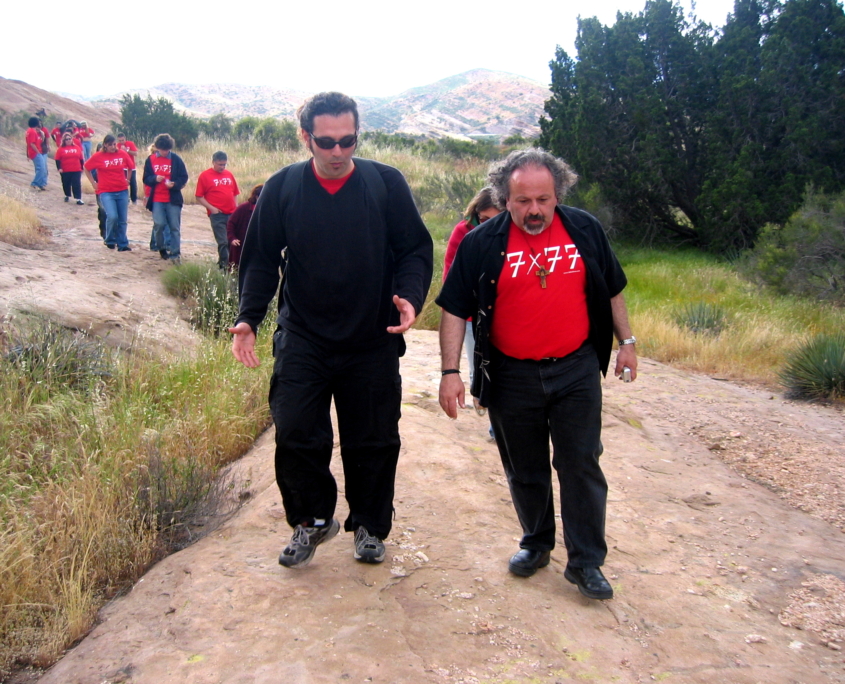
July 7 is a very special day for us at Epostle.net. It was on July 7, 2007 that we organized the first-ever forgiveness day international conference, under the In His Shoes banner, featuring speakers from Rwanda, Armenia and Mexico, events, discussions with scholars and produced a human chain of sevens. The day was numerically written as 7/7/7 which corresponded to Jesus’ answer to Peter’s question, Lord, how oft shall my brother sin against me, and I forgive him? till seven times?”
“I say to you, not seven times,” answered Jesus, “But, until seventy-seven times seven.” (Matthew 18:21-22)
Certainly, the numbers are irrelevant. That is, 7×77 is not to be worked out at 539, but as a code for countless. Jesus puts it out as the Christian imperative: Forgive, without limits. Further, he assures us that our Father in Heaven forgives us our trespasses, by the same scale that we forgive those who trespass against us.
Forgiveness is the hallmark and calling card of Christianity. It is central to understanding the power of Jesus’ message for peace and harmony in the world. The date is merely a pointer, a way of remembering that our only hope – whether for individual relationships, or to achieve global harmony – our only hope is through this ultimate weapon of love.
Today’s one-minute for Summertime.
If you’d like to learn more about the international conference on forgiveness? Visit the links below.
Աղոթքի մասին մեր ամենօրյա պատգամում մենք աղոթքը սահմանեցինք որպես զրույց, որը ենթադրում է թե՛ խոսել, թե՛ լսել։ Լսելու արվեստը միայն ականջների գործառույթով չի սահմանափակվում։ Օրինակ՝ Տերունական աղոթքում մեր հանցանքների կամ մեղքերի թողության խնդրանքը կախված է նրանից, թե որքանով եք Դուք կարողանում ներել նրանց, ովքեր մեղանչել են Ձեր դեմ։
Լսելու գործողությունը, այս դեպքում, պահանջում է, որ Դուք խորհրդածեք ներողամտության Ձեր սկզբունքի շուրջ։ Լսել նշանակում է անդրադառնալ բոլոր նրանց, ովքեր ցավեցրել են Ձեզ, «մեղանչել» Ձեր դեմ, և անկեղծորեն հարցնել ինքներդ Ձեզ՝ արդյոք ներե՞լ եք նրանց։ Քանզի Աստծուց ներում ստանալու պայմանը կախված է ուրիշներին Ձեր ներելուց։ «Թող մեզ մեր պարտքերը, ինչպես մենք ենք թողնում մեր պարտապաններին»։ Արդյոք ներե՞լ եք նրանց պարտքի կեսը։ Այդ դեպքում կարող եք ակնկալել, որ Աստված կների Ձեր պարտքի կեսը։ Այլ կերպ ասած՝ ասելով «Թող մեզ մեր պարտքերը, ինչպես մենք ենք թողնում մեր պարտապաններին», Դուք պատասխանատու եք Ձեր իսկ պարգևի կամ դատապարտման համար։ Ձեր իսկ բերանով Դուք գրում եք խաղաղության տոմսը կամ տանջանքի ուղին։ Իրականում, այս պայմանն այնքան մեծ է, որ Հիսուսը կրկնում է այն «Տերունական աղոթքի» ավարտին։ Մատթեոս 6:14-15-ում Հիսուսը Տերունական աղոթքին ավելացնում է այս տողերը. «Եթե դուք մարդկանց ներեք իրենց հանցանքները, ապա ձեր երկնավոր Հայրը նույնպես կների ձեզ։ Իսկ եթե մարդկանց չներեք, ապա ձեր Հայրն էլ չի ներելու ձեր հանցանքները»։
Listening is the act of introspection. God talks to us on a multitude of levels – think of them as different frequencies and bandwidths. Don’t expect to hear the thunderous voice of God, if you first haven’t heard His soft whisper in your heart. It’s a voice that says look within, forgive and move forward. Converse with God and remember to listen, especially with your heart.
Ձեզ հետ կիսում եմ Սուրբ Ներսես Շնորհալու աղոթքը՝ 23-րդ ժամից.
Ամենագութ Տեր, ողորմե՛ք Ձեր բոլոր հավատացյալներին, թե՛ իմ մտերիմներին, թե՛ օտարներին, թե՛ նրանց, ում ճանաչում եմ, և թե՛ նրանց, ում չեմ ճանաչում, թե՛ ողջերին և թե՛ հանգուցյալներին։ Ներե՛ք իմ բոլոր թշնամիներին և ինձ ատողներին այն հանցանքների համար, որոնք գործել են իմ դեմ, հեռացրե՛ք նրանց իմ հանդեպ տածած չարությունից, որպեսզի նրանք արժանի լինեն Ձեր ողորմությանը։
Cover: St. Gregory, Yerevan, 2023 Luna & Gregory Beylerian
The remembrance of saints is an important and essential part of Armenian Church Tradition. Saints are not God or gods, far from it. They are people – flesh and blood, like you and me, with the freedom to exercise their will according to their conscience. They are the ones who opt for the difficult path of life with faith. We commemorate them because as humans, with all the frailties that come with being human, they demonstrated godly expressions of living.
Saints days are interspersed on the calendar throughout the year. Today, the Armenian Church remembers St. Peprone (or Phebronia), Mariana, and Shoushan, the daughter of Vartan the Great. Each of these saints has a story in which they rose from their human condition and demonstrated an extra ordinary love for God and people.
In remembering the saintly stories from yesteryears, we can’t ignore the stories of today. A few days ago, at a nationally televised funeral of Charlie Kirk, his wife, Erika in reflecting on their life together and the faith they shared, went on to forgive her husband’s assassin.
In tears she said, “…on the cross, our Savior said, “I forgive them for they know not what they do.” That man, that young man, I forgive him. I forgive him for they know not what they do. I forgive him because it was what Christ did and is what Charlie would do. The answer to hate is not hate. The answer we know from the Gospel is love and always love. Love for our enemies and love for those who persecute us.”
In a country that is divided, in an atmosphere of volitivity, amid the incomprehensible acts of violence, and against the backdrop of an ignored genocide on the other side of the globe, these words were a welcome and needed expression for the world. If only we have ears to hear.
For all we do and say at Epostle, and for every sermon and advice I have given, had I not remembered this small expression from this weekend, the saints and lives of the past would not shine.
Forgiveness. It is the hallmark of Christianity. It is the higher and divine grace that saves us from our past and from ourselves. Forgive us our trespasses as we forgive those who trespass against us. Amen.
Armodoxy for Today: 10x One Minutes on the Lord’s Prayer, Part 8 -As we Forgive Others
The one request in the Lord’s Prayer that is conditional is in regard to forgiveness. Forgiveness is granted by God, Jesus tell us, on the same standard by which we forgive those who trespass against us. As we learned in yesterday’s message, the measure and degree of forgiveness for us is dependent on our ability to forgive others. So great is this one provision and the understanding of forgiveness, that Jesus spells it out very plainly at the end of the prayer.
Not quite an addendum to the prayer, rather as an elucidation of the concept that is central to Jesus’ teaching — that God works through us. He says, “For if you forgive other people when they sin against you, your heavenly Father will also forgive you.But if you do not forgive others their sins, your Father will not forgive your sins. (Matthew 6:14-15)
Forgiveness is the Christian mandate. Today’s one minute for Summertime.
https://epostle.net/wp-content/uploads/2025/07/forgive-others-745.jpg11251125Վազգեն Մովսեսյանhttps://epostle.net/wp-content/uploads/2022/07/final_logo_large_for_epostle_web-300x189.pngՎազգեն Մովսեսյան2025-07-23 00:02:572025-07-22 21:21:35Ինչպես մենք ենք ներում - 8-ը 10-ից
Armodoxy for Today: 10x One Minutes on the Lord’s Prayer, Part 7- Forgive us our debts
Trespasses, debts, we’ve heard both these words used in the English translation of the Lord’s Prayer. Whether it is something you owe, such as a debt, or something you’ve violated, we ask to be forgiven of our debts and our trespasses. It is the one statement in the prayer that is conditional. We ask God to forgive us our sin by the weight and measure by which we forgive others. “Forgive us our debts, as we forgive our debtors.” If I forgive my debtor only half of his or her debt, I can be assured to be forgiven half of my debt. Understood this way, we come to understand that our forgiveness, our being cleaned of debt, is completely in our hands. Very clearly, Jesus is guaranteeing us a clean slate, complete and total forgiveness of sin, to the point that you do not have to second guess it. Whatever is hanging around your neck is released, provided, you release the debt of those who owe you.
Like all of Christianity, we are called to responsibility through our actions.
Today’s one minute on the Lord’s Prayer, for Summertime.
https://epostle.net/wp-content/uploads/2025/07/Debt-Exchange-744.jpg11251125Վազգեն Մովսեսյանhttps://epostle.net/wp-content/uploads/2022/07/final_logo_large_for_epostle_web-300x189.pngՎազգեն Մովսեսյան2025-07-22 00:01:272025-07-21 21:52:58Ներիր մեր պարտքերը - 10-ից 7-րդ
July 7 is a very special day for us at Epostle.net. It was on July 7, 2007 that we organized the first-ever forgiveness day international conference, under the In His Shoes banner, featuring speakers from Rwanda, Armenia and Mexico, events, discussions with scholars and produced a human chain of sevens. The day was numerically written as 7/7/7 which corresponded to Jesus’ answer to Peter’s question, Lord, how oft shall my brother sin against me, and I forgive him? till seven times?”
“I say to you, not seven times,” answered Jesus, “But, until seventy-seven times seven.” (Matthew 18:21-22)
Certainly, the numbers are irrelevant. That is, 7×77 is not to be worked out at 539, but as a code for countless. Jesus puts it out as the Christian imperative: Forgive, without limits. Further, he assures us that our Father in Heaven forgives us our trespasses, by the same scale that we forgive those who trespass against us.
Forgiveness is the hallmark and calling card of Christianity. It is central to understanding the power of Jesus’ message for peace and harmony in the world.
It doesn’t escape us that this year, the numbers once again line-up as 7/7/25, the sum of the 2-5 are yet another seven. It is merely a pointer, a way of remembering that our only hope – whether for individual relationships, or to achieve global harmony – our only hope is through this ultimate weapon of love.
Today’s one-minute for Summertime.
If you’d like to learn more about the international conference on forgiveness? Visit the links below.
Որպես Քրիստոսի չարչարանքների պատմության մաս՝ գրեթե բոլորը գիտեն, որ Սիմոն Պետրոսը երեք անգամ ուրացավ Հիսուսին։ Ամենավճռական պահին, երբ Հիսուսին դատում, դատապարտում և մահվան էին ուղարկում, Պետրոսը՝ Նրա մտերիմ ընկերն ու աշակերտը, հրաժարվում է Հիսուսին ճանաչելուց։ Քչերը գիտեն, որ Հարությունից հետո Պետրոսը հնարավորություն ունեցավ ցույց տալու իր զղջումը՝ հայտնելով իր սերը Տիրոջ հանդեպ։ Հովհաննեսի Ավետարանում (21) մենք հետևում ենք Հիսուսի և Նրա աշակերտ Սիմոն Պետրոսի երկխոսությանը։
Երբ նախաճաշեցին, Հիսուս Սիմոն Պետրոսին ասաց. «Սիմո՛ն, Հովնանի՛ որդի, ինձ ավելի՞ ես սիրում, քան սրանք»։
Նա ասաց Նրան. «Այո՛, Տե՛ր, Դուք գիտեք, որ ես սիրում եմ Ձեզ»։
Նա ասաց նրան. «Արածեցրե՛ք Իմ գառները»։
Երկրորդ անգամ էլ ասաց նրան. «Սիմո՛ն, Հովնանի՛ որդի, սիրո՞ւմ ես Ինձ»։
Նա ասաց Նրան. «Այո՛, Տե՛ր, Դուք գիտեք, որ ես սիրում եմ Ձեզ»։
Նա ասաց նրան. «Հովվե՛ք Իմ ոչխարները»։
Երրորդ անգամ ասաց նրան. «Սիմո՛ն, Հովնանի՛ որդի, սիրո՞ւմ ես Ինձ»։ Պետրոսը տրտմեց, որ երրորդ անգամ ասաց նրան՝ «Սիրո՞ւմ ես Ինձ»։
Եվ նա ասաց Նրան. «Տե՛ր, Դուք ամեն ինչ գիտեք. Դուք գիտեք, որ ես սիրում եմ Ձեզ»։
Հիսուս ասաց նրան. «Արածեցրե՛ք Իմ ոչխարները»։
Ոմանք այս դրվագը անվանում են Պետրոսի վերականգնում. նա երեք անգամ ուրացավ Հիսուսին, իսկ այժմ երեք անգամ հայտնում է իր սերը, իսկ ոչխարների փոխաբերությունը վերաբերում է Եկեղեցում նրա հովվական պաշտոնին։ Մենք սա անվանում ենք ներում՝ մաքուր և պարզ, այնպիսի կերպով, որը միայն Աստված կարող է շնորհել և միայն Աստված կարող է հասկանալ։
Հիսուսը ներման մասին էր։ Ներման պատգամը ուսուցանվում էր խոսքերով, ապա Նա ցույց տվեց դա Խաչի վրա և Հարությունից հետո, երբ ներեց իր ընկերոջը՝ Պետրոսին։ Կյանքում մենք հաճախ ենք լսում մարդկանց կողմից կատարված սարսափելի արարքների մասին, սակայն նրանց ներումը նրանց և Աստծո միջև է։
Աղոթենք. Գաղտնիքներ ճանաչող, մեղանչել եմ Քեզ դեմ՝ կամա և ակամա, գիտությամբ և անգիտությամբ։ Շնորհի՛ր ներում ինձ՝ մեղավորիս. քանզի ծննդյանս օրից, սուրբ մկրտությամբ մինչև այսօր, մեղանչել եմ Քո առաջ, Տե՛ր, իմ բոլոր զգայարաններով և մարմնիս բոլոր անդամներով։ Ողորմի՛ր Քո արարածներին և ինձ՝ մեղավորիս։ Ամեն։
Armodoxy for Today: Applying the Father — Day 17 of Lent
We continue learning from the Parable of the Prodigal Son (Luke 15) and today, continue on the character of the father. Yesterday we spoke of him as expression of the love of our Heavenly Father. Today, we understand the importance of this Lenten Season as we apply the father’s love to our lives.
The Prodigal’s father’s actions tell us what is required of us in our relationships, not necessarily with children, but with one another. There are people who have hurt us. The degrees of hurt are not consequential. Perhaps we have cried over a misspoken word, or we have been devastated by betrayal. The hurt has left a chasm in our relationships with others. We have all created divisions between ourselves and God by virtue of our actions or inaction, yet God has given us a way back. We too must do the same and leave doors open for those people to return back to us. In other words, an end to grudges is in order. Don’t get caught up in foolish pride. Leave doors open without expecting someone to walk through. Don’t wait for those who have hurt you to return, just know that deep down there are many desires that may not be understood. If the door is open, they may return and when they do you must and will embrace them.
The heart is speaking to you. Do not think with your mind. Be ready to take in. Be ready to embrace, to hug, to suffocate them with the love that is in your heart. This is the example that Jesus gives us through the character of the father in the Parable. On the one hand it is showing us what our Heavenly Father does, and the example for us to do likewise to those in our lives. On the other hand we have prayed, “Forgive us our trespasses as we forgive those who have trespassed against us.” God forgives us. We, therefore, have to be forgiving of others.
Your act of charity today is to open doors you have shut. Fast from locks that keep doors shut and relationships from continuing.
On the Lenten menu today is Asian Noodles with Edamame
Let us pray, from St. Gregory of Narek (12) [Lord] Inscribe your name on the skylight of my abode. Cover the roof of my temple with your hand. Mark the threshold of my cell with your blood. Imprint the outside of my door with your sign. Protect the mat where I rest with your right hand. Amen. (Translated by Thomas J. Samuelian)
https://epostle.net/wp-content/uploads/2025/03/IMG_5742.jpg13652048Վազգեն Մովսեսյանhttps://epostle.net/wp-content/uploads/2022/07/final_logo_large_for_epostle_web-300x189.pngՎազգեն Մովսեսյան2025-03-19 00:01:492025-03-18 21:43:55Հոր կիրառումը. 40 օրից 17-րդ օրը