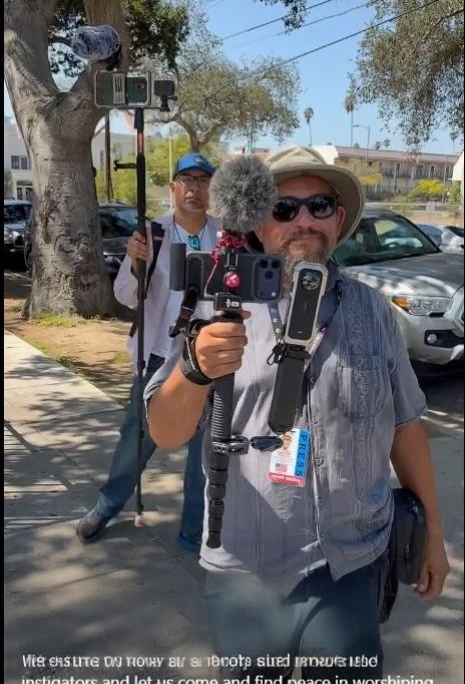
Հաջորդ քայլը #817 – 15 օգոստոսի, 2026 թ. – Սուրբ Մարիամի Վերափոխման տոնն այս շաբաթ պատված է աղմուկի մի ալիքով, որը շեղում է մեզ նրա հիմնական պատգամից։ Որպես ՍԵՐ ծնող անձի՝ դժվար է նրան գտնել այս աղմուկի մեջ։ Նա գալիս է հռոմեական կաթոլիկ ավանդույթի «Յոթ վշտերի» ավանդույթից և Գյումրիի մի եկեղեցուց, որը ծառայել է թե՛ Հայ Առաքելական, թե՛ Հռոմեական կաթոլիկ եկեղեցիներին։ Հայր Վազգենը ներկայացնում է Մարիամի յոթ վերքերի մասին իր քարոզի նախաբանը։ Բայց նախ՝ ժողովրդավարության նոր ինքնակոչ պահապանները հայկական եկեղեցին ընտրել են որպես հեշտ թիրախ (հմմտ. Էփշտեյնի ֆայլերը, ցեղասպանությունը և այլն)։ Ձգտելով ազդեցիկ անձի կարգավիճակի՝ նրանք բաց են թողնում ավելի վեհ բանի հետ կապվելու հնարավորությունը։ Եվ ավելին...
Լուսանկար՝ ֆեյսբուքյան գրառումից. Ազատության ինքնակոչ պաշտպանները բռնությամբ ներխուժում են հայկական եկեղեցու առջև։ >
https://epostle.net/wp-content/uploads/2026/08/Copilot_20260815_162455-e1786936973442.png14621024Վազգեն Մովսեսյանhttps://epostle.net/wp-content/uploads/2022/07/final_logo_large_for_epostle_web-300x189.pngՎազգեն Մովսեսյան2026-08-15 17:09:392026-08-15 17:09:39Աղմուկ Սուրբ Մարիամի շուրջ
Հայ եկեղեցու սովորույթներից ու ավանդույթներից է Սուրբ Աստվածածնի Վերափոխման տոնին խաղողօրհնեքի արարողությունը։ Հիսուսն օգտագործում է խաղողի և որթատունկի փոխաբերությունը՝ նկարագրելու համար Իր և Իր հետևորդների հարաբերությունները։ Մենք հաջորդ շաբաթ ավելի խորությամբ կանդրադառնանք այդ թեմային, իսկ այսօր եկեք կենտրոնանանք այն հարցի վրա, թե ինչու է խաղողօրհնեքը կապված Սուրբ Աստվածածնի հետ։
Հաշվի առնելով Հայաստանի կլիմայական պայմանները՝ խաղողի առաջին բերքը հասունանում էր օգոստոսի կեսերին, ինչը Վերափոխման տոնը դարձնում էր հարմար ժամանակ՝ երկրագործների համար իրենց առաջին բերքը որպես երախտագիտության նշան եկեղեցուն ընծայելու համար։ Քահանան օրհնում էր այս ընծան՝ գոհաբանական աղոթքով շնորհակալություն հայտնելով բարենպաստ եղանակի և բերրի հողի համար։ Այնուհետև օրհնված խաղողը եկեղեցու միջոցով բաժանվում էր համայնքին։
Առաջին բերքը ոչ թե մնացուկներն էին, այլ բերքի լավագույն մասը։ Ձեր լավագույնը պետք է ընծայեք Աստծուն՝ ձեր ունեցվածքը, աշխատանքը, եռանդն ու տաղանդները, որոնք Եկեղեցու միջոցով բաշխվում են համայնքի անդամների միջև։ Սուրբ Մարիամը, ով Քրիստոսին ճանաչում էր դեռ արգանդից մինչև Հարություն, առաջին քրիստոնյան էր։ Այս օրը մենք ընծայում ենք մեր աշխատանքի առաջին պտուղները։
Այսօրվա մեկ րոպեն՝ ամառային ժամանակի համար։
https://epostle.net/wp-content/uploads/2025/08/Vineyard-762.jpg11251125Վազգեն Մովսեսյանhttps://epostle.net/wp-content/uploads/2022/07/final_logo_large_for_epostle_web-300x189.pngՎազգեն Մովսեսյան2026-08-15 00:10:252026-08-13 21:19:02Ինչու՞ կապել խաղողը Մարիամի հետ
Հայկական ավանդույթի մեջ Սուրբ Աստվածածինը բազմաթիվ անուններ ունի, որոնց իմաստները սերնդեսերունդ ոգեշնչել են հավատացյալներին: Այդ նկարագրական անունները հայկական ավանդույթում տրվել են նաև աղջիկներին որպես սեփական անուններ: Դրանցից են՝ Սրբուհի՝ Սուրբը, Լուսաբեր՝ Լույս բերողը, Տիրուհի՝ Սուրբ Տիրուհին, Մաքրուհի՝ Մաքուրը, Իմաստուհի՝ Իմաստունը, Գեղեցիկ՝ Գեղեցկուհին, Անարատ՝ Անարատը... և ցանկը շարունակվում է:
Այս նկարագրական անուններն ընդգծում են Սուրբ Աստվածածնի առաքինությունները և մեզ համար դառնում են ուղենիշներ, որոնցով մենք կերտում ենք մեր կյանքը՝ սրբությամբ, լույսով, մաքրությամբ, իմաստությամբ և գեղեցկությամբ:
Սակայն ամենատարածված անունը, որով Նրան հիշատակում են Հայ Եկեղեցում, նկարագրական է և սահմանող: Այն Աստվածածին անունն է, այսինքն՝ Աստված կրողը: Ինչպես բոլոր անունների, այնպես էլ հատկապես Աստվածածին անվան դեպքում շեշտադրումը ոչ թե Նրա, այլ Նրա արգանդի պտղի՝ Հիսուսի վրա է:
Այսօրվա մեկ րոպեն՝ ամառային ժամանակի համար։
https://epostle.net/wp-content/uploads/2026/01/Marys-Acceptance-875.jpg345345Վազգեն Մովսեսյանhttps://epostle.net/wp-content/uploads/2022/07/final_logo_large_for_epostle_web-300x189.pngՎազգեն Մովսեսյան2026-08-14 00:10:042026-08-11 22:09:24Մարիամ, անունը
Երբ լեգենդար «Բիթլզ» ռոք խումբը ձայնագրեց «Let it Be» երգը, Փոլ Մաքքարթնիի ձայնը շատ նուրբ երանգ հաղորդեց դաշնամուրի հնչյուններին։ «Երբ ես ինձ դժվարին պահերի մեջ եմ գտնում,- երգում էր նա,- Մայր Մարիամը գալիս է ինձ մոտ»։
Երբ երգը թողարկվեց, ես 12 տարեկան էի։ Այն գեղեցիկ և հուզիչ ստեղծագործություն էր։ Հիշում եմ՝ մտածում էի, որ նույնիսկ նա՝ «Բիթլզ»-ի անդամներից մեկը, և հետևաբար՝ ամբողջ խումբը, կիսում էին այն առանձնահատուկ տեղը, որ Մայր Մարիամն ունի մեր կյանքում։
Տարիներ, գուցե նույնիսկ տասնամյակներ անց, Մաքքարթնին հարցազրույցներից մեկում կիսվեց, որ երգի տողերը վերաբերում էին իր մորը՝ Մերի Մաքքարթնիին, որը մահացել էր հիվանդությունից՝ երգչի կյանքի վաղ շրջանում։ Այդ բառերով նա արտահայտում էր իր մոր հանդեպ ունեցած կարոտը։
Այս շաբաթ սկսվում է Սուրբ Մարիամ Աստվածածնի Վերափոխման տոնի նախապատրաստությունը։ Մենք բոլորս էլ կարոտ ունենք դեպի Սուրբ Մայրը։ Մենք կպատրաստվենք տոնին՝ մեր ուշադրությունը սևեռելով նրա և նրա պատմության վրա։
Այսօրվա մեկ րոպեն՝ ամառային ժամանակի համար։
https://epostle.net/wp-content/uploads/2026/08/Mary-on-the-Keys-scaled.jpg15582560Վազգեն Մովսեսյանhttps://epostle.net/wp-content/uploads/2022/07/final_logo_large_for_epostle_web-300x189.pngՎազգեն Մովսեսյան2026-08-12 00:10:322026-08-11 22:02:00Թող լինի Մայր Մարիամը
Հիսուսի մայրը՝ Մարիամը, Եկեղեցու բոլոր սրբերի մեջ առաջինն է։ Հայ Եկեղեցում նրան անվանում են Աստվածածին կամ Աստվածամայր։ Այս տիտղոսներն ավելի շատ խոսում են մեր հավատքի մեջ Հիսուս Քրիստոսի գերակայության, քան հենց Մարիամի մասին, սակայն դրանք մատնանշում են այն խորին հարգանքը, որով մենք մոտենում ենք Սուրբ Աստվածամորը։
Քրիստոնեական պատմության մեջ եզակի՝ Մարիամն Աստծո կողմից ընտրվել է Քրիստոս Մանուկին կրելու համար։ Սուրբ Գրքում մենք Մարիամին հանդիպում ենք Ավետման, Ծննդյան, Հիսուսի պատանեկության և, վերջապես, Խաչելության ժամանակ՝ Խաչի ստորոտին, երբ նա դիտում է, թե ինչպես են իր զավակին ծեծում, տանջում և սպանում հենց այն մարդիկ, որոնց փրկելու համար Նա եկել էր։ Ըստ Սուրբ Գրքի՝ Մարիամը Հիսուսի կյանքի միակ վկան է «օրորոցից մինչև գերեզման»։ Թեև հնարավոր է, որ Հովսեփն էլ նույնքան ապրած լինի, սակայն նրա կյանքի մասին 12 տարեկան Հիսուսի պատմությունից հետո մանրամասներ չկան (Ղուկաս 2:41-49)։
Թեև դարերի ընթացքում շատ բան է ասվել և գրվել Մարիամ Աստվածածնի մասին, նրա պատմությունը պարզ է և տեղի է ունենում Մատթեոսի և Ղուկասի Ավետարանների առաջին երկու գլուխներում։ Ավելին, Մարիամի պատմության պարզությունը կարելի է ամփոփել մեկ բառով՝ «Այո»։ Մարիամը՝ Աստծո Սուրբ Մայրը, հարգված և առանձնացված է բոլոր սրբերից՝ Աստծո հրավերին իր ասած պարզ ու քաջարի «Այո»-ի շնորհիվ։
Այդ «այո»-ի պատմությունը չի կարող ավելի պերճախոս արտահայտվել, քան Սուրբ Ղուկասի Ավետարանում (գլուխ 1), երբ հրեշտակը հայտնում է նրան, որ նա հղիանալու է մի երեխայով՝ «Բարձրյալի Որդով»։ Մարիամը պատասխանում է հրեշտակին. «Ինչպե՞ս կարող է դա լինել, քանի որ ես տղամարդ չեմ ճանաչում»։
Հրեշտակը պատասխանեց և ասաց նրան. «Սուրբ Հոգին կգա քեզ վրա, և Բարձրյալի զորությունը հովանի կլինի քեզ...»։ Այնուհետև լսվում է Մարիամի դրական պատասխանը. «Ահավասիկ ես Տիրոջ աղախինն եմ. թող ինձ լինի քո խոսքի համաձայն»։ Եվ հրեշտակը հեռացավ նրանից։
Մարիամի «Այո»-ն հրեշտակին պարզ է, բայց հզոր։ Թվում է, թե այն հեշտությամբ է դուրս եկել նրա շուրթերից, սակայն այն արտաբերելու համար պահանջվել է ողջ կյանքի քաջություն։ Հիշե՛ք, որ մենք խոսում ենք 2000 տարի առաջվա Մերձավոր Արևելքի մասին։ Այս պատմությունը 21-րդ դարի ԱՄՆ-ում չէ։ Ամուսնությունից դուրս հղիության համար սահմանված պատիժը մահն էր, չհաշված այն նվաստացումը, անարգանքը և խարանը, որ այն բերում էր ընտանիքի վրա։ Ինչպես իրական, այնպես էլ հոգեբանական ճնշումը «Ոչ» ասելու համար մեծ էր, ուստի այդ «Այո»-ի արժեքն անչափելի էր։ Եվ այսպես, նրա «Այո»-ն փոխեց մարդկության պատմության ընթացքը, քանզի նրանից ծնվեց մի մանուկ, որ Աստծո Որդին է։
Այժմ հրավիրե՛ք Մարիամի գործողությունը Ձեր 21-րդ դար։ Ամեն օր և ամեն պահ մեզանից պահանջվում է Քրիստոսին բերել այս աշխարհ։ Քրիստոսը սիրո մարմնացումն է։ Սիրելով, հոգ տանելով, ուրիշների կարիքների նկատմամբ կարեկից լինելով՝ մենք Քրիստոսին բերում ենք այս աշխարհ, մենք «այո» ենք ասում Աստծուն։ Դա այդքան պարզ է։ Իսկ դրա դժվարության աստիճանը կախված է մեզանից։ «Արմոդոքսին» (Armodoxy) վկայությունն է այն ժողովրդի, որն ընտրել է Քրիստոսին աշխարհին ներկայացնելու ուղին։ Հեշտ չի եղել, բայց վարձատրությունը մեծ է եղել։ Հայոց Եկեղեցու յուրաքանչյուր խորան կրում է Սուրբ Մարիամի պատկերը, որը աշխարհին է ներկայացնում և ընծայում Հիսուս Քրիստոսին՝ Սերը։ Յուրաքանչյուր խորան հիշեցում է, որ այս «այո»-ն փոխում է մարդկության պատմությունը։
Մենք աղոթում ենք. «Տե՛ր Հիսուս Քրիստոս, Քո սուրբ մայրը «այո» ասաց Քեզ կրելու և աշխարհին ներկայացնելու հրավերին։ Դու եկար խավարի աշխարհ և լույս բերեցիր, եկար ատելության աշխարհ և սեր քարոզեցիր։ Ես այսօր «այո» եմ ասում՝ ցավող աշխարհին լույս և սեր բերելու համար։ Լուսավորե՛ք իմ կյանքը, առաջնորդե՛ք ինձ Ձեր սիրո ուղիներով, միշտ։ Ամեն»։
Մեր առջև սպասվող տոնին նախապատրաստվելու այս չորրորդ օրը մենք կենտրոնանում ենք մարդկության պատմության մեջ Սուրբ Մարիամի զբաղեցրած բացառիկ տեղի վրա։
Կիրակի օրը մենք նշում ենք Վերափոխման տոնը։ Ըստ Ավանդության՝ երբ Սուրբ Աստվածածինը վախճանվեց, Բարդուղիմեոս առաքյալը բացակայում էր նրա հուղարկավորությանը մասնակցող առաքյալների խմբից։ Երուսաղեմ վերադառնալով՝ նա խնդրեց այցելել գերեզման՝ հարգանքի տուրք մատուցելու համար Բարեհիշատակ Սուրբ Մորը։ Երբ նրանք գտան գերեզմանը դատարկ, պարզվեց, որ նա ինքնին Քրիստոսի կողմից «վերափոխվել» է Երկինք։ Այդ իսկ պատճառով տոնը կոչվում է Սուրբ Աստվածածնի Վերափոխման տոն։
Վերափոխում և Աստվածածին բառերը փառաբանում են Նրան, Ով ճանաչում էր Հիսուսին «օրրանից մինչև գերեզման» սահմաններից առաջ և հետո։ Սուրբ Մարիամը ճանաչում էր Քրիստոսին արգանդից մինչև Հարություն և մինչև իր իսկ Վերափոխումը։ Հրեշտակների խոսքերով՝ նա բարեշնորհ է, Տերը նրա հետ է, օրհնյալ է նա կանանց մեջ (Ղուկաս 1:28)։
Այսօրվա մեկ րոպեն՝ ամառային ժամանակի համար։
https://epostle.net/wp-content/uploads/2025/08/Utah-761-e1755145355218.jpg8781123Վազգեն Մովսեսյանhttps://epostle.net/wp-content/uploads/2022/07/final_logo_large_for_epostle_web-300x189.pngՎազգեն Մովսեսյան2025-08-14 00:01:442025-08-13 21:23:21Օրրանից մինչև գերեզման՝ ավելին
Հայկական ավանդույթի մեջ Սուրբ Աստվածածինը բազմաթիվ անուններ ունի, որոնց իմաստները սերնդեսերունդ ոգեշնչել են հավատացյալներին: Այդ նկարագրական անունները հայկական ավանդույթում տրվել են նաև աղջիկներին որպես սեփական անուններ: Դրանցից են՝ Սրբուհի՝ Սուրբը, Լուսաբեր՝ Լույս բերողը, Տիրուհի՝ Սուրբ Տիրուհին, Մաքրուհի՝ Մաքուրը, Իմաստուհի՝ Իմաստունը, Գեղեցիկ՝ Գեղեցկուհին, Անարատ՝ Անարատը... և ցանկը շարունակվում է:
Այս նկարագրական անուններն ընդգծում են Սուրբ Աստվածածնի առաքինությունները և մեզ համար դառնում են ուղենիշներ, որոնցով մենք կերտում ենք մեր կյանքը՝ սրբությամբ, լույսով, մաքրությամբ, իմաստությամբ և գեղեցկությամբ:
Սակայն ամենատարածված անունը, որով Նրան հիշատակում են Հայ Եկեղեցում, նկարագրական է և սահմանող: Այն Աստվածածին անունն է, այսինքն՝ Աստված կրողը: Ինչպես բոլոր անունների, այնպես էլ հատկապես Աստվածածին անվան դեպքում շեշտադրումը ոչ թե Նրա, այլ Նրա արգանդի պտղի՝ Հիսուսի վրա է:
Այսօրվա մեկ րոպեն՝ ամառային ժամանակի համար։
https://epostle.net/wp-content/uploads/2025/08/MJ-Madonna-1-e1755063691530.jpg836973Վազգեն Մովսեսյանhttps://epostle.net/wp-content/uploads/2022/07/final_logo_large_for_epostle_web-300x189.pngՎազգեն Մովսեսյան2025-08-13 00:01:292025-08-13 14:55:56Ի՞նչ կա անվան մեջ
Երբ լեգենդար «Բիթլզ» ռոք խումբը ձայնագրեց «Let it Be» երգը, Փոլ Մաքքարթնիի ձայնը շատ նուրբ երանգ հաղորդեց դաշնամուրի հնչյուններին։ «Երբ ես ինձ դժվարին պահերի մեջ եմ գտնում,- երգում էր նա,- Մայր Մարիամը գալիս է ինձ մոտ»։
Երբ երգը թողարկվեց, ես 12 տարեկան էի։ Այն գեղեցիկ և հուզիչ ստեղծագործություն էր։ Հիշում եմ՝ մտածում էի, որ նույնիսկ նա՝ «Բիթլզ»-ի անդամներից մեկը, և հետևաբար՝ ամբողջ խումբը, կիսում էին այն առանձնահատուկ տեղը, որ Մայր Մարիամն ունի մեր կյանքում։
Տարիներ, գուցե նույնիսկ տասնամյակներ անց, Մաքքարթնին հարցազրույցներից մեկում կիսվեց, որ երգի տողերը վերաբերում էին իր մորը՝ Մերի Մաքքարթնիին, որը մահացել էր հիվանդությունից՝ երգչի կյանքի վաղ շրջանում։ Այդ բառերով նա արտահայտում էր իր մոր հանդեպ ունեցած կարոտը։
Այս շաբաթ սկսվում է Սուրբ Մարիամ Աստվածածնի Վերափոխման տոնի նախապատրաստությունը։ Մենք բոլորս էլ կարոտ ունենք դեպի Սուրբ Մայրը։ Մենք կպատրաստվենք տոնին՝ մեր ուշադրությունը սևեռելով նրա և նրա պատմության վրա։
Արմոդոքսիան այսօր. Մյուռոնը մսուրից մինչև Հարություն
Հայաստանն օրհնվեց Քրիստոսի երկու առաքյալների՝ Սուրբ Թադեոսի և Սուրբ Բարդուղիմեոսի այցելությամբ։ Նրանք Հայաստան եկան Ավետարանը քարոզելու համար՝ միմյանցից երեք-չորս տարվա տարբերությամբ, համապատասխանաբար՝ մ.թ. 41 և 45 թվականներին։ Համեմատության համար նշենք, որ նրանք Հայաստան ժամանեցին Խաչելության և Հարության կյանքը փոխող և պատմությունը կերտող իրադարձություններից 10 տարի անց, որոնց երկուսն էլ ականատես էին եղել։ Երեկ ես պատմեցի Սուրբ Մյուռոնի կազմավորման գործում Թադեոսի դերի մասին։ Սուրբ Բարդուղիմեոսի պատմությունը համարվում է ապոկրիֆ, սակայն ոգեշնչող, և այն ևս մեկ կապ է Հիսուսի և Մյուռոնի միջև։
Երբ Աստվածամայրը՝ Աստվածածինը, վախճանվեց, բոլոր առաքյալները ներկա էին նրա հուղարկավորությանը, բացի Բարդուղիմեոսից։ Երբ Բարդուղիմեոսը վերադարձավ Երուսաղեմ և տեղեկացավ Մարիամ Աստվածածնի վախճանի մասին, նա խնդրեց վերջին անգամ տեսնել սուրբ մարմինը։ Երբ բացեցին գերեզմանը, նրա մարմինն այնտեղ չէր։ Նա իր Որդու կողմից համբարձվեց երկինք։
Հիսուսի մանկության ընթացքում, ինչպես ասում է Սուրբ Գիրքը, շատ իրադարձություններ տեղի ունեցան, և «Մարիամը պահում էր այս ամենը և խորհում իր սրտում» (Ղուկաս 2:19)։ Երբ Հիսուսի պորտալարը ընկավ, Մարիամը պահեց այն ալեբաստրե տուփի մեջ։ Երբ Բարդուղիմեոսը եկավ հարգանքի տուրք մատուցելու Սուրբ Մոր կյանքին, նրան տվեցին այդ տուփը, որը նա պահեց իր սրտին մոտ։
Բարդուղիմեոսն այս տուփը բերեց Հայաստան։ Նա այնտեղ նահատակվեց Հիսուս Քրիստոսի հանդեպ իր հավատքի և նվիրվածության համար։ Մինչ մահապատժի ենթարկվելը, նա կարողացավ փոքրիկ ալեբաստրե տուփը փոխանցել Հայաստանի ընդհատակյա եկեղեցու անդամներին։ Տուփը և դրա պարունակությունը՝ մեր Տիրոջ պորտալարը, գաղտնի պահվում էին Եկեղեցու կողմից մինչև 301 թվականին Սուրբ Գրիգոր Լուսավորչի կողմից Հայաստանի քրիստոնեացումը։ Այդ ժամանակ տուփը հանձնվեց Գրիգորին, որը բարձրացել էր առաքելական գահին որպես գլխավոր եպիսկոպոս։ Գրիգորն այդ ժամանակ օրհնեց Սրբալույս Մյուռոնի առաջին խմբաքանակը և ալեբաստրե տուփի պարունակությունը ավելացրեց յուղի մեջ՝ Թադեոսի բերած յուղի հետ միասին։ Քանի որ յուրաքանչյուր նոր խմբաքանակի մեջ ավելացվում է նախորդը, այնտեղ կան Հիսուս Քրիստոսի ժամանակներից մոլեկուլներ, որոնք իր ԴՆԹ-ի միջոցով անմիջական ֆիզիկական կապ են հաստատում Տիրոջ հետ՝ մսուրից մինչև Հարություն։ Իրոք, Մյուռոնն է այն, ինչը մեզ միավորում է մեկ ընտանիքի մեջ՝ Քրիստոսի ընտանիքի, կամ քրիստոնյաների։ Զարմանալի՞ է արդյոք, որ հայկական ազգանունները վերջանում են «յան» վերջածանցով։ «յան»-ը նշանակում է «...-ի ընտանիքից»։ Այս դեպքում քրիստոնյան Քրիստոսի ընտանիքի անդամ է։
Սրբալույս Մյուռոնի օրհնության ժամանակ Ամենայն Հայոց Կաթողիկոսի կողմից արտասանվող աղոթքներում խառնուրդը կոչվում է «յուղ» այնքան ժամանակ, մինչև ավելացվում է նախորդ խմբաքանակը, որից հետո այն արդեն պատշաճ կերպով կոչվում է Սրբալույս Մյուռոն։
Այսօր աղոթում ենք. «Տե՛ր Հիսուս Քրիստոս, միշտ իմ մտքում պահիր Քո թանկագին և սուրբ խոսքերը, որ «Իմ ընտանիքը նրանք են, ովքեր լսում են Աստծո խոսքը և կատարում այն» (Ղուկաս 8:21)։ Քո սիրելի աշակերտների՝ Բարդուղիմեոսի և Թադեոսի բարեխոսությամբ խնդրում եմ, որ ինձ հետ ամրապնդես Հավատքի, Հույսի և Սիրո առաքինությունները, որպեսզի արժանի լինեմ քրիստոնյա կոչվելու։ Ամեն»։
https://epostle.net/wp-content/uploads/2024/09/33340c60-5f20-417b-87ce-ab54ef2bd983.jpeg10241024Վազգեն Մովսեսյանhttps://epostle.net/wp-content/uploads/2022/07/final_logo_large_for_epostle_web-300x189.pngՎազգեն Մովսեսյան2024-09-18 00:01:162024-09-17 22:58:26Մյուռոն. մսուրից մինչև Հարություն
Արմոդոքսիա այսօր. Սուրբ Մարիամը և խաղողի խորհուրդը
Տատս չորս քույրերից մեկն էր՝ ավագը։ Նրա անունը Մարիամ էր։ Քույրերի անուններն էին՝ Լուսաբեր, Սրբուհի և Տիրուհի։ Չորս քույրերի անուններն էլ բնութագրում էին Սուրբ Մարիամին։ Հայերի շրջանում ոչ մի սուրբ այնքան չի մեծարվում, որքան Սուրբ Մարիամը, և այն փաստը, որ մի ընտանիքում չորս դուստրեր կոչվել են օրհնյալ Մոր անունով, վկայում է այն հարգանքի ու նվիրվածության մասին, որը ժողովուրդը տածում է նրա հանդեպ։
Սուրբ Մարիամին անվանում են Աստվածածին, ինչը նշանակում է Աստված կրող՝ մատնանշելով նրա եզակի դիրքը՝ Աստծո Որդուն՝ Հիսուսին լույս աշխարհ բերելու հարցում։ Մինչ ավանդական եկեղեցիները նշում են Սուրբ Մարիամի Վերափոխման տոնը, միայն Հայ եկեղեցին ունի այդ օրը խաղողօրհնեքի յուրահատուկ ավանդույթը։
Տատս հիշում էր, թե ինչպես էին այդ օրը բերքի առաջին ու լավագույն պտուղները տանում եկեղեցի՝ հատուկ օրհնության։ Պտուղների ընծայումը գոհաբանության արարք էր՝ շնորհակալություն հայտնելով Աստծուն այն օրհնությունների համար, որոնք Նա շնորհել է ժողովրդին՝ եղանակի բարեխառնության, հողի բերրիության և արևի առատության համար, որը խաղող է տալիս։ Նա նույնիսկ հավելում էր, որ քաղաքացիները չէին ուտում խաղողը, մինչև այն չօրհնվեր այդ օրը։
Սուրբ Մարիամի և խաղողի կապի պատճառներից մեկն այն է, որ խաղողը կարող է բազմանալ առանց սերմի, ինչը ակնարկում է կույսից ծննդյան մասին։ Բայց լավագույն պատճառը գալիս է հենց Քրիստոսից, ով ներկայացնում է այս համեմատությունը. «Ես եմ ճշմարիտ որթը, և իմ Հայրը մշակն է։ Ամեն ճյուղ, որ իմ մեջ է և պտուղ չի տալիս, նա կտրում է այն, և ամեն մեկը, որ պտուղ է տալիս, մաքրում է այն, որպեսզի ավելի շատ պտուղ տա։ Մնացե՛ք իմ մեջ, և ես՝ ձեր մեջ։ Ինչպես ճյուղը չի կարող ինքն իրենից պտուղ տալ, եթե որթի մեջ չմնա, այնպես էլ դուք՝ եթե իմ մեջ չմնաք»։ (Հովհաննես 15:1-4)
Քրիստոնյայի կյանքն ամբողջությամբ կախված է Քրիստոսի հետ ունեցած անխախտ կապից։ Հիսուսը ներկայացնում է որթատունկի, ճյուղերի և պտղի պատկերը, իսկ գործող անձը Աստված Հայրն է, որը էտում է ճյուղերը։ Ինչպես հողը, եղանակը և արևի լույսն են անհրաժեշտ համեղ ու հյութալի խաղողի համար, այնպես էլ Հիսուսի՝ Որթատունկի հետ մեր կապն է անհրաժեշտ, որպեսզի մեր կյանքը լինի բովանդակալից ու գեղեցիկ։
Խաղողօրհնեքի արարողությունը արդյունավետության կոչ է։ Աստված մեզ աշխարհ է տվել, և մենք այս գեղեցիկ կյանքի տնտեսներն ենք։ Հայ եկեղեցին վկայում է, որ քրիստոնեությունը այս աշխարհից մյուսին փախչելը չէ, այլ այն գիտակցումը, որ այս աշխարհում մենք՝ բոլորս, այն գործակալներն ենք, որոնք պետք է կատարեն Աստծո կամքը՝ ինչպես երկնքում, այնպես էլ երկրի վրա։
Վերափոխման տոնին մատուցվող խաղողօրհնեքի աղոթքից. Օրհնի՛ր, Տե՛ր, այս խաղողը։ Թող վայելենք այն, ինչ Ստեղծեցիք այս աշխարհում, և շնորհե՛ք, որ արժանի լինենք Ձեզ հետ ուտելու և խմելու Ձեր ամենաբերրի որթատունկի առատությունից՝ Ձեր Հոր Թագավորության սեղանի շուրջ, ըստ Ձեր տված արդար խոստման՝ ի պատիվ և փառք Ձեր համագոյ Երրորդության՝ Հոր, Որդու և Սուրբ Հոգու, որոնց վայել է փառք, զորություն և պատիվ, այժմ և հավիտյանս հավիտենից։ Ամեն։
Եվ սա դեռ ամենը չէ…
https://epostle.net/wp-content/uploads/2024/08/Grape-Glass.jpeg22381593Վազգեն Մովսեսյանhttps://epostle.net/wp-content/uploads/2022/07/final_logo_large_for_epostle_web-300x189.pngՎազգեն Մովսեսյան2024-08-14 00:01:182024-08-13 21:22:11Սուրբ Մարիամ և խաղող