Next Step #807 — Fashion Design Masterclass Interview
with Dr. Talar Tejirian, MD, and Kevork Shadoyan, Fashion Designer
October 5, 2025 Upcoming Masterclass details
Armodoxy for Today: The Magic of Ararat (Part 2 from yesterday)
If your passport was stamped in Armenia with the line-drawing depicting Mount Ararat, you have a collector’s item in your hand as the image has been removed from the official passport-control stamp. Thankfully, the government action can’t erase the meaning that so many have found in that majestic symbol of the Armenian nation. It dates back to the beginning of time. As the resting place of Noah’s Ark (Genesis 8) it’s the second birthplace of humanity and makes for a nice companion to the Garden of Eden, found just down the road (as outlined in Genesis 2:10).
Armenia is a small country at the crossroads of three continents, Asia, Europe and Africa. Every conqueror and would-be conqueror has invaded, raped and pillaged the land and people. And while, many of these people, their tribes and empires have been long forgotten, the small nation of Armenia sits below the watchful eye of Ararat.
Mount Ararat stands 17,000 feet high, with year-round snow caps, casting a shadow on Armenia – a shadow which has acted as an umbrella of hope for everyone it cradles. During the worst of times, it has been a symbol of hope with people casting their gaze at her majesty and dreaming of freedom, perhaps beyond the peaks, or hoping for life and a future.
As I mentioned yesterday, in part one of this message, if by chance the air is foggy or misty, or even a cloud hides the mountain, you’re never farther than a few feet from thousands of decorations, painting, drawings and logos with Ararat’s twin peaks. Coffee shops, souvenirs stores and just about any type of clothing accessory one can imagine has the Ararat mark on it, not to mention cigarettes, cognac and bottled water. Most homes have a picture or two of the sacred mountain hanging, even though they have a clear view of the real deal right outside their window. They have taken the image off of the passport, but the mountain is there. It is unavoidable.
Now the oddity in all of this is that Ararat Mountain is not in the borders of Armenia. Currently, that land is occupied and exists outside Armenia’s borders on international maps. Yet it is recognized as the Armenian mountain, and Armenia is identified by the shape, the stature and image of Ararat. It is connected to a people who do not live on its hallowed hills.
Ararat is a sacred mountain and exudes a mystique by its presence. It mystically ties every Armenian throughout the world to the land. It is magical in the sense that it is not supposed to be there, and it is. A look at its peaks takes the imagination over the top to dream of the impossible.
I started this message in Armodoxy yesterday, defining the word “virtual” as describing something that does not physically exist but is made by software to appear as if it does. Today, in the case of Ararat, it is more like magic, conjuring up images of a history and laying the hopes of tomorrow. They have taken the image off of the passport, but the mountain is there. It’s not going anywhere. It’s the magic of Ararat that asks us to believe.
God, you have created all things with wisdom. You have scattered the wonders of the world around the earth like the scatterings of stars. May the sacred Mt Ararat continue to inspire and allow us to dream of the days to comes. Amen.
«Վիրտուալ» տերմինը վերջին մի քանի տասնամյակների ընթացքում՝ համացանցի տարածման հետ մեկտեղ, նոր իմաստ է ստացել։ Այն օգտագործվում է նկարագրելու համար մի բան, որը ֆիզիկապես գոյություն չունի, բայց ծրագրային ապահովման միջոցով ստեղծվում է այնպես, որ թվում է, թե գոյություն ունի։ Սա նկարագրում է այն ձևը, որով հայերի մեծ մասը հասկանում է Արարատ լեռը։
The mountain range is easily visible from the moment one arrives in Armenia at the Zvartnots Airport and shows itself especially nicely from the capital city of Yerevan. And if by chance the air is foggy or misty, and a cloud covering hides the mountain, Ararat is seen on logos of coffee shops, souvenirs and just about any type of clothing accessory one can imagine. Most homes have a picture of the twin-peaked mountain hanging somewhere in the house, even if they can see it from their window.
Ararat is the theme of songs, and poems. Even during the Soviet years (1920-1991) when nationalism was played down or discouraged with harsh punishment, Ararat was the theme of poem and prose. Armenia’s beloved poet, Yeghishé Charents wrote words that are recited and sung: “Travel the world and there is no white capped peak as beautiful as Ararat … it is the road to glory…
For Armenians, Mount Ararat is a national symbol. This feeling is strongly reinforced in the collective consciousness of the people that Armenians, me included, often forget that the mountain’s claim-to-fame on the international scene is thanks to a reference in the Book of Genesis chapter 8, as the resting place of Noah’s Ark.
A few years back, I was invited to celebrate the Divine Liturgy in Nashville, Tennessee. It is considered a “mission parish” meaning that there is no permanent priest to pastor the small flock. A dear friend picked us up from the airport and on our way to the services we drove past an exit sign on the freeway boldly marked, “Ararat Cemetery next right.” A big smile came on my face. The sign, and the cemetery it pointed to, were indicators that there were Armenians in Tennessee. Any congregation that was running a cemetery must be ready to have graduated from mission parish status, I thought. Of course, I was operating on the notion that Ararat implied Armenian.
Երբ մոտեցանք գերեզմանատանը, ցուցանակի վրա գրված էր՝ «Արարատ բապտիստական գերեզմանատուն»։ Այն, իրականում, ղեկավարվում էր տեղի բապտիստական եկեղեցու կողմից և բացարձակապես հայկական կապեր կամ երանգներ չուներ։ Անունը մատնանշում էր Աստվածաշնչյան լեռը, որն ընդունված է ողջ քրիստոնեության կողմից։
Այն ամենի մեծ մասը, ինչին հավատում ենք, մեզ սովորեցրել են հավատալ։ Ես իմ ողջ կյանքը անցկացրել եմ «Արարատ» պիտակավորված իրերը՝ տեղի ծերանոցից մինչև գազավորված ջուր, ռեստորանից մինչև հողաթափերի տեսակ, կոնյակից մինչև հայ ազգի հետ ասոցացնելով։ Եթե մենք լրացուցիչ քայլ չանեինք՝ ցուցանակին ավելի ուշադիր նայելու համար, ես կապրեի այն պատրանքով, որ Թենեսին հայկական գերեզմանատուն ունի։ Հավատքի հարցերն ավելի կարևոր են, քան պիտակի տակ թաքնվածը բացահայտելը։ Անկախ նրանից՝ գերեզմանատուն է, թե հավատքի դրույթ, մի պահ տրամադրեք՝ պիտակից այն կողմ նայելու համար։
Tomorrow, we’ll look at the magic that comes with Mount Ararat.
Մենք աղոթում ենք Ժամագրքից. «Երկնավոր Թագավոր, իմ հոգին Ձեր խնամքի տակ է ամեն ժամ, և ես ապավինում եմ Ձեր սուրբ Խաչին։ Ես ունեմ սրբերի բազմությունը՝ որպես իմ բարեխոսներ Ձեր առջև։ Դուք համբերատար եք բոլորի հանդեպ, մի՛ անտեսեք նրանց, ովքեր ապավինում են Ձեզ, այլ պաշտպանեք նրանց խաղաղությամբ Ձեր պատվական և Սուրբ խաչով։ Ամեն»։
The negative manner in which commandments are presented in the Old Testament, particularly in the most familiar “Top Ten” commandments, has left the impression that commandments are about restrictions. For instance, we’re familiar with “Thou shall not kill” over “Thou shall revere life.” Or “Thou shall not commit adultery” over “Thou shall be loving and faithful.”
Christ change the negativity tone of the commandments to positive statements promoting action. “Do unto others as you want them to do unto you!” (Matthew 7) “Love the Lord your God with all your heart, mind and soul.” (Mark 12) “Love your enemies and pray for those who persecute you.” (Matthew 5) Do, love, pray, are all action verbs. Jesus sends us – you and me, from the apostles to today, into the world with a positive message of doing, loving and praying.
This a fundamental shift in understanding of relationship with God because it is predicated on our relationship with one another and our world. Hence, sin is not found in doing something, but in not doing what is commanded. Poignantly expressed by the Rev. Martin Luther King, Jr, “In the End, we will remember not the words of our enemies but the silence of our friends.” (The Trumpet of Conscience)
Do, Love and Pray: Important actions in reaction to a world plagued by war, toxicity, hatred, intolerance and even genocide. Yes, the sin is in not acting. Today we ask, May I do, love and pray more and more, in reaction to the world. Doing what I can, loving without ceasing, and praying through it all. Amen.
https://epostle.net/wp-content/uploads/2025/09/Shhh-Silence-is-Golden-e1759205542620.jpg1125746Վազգեն Մովսեսյանhttps://epostle.net/wp-content/uploads/2022/07/final_logo_large_for_epostle_web-300x189.pngՎազգեն Մովսեսյան2025-09-30 00:01:042025-09-29 21:13:08Silence is Not Golden
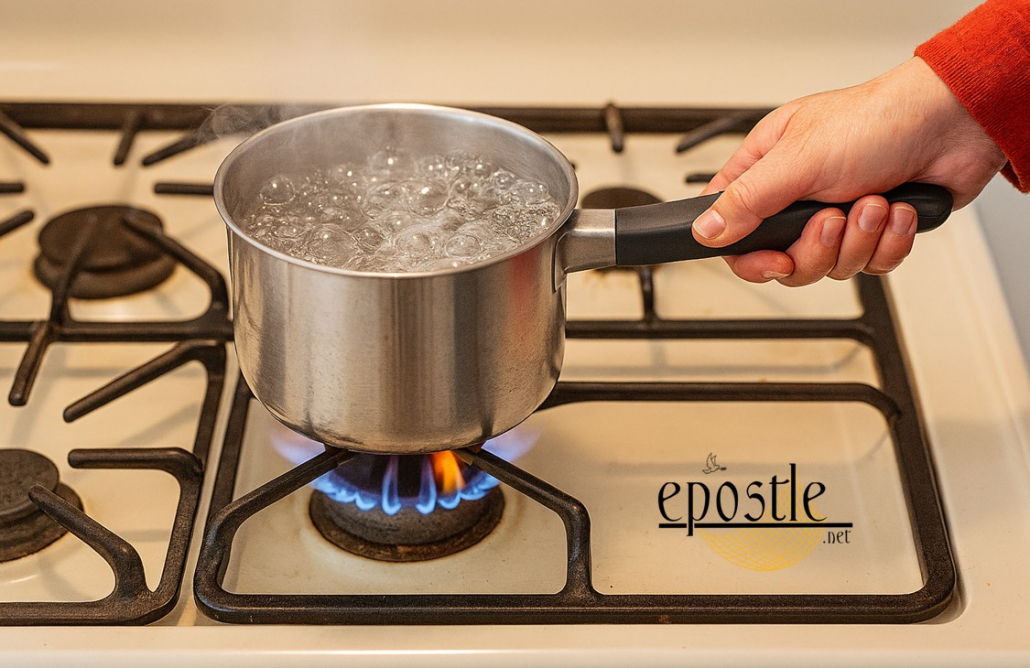
Most probably everyone has at one time, or another, brought their hand close enough to an open flame or a hot object to feel the heat, and then quickly retracted their hand before a burn. And sometimes, maybe not quick enough, with blisters betraying the slow withdrawal we feel the pain. Most everyone has come to learn to be cautious of heat because of their near-burn experiences. No matter how many times a child is warned, it’s that close the encounter with the heat source that drives home the point that a flame can burn.
Imagine if we didn’t learn from our mistakes. Imagine if every time we saw an open flame we had to bring our hand close enough to it to feel the heat, retract our hand, and then, only then, realize that it can burn. Yes, experience is the best instructor, provided we learn from our mistakes.
Jesus tells a parable in Matthew 18 about a man who is given a lesson on forgiveness, when his debt is cancelled by his creditor. Yet, when he finds someone who owes him money, he does not show any compassion nor mercy and demands that the debt be paid immediately. While the parable focuses on the act of forgiveness, there is an underlying lesson on the responsibility that comes from learning.
All of life is a learning experience, with events that beg us to make decisions. Those decisions are based on what we have learned, by the many lessons that life teaches us.
Armenians are the people of the Cross, a fact that is celebrated by the Armenian Church through its liturgics and teachings. The Cross is a symbol of suffering and victory, of crucifixion and resurrection, for the Armenian people. They have learned the lessons and the way of the cross from their history as a Christian nation. 1915 records the first Genocide of the 20th Century which took place against the Armenian people living in the Ottoman Empire. A hundred-plus years later, (2023) the campaign of ethnic cleansing took place on Armenian lands again, in Artsakh. The world looked on in 1915 and again in 2023, Another lesson learned – to have genocide and to be isolated in in the world.
Today another campaign of ethnic cleansing takes place and is publicized on media centers all over, to a world deaf and numb to the news. A genocide is taking place in Gaza. It is not a political issue, but a humanitarian one. The Armenian Church is a witness to the crucifixion – a witness to the Cross — and cannot remain quiet while professing the Gospel of Resurrection. Herein we understand that necessity for Armodoxy, the Armenian Church in action in our world today. To apply what we learn to life today is what is demanded of us as humans. It is the underlying lesson of the parable Jesus uses to teach us to learn from our past.
There are many lessons that are more painful and more severe than a burn from an open flame. The soul of humanity is lost when we ignore the most fundamental lessons of speaking out in the silence for justice and life.
We pray for courage to stand up for what is right, even when it is difficult. Help us to be instruments of Your peace and justice, reflecting Your love in all we do. Amen.
Երբ Հիսուսը մուտք գործեց Երուսաղեմ այդ առաջին «Ծաղկազարդի» օրը, ժողովուրդը ցնծությամբ դուրս եկավ փողոցներ՝ բարձրաձայն երգելով. «Օվսաննա՛, օրհնյա՛լ է Տիրոջ անունով եկող Թագավորը։ Խաղաղություն երկնքում և փառք բարձունքներում»։
Ղուկասի Ավետարանում (19) կարդում ենք, որ ժամանակի կրոնական վերնախավը բազմության միջից կանչեց Հիսուսին և հրամայեց սաստել ժողովրդին, սակայն Հիսուսը պատասխանեց. «Ասում եմ ձեզ, որ եթե սրանք լռեն, քարերը իսկույն պիտի աղաղակեն»։
Արևմտյան Հայաստանում՝ Վանա լճի ափին մոտ, կա մի փոքրիկ գյուղ՝ Վարագ անունով։ Երրորդ դարում քրիստոնեական հավատքի համար հալածվող Հռիփսիմե կույսը թաքնվեց Վարագի լեռներում։ Նրա մոտ էր Քրիստոսի Խաչի մի մասունքը։ Նա այդ մասունքը թաքցրեց լեռան վրա, որտեղ այն մնաց ավելի քան երեք հարյուր տարի, մինչև յոթերորդ դարում Թոթիկ անունով մի ճգնավոր գտավ այն։ Այս կիրակի նշվում է այդ իրադարձությունը՝ Վարագա Սուրբ Խաչի տոնը։
Ես առիթ ունեցա այցելելու Վարագ։ Այսօր քաղաքը, ինչպես և ողջ Արևմտյան Հայաստանը, օկուպացված է Թուրքիայի կողմից։ Վարագի երբեմնի գեղեցիկ և հոգևոր կյանքով լեցուն վանքն այժմ ավերակների մեջ է։ Ավերակների մեջ դեռ կարելի է նշմարել եկեղեցու ներքին հարդարանքի հետքերը։ Փոքրիկ խորշերը, որտեղ ժամանակին մոմեր էին վառվում, այժմ բաց են մնացել տարերքի առաջ, իսկ տանիքն ու հսկայական գմբեթը փլատակների կույտ են դարձել։
Վարագավանքի հիմք հանդիսացող քարերի կողքին գյուղացիների տներն են։ Երեխաները խաղում էին չսալարկված փողոցներում, և մենք զրույցի բռնվեցինք նրանցից մի քանիսի հետ։ Նրանցից մեկը մեզ հրավիրեց իրենց տուն։ Պատերը շարված էին չոր շաղախով միացված քարերից։ Տարբեր գույների և ձևերի քարերը վկայում էին դրանց տարբեր ծագման մասին և հուշում, որ դրանք հավաքվել են տարբեր ժամանակաշրջաններից։ Եվ... այնտեղ կային խաչքարեր, որոնք վերցվել էին վանքից և դրվել պատին՝ տան բնակիչներին արտաքին եղանակային պայմաններից պաշտպանելու համար։
Ավերված վանքերն ու քանդված եկեղեցիները պատմությունը ջնջելու արշավի մաս են կազմում և Ցեղասպանությունից հետո կործանման վերջին գործողությունն են։ Մայքլ Արլենը իր «Ճանապարհորդություն դեպի Արարատ» (1975) գրքում փնտրում է իր արմատները Հայաստանում և Արևմտյան Հայաստանում։ Անդրադառնալով պատմության ջնջմանը՝ Արլենը գրում է. «Ի՞նչ էր դա, եթե ոչ ատելություն, երբ ասում էին, որ մի ժողովուրդ գոյություն չունի»։
Խաչքարը պատասխանում է։ Խաչքարերը մեզ հետ խոսում են հստակ լեզվով, կամ գուցե դա մի այլ բարբառ է, որովհետև եթե ուշադիր լսեք, միշտ կարող եք հասկանալ պատգամը։ Խաչքարերն այն քարերն են, որոնք հակադրվում են ատելությանը՝ երկրի վրա հռչակելով երկնային խաղաղությունը։ Նույնիսկ ավերված վիճակում, փլատակների մեջ, խաչքարերը կիսվում են հույսի և սիրո աստվածային պատգամով՝ որպես ատելության հակաթույն։
Մենք աղոթում ենք խաղաղության այս աղոթքը. «Տե՛ր Հիսուս Քրիստոս, Ով կոչվում ես Խաղաղության Իշխան, խնդրում ենք, պարգևիր մեզ խաղաղություն։ Դարձրո՛ւ բոլոր տղամարդկանց և կանանց ճշմարտության, արդարության և եղբայրական սիրո վկաները։ Ամեն»։
Խաչքարերը զարդարում են հայկական եկեղեցիները, վանքերը և Հայաստանի բնապատկերը։ Դրանք վեհ են ու խոսուն։ Շատերը կարելի է ընթերցել որպես երկնքին և հավերժությանը ուղղված քարտեզ։
Խաչքար բառացիորեն նշանակում է «խաչ ունեցող քար»։ Մեծ, սովորաբար ուղղանկյունաձև, մոտ վեց-յոթ ոտնաչափ բարձրություն և երեք ոտնաչափ լայնություն ունեցող քարի վրա փորագրված են Հիսուս Քրիստոսի Ավետարանին նվիրված անձի հավատքն ու վճռականությունը արտացոլող պատկերներ։ Այս քարերը գոյատևել են և հարյուրավոր, նույնիսկ հազար տարի շարունակ պատգամներ են փոխանցել։
Կենտրոնական փորագրությունը խաչ է՝ զարդարված ոլորուններով և նախշերով, որոնք պատկերում են տարբեր աստվածաբանական հասկացություններ կամ եկեղեցական խորհրդանիշներ։ Գոշավանքում գտնվող մի խաչքար հատկապես խոսուն է։ Գոշը Հայաստանում կրթության օջախ էր, և որպես այդպիսին՝ այնտեղի խաչքարը վեր է խոյանում՝ պատմելու երկինք-երկիր կապի մասին։ Այս փորագրության մեջ երկիրը որպես մեծ գունդ պատկերված տեսնելը կարող է անսովոր չթվալ, մինչև չիմանաք, որ այս քարը փորագրվել է 6-րդ դարում. Եվրոպայում Ինկվիզիցիայից մոտ 600 տարի առաջ հայերն արդեն հասկացել էին, որ երկիրը կլոր է, և մերժել էին տափակ երկրի գաղափարը։
Խաչքարերի վրայի պատգամները բազմազան են ու բազմաբնույթ։ Այնուամենայնիվ, ամենամեծ պատմությունը, որը հաճախ մոռացվում է, այն է, որ խաչքարը պատկերում է հարություն և հաղթանակ։ Յուրաքանչյուր խաչ, առանց բացառության, և հատկապես յուրաքանչյուր խաչքար Հիսուս Քրիստոսի պատմությունն է։ Առանց Քրիստոսի խաչքարը իմաստ չունի, ավելին՝ առանց Հիսուս Քրիստոսի խաչը պարզապես երկու ուղղահայաց գիծ է։
Մենք գտնվում ենք Խաչի երկու տոների՝ Խաչվերացի և Վարագա Խաչի միջև։ Խաչը Հիսուս Քրիստոսի կողմից սահմանվում է որպես տանջանքի գործիք, որն այժմ վերածվել է հաղթանակի խորհրդանիշի։
Այո՛, խաչքարը զարդարում է հայկական բնապատկերը, և այդ դեկորատիվ տեսքով այն մշտական հիշեցում է եղել ժողովրդին ատելության հանդեպ սիրո և չարի հանդեպ բարու հաղթանակի մասին։ Պատմության եզրին ստոիկաբար կանգնած խաչքարը՝ որպես հույսի մշտաներկա պատգամաբեր, անդադար վկան է այն իրողության, որը հիմնարար է եղել ժողովրդի գոյատևման համար։
Պատկերացրեք մի ժողովուրդ, որը շրջվել է իր ճանապարհին, և ամենուր, ուր նայել է, հիշեցվել է հավերժականի հանդեպ հույսի մասին և Քրիստոսի միջոցով միացել է Աստվածայինին։ «Եթե Աստված մեր կողմն է, ո՞վ կարող է լինել մեր դեմ» (Հռոմեացիս 8:31)։
Վաղը մենք կդիտարկենք մի յուրահատուկ խաչքար, որը զարդարում է Վարագի գյուղական տներից մեկը։ Այսօր մենք աղոթում ենք Սուրբ Ներսես Շնորհալու «Հավատով խոստովանիմ» աղոթքի 13-րդ ժամից. Երկնավոր Թագավոր, շնորհիր ինձ Քո արքայությունը, որ խոստացել ես Քո սիրելիներին, և զորացրու սիրտս՝ ատելու մեղքը, սիրելու միայն Քեզ և կատարելու Քո կամքը։ Ողորմիր Քո բոլոր արարածներին և ինձ։ Ամեն։
Շապիկի լուսանկար՝ Լունա և Գրեգորի Բեյլերյան, 2023 թ.
Censorship pops up as a topic in the news regularly. It rises to a prominent news position here in the United States, primarily because constitutional guarantees forbid forbidding free speech. Censorship is understood as a central authority – read, a government – decides what should and should not be read, heard, seen, written or said. This decision is made based on someone’s, or some group’s values.
As far as central authorities go, you can’t get more central or more authority than God and God does not censor. Nor does he ask that we make aprons out of fig leaves. (cf. Genesis 3) In Jesus’ teachings, he calls us to personal responsibility. Over and over again, he insists that we are responsible for the actions we take, hence censorship – a decree to prohibit access to certain words or content is not part of Christianity. You are free to act as you wish, understanding that there are consequences, even ultimate judgement, for your actions. The entire concept of a final judgement, to be judged on your life’s sum-total, is based on the premise that you are free to choose to do or choose to do otherwise.
Often, in their zeal to keep things orderly and not to violate norms and decency, people come up with rules and regulations to protect a society, and most definitely those who are unable to protect themselves, such as children.
So what is the answer to censorship? How do you prevent bad ideas from spreading?
Think of how you get your news, or receive entertainment, ponder art and experience music. Think of how you participate in your faith, and stay away from belief systems that are offensive to you. You have the ability to walk away! You have the ability to turn off a television, swipe up on a page to make it disappear, unplug a device, unsubscribe to media, or just plain turn the channel. Just as right now – you have the option to tune in or to tune out to this message. In other words, you can make those decisions. Pray, engage in dialogue, share your thoughts and then act. It’s your decision. This is Jesus’ call to responsible living.
The remembrance of saints is an important and essential part of Armenian Church Tradition. Saints are not God or gods, far from it. They are people – flesh and blood, like you and me, with the freedom to exercise their will according to their conscience. They are the ones who opt for the difficult path of life with faith. We commemorate them because as humans, with all the frailties that come with being human, they demonstrated godly expressions of living.
Saints days are interspersed on the calendar throughout the year. Today, the Armenian Church remembers St. Peprone (or Phebronia), Mariana, and Shoushan, the daughter of Vartan the Great. Each of these saints has a story in which they rose from their human condition and demonstrated an extra ordinary love for God and people.
In remembering the saintly stories from yesteryears, we can’t ignore the stories of today. A few days ago, at a nationally televised funeral of Charlie Kirk, his wife, Erika in reflecting on their life together and the faith they shared, went on to forgive her husband’s assassin.
In tears she said, “…on the cross, our Savior said, “I forgive them for they know not what they do.” That man, that young man, I forgive him. I forgive him for they know not what they do. I forgive him because it was what Christ did and is what Charlie would do. The answer to hate is not hate. The answer we know from the Gospel is love and always love. Love for our enemies and love for those who persecute us.”
In a country that is divided, in an atmosphere of volitivity, amid the incomprehensible acts of violence, and against the backdrop of an ignored genocide on the other side of the globe, these words were a welcome and needed expression for the world. If only we have ears to hear.
For all we do and say at Epostle, and for every sermon and advice I have given, had I not remembered this small expression from this weekend, the saints and lives of the past would not shine.
Forgiveness. It is the hallmark of Christianity. It is the higher and divine grace that saves us from our past and from ourselves. Forgive us our trespasses as we forgive those who trespass against us. Amen.
Today is the Autumn Equinox, meaning that there is an equal number of hours of sunlight and sunless time during the day, if you happen to be residing on the equator. For the rest of us, and particularly those in the Northern Hemisphere of our planet, it is the first day of autumn or simply Fall.
New Years, and particularly New Year’s Day, has taken a first place spot for resolutions. It’s a convenient time to change – put off old habits and take on healthier and better habits. But the first day of Fall is even a better opportunity. First of all, there’s not all the hoopla of New Years, but even more the entire season is based on change. The color of the leaves turn, trees lose their leaves, while others go dormant to survive the winter months. It’s a perfect day to cycle through life and begin anew.
St. Paul writes to the Ephesians, “You were taught, with regard to your former way of life, to put off your old self, which is being corrupted by its deceitful desires; to be made new in the attitude of your minds;and to put on the new self, created to be like God in true righteousness and holiness.” (4:22-24)
We pray, Lord our God, You create everything with wisdom. The seasons take shape according to your order and coordination with the Sun and our Earth. At this beautiful time of year, let the habits of old fall off, like the leaves of summer and prepare me for the days ahead that are full of life. Amen.
https://epostle.net/wp-content/uploads/2025/09/Fall-Leaves.jpg11251125Վազգեն Մովսեսյանhttps://epostle.net/wp-content/uploads/2022/07/final_logo_large_for_epostle_web-300x189.pngՎազգեն Մովսեսյան2025-09-22 00:01:022025-09-21 17:43:03Autumn is Here