Why Not Me?

Armodoxy for Today: Why not me?

We conclude this week of diving into the parable of the prodigal son (Luke chapter 15) by looking at the third character in the story, namely, the older brother of the three characters, probably the older son is the one with whom we can best identify, perhaps because, well, basically, he is a good guy, at least he says he is. He’s a friendly guy. He is the one who did the right thing and stayed faithful. He stayed home and did not squander the money that his father had given him. He was loyal. He was obedient. Mostly we see him, the man who, like all of us, recognizes the unfairness of life. There was an injustice that was being played out right in front of him, because the younger brother came home, there was a celebration. It was almost as if he was being rewarded for his breach of discipline.

The older brother asks, why not me? Why is it that good things happen to bad people? Why are the actions of bad people rewarded while good actions, case in point me, go unnoticed. There are many examples of unfairness in our lives. Often we see people who seemingly do not deserve to be rewarded, yet they are honored with privileges and rewards. Why not me? It’s only a natural question to follow this inequity. Not only is it natural, it’s logical. If we believe good should be rewarded, I’ve done right. I’m the good guy. Sure, I have faults, but basically, I’m a good person. Why isn’t my goodness being rewarded?

The father in the story gives a simple answer. His is an answer that comes from the vantage point of parenthood. Son, he says, I have always had you. Whatever I have is already yours. But this my son, your younger brother, was lost, and now he is found. He was dead, and now he is alive. And in so saying, the Father is asking his son to see the bigger picture. It’s not about this moment, but there is a bigger project, so to speak. Ultimately, God’s aim is to have us all in reconciliation with all of creation. It’s about a state of love and harmony so that everyone has access to the kingdom.

Now let’s push this a little further and challenge ourselves, because after all, there is true injustice in the world. But as the Lenten season unfolds, we’re understanding that the real problem is with our perception of the goal – of the prize. We’re looking at those excesses and material goods as the prize, and we lose sight of the true treasure that is already part of life. The proof? Take a deep breath right now. Can you feel it entering your lungs? That’s a gift from God on which you cannot place a price tag. Do you love someone? Someone you can look to a child, a parent, a husband, a wife, a boyfriend, a girlfriend, that is a gift. Do you have this ability to smile? Do you have the ability to look at a flower, at the trees, at the mountains, at the sea, and stand in awe for a second or two and realize that there is something far greater than material goods that we consume ourselves with. That’s the gift, and that is a gift that has been given to you by God. He says, don’t abuse it. Don’t be like the prodigal. Don’t squander what I have given you, and now don’t look for more. Anything more is excess.

God has placed love in your heart, and it’s up to us to use it, not abuse it. It’s up to us to share it with ones we love, with our family, our community, and with our world.

Today we end with this prayer from St. Nerses Shnorhali, O merciful Lord, have mercy on all your faithful, on those who are mine and those who are strangers, on those whom I know and on those whom I do not know. On the living and on the dead. Forgive all my enemies and those who hate me the trespasses they have committed against me. Turn them from the malice they bear toward me that they may be worthy of your mercy. Have mercy upon all your creatures and upon me a sinner, amen.
I Confess with Faith – Shnorhali

I Confess with Faith The prayers of St. Nersess Shnorhali (the Gracefilled)

1) I confess with faith and adore You, Father, Son, and Holy Spirit, uncreated and immortal essence, creator of
angels, of humans, and of all that exists. Have mercy upon Your Creatures and upon me, a great sinner.

2) I confess with faith and adore You, O Light indivisible, simultaneous Holy Trinity and one Godhead, creator
of light and dispeller of darkness. Dispel from my soul the darkness of sin and ignorance, and at this hour
enlighten my mind, that I may pray to You according to Your will, and receive from You the fulfillment of
my supplications. Have mercy upon Your Creatures and upon me, a great sinner.

3) Heavenly Father, true God, who sent Your beloved Son to seek the wandering sheep, I have sinned against
heaven and before You; receive me like the Prodigal Son, and clothe me with the garment of innocence, of
which I was deprived by sin. Have mercy upon Your Creatures and upon me, a great sinner.

4) Son of God, true God, who descended from the bosom of the Father, and took flesh of the Holy Virgin Mary
for our salvation, who was crucified and buried, and rose from the dead, and ascended to the Father, I have
sinned against Heaven and before You; remember me like the robber, when You come in Your kingdom.
Have mercy upon Your Creatures and upon me, a great sinner.

5) Spirit of God, true God, who descended into the Jordan and into the upper chamber, and who enlightened
me by baptism in the holy font, I have sinned against Heaven and before You; cleanse me Your divine fire as
You purified the holy Apostles with fiery tongues. Have mercy upon Your Creatures and upon me, a great
sinner.

6) Uncreated Essence, I have sinned against You in mind, soul and body; do not remember my former sins for
the sake of Your Holy name. Have mercy upon Your Creatures and upon me, a great sinner.

7) Beholder of all, I have sinned against You, in thought, word and deed; erase the record of my offences, and
write my name in the Book of Life. Have mercy upon Your Creatures and upon me, a great sinner.

8) Searcher of secrets, I have sinned against You willing and unwillingly, knowingly and unknowingly, grant
me —a great sinner— forgiveness, for since I was born of the holy font until this day I have sinned before
You, by my senses, and by all the members of my body. Have mercy upon Your Creatures and upon me, a
great sinner.

9) All provident Lord, place Your holy fear as a guard before my eyes so they may not look lustfully; before my
ears so that they may not delight in hearing evil words; before my mouth so that it may not speak any
falsehoods; before my heart so that it may not think evil; before my hands so that they may not do injustice;
before my feet, that they may not walk in the paths of injustice; but so direct them, that they may always be
according to all Your commandments. Have mercy upon Your Creatures and upon me, a great sinner.

10) O Christ, who are the Living Fire, inflame my soul with the fire of Your love, which You did send forth upon
the earth, that it may burn the stains of my soul, sanctify my conscience, purge the sins of my body, and
kindle in my heart the light of Your knowledge. Have mercy upon Your Creatures and upon me, a great
sinner.

11) O Jesus, wisdom of the Father, grant me wisdom, that I may always think, speak, and do that which is good
in Your sight; save me from evil thoughts, words and deeds. Have mercy upon Your Creatures and upon me,
a great sinner.

12) O Lord, who wills that which is good, and are the director of the will, let me not follow the inclinations of
my heart, but lead me to live always according to Your good will. Have mercy upon Your Creatures and
upon me, a great sinner.

13) Heavenly King, grant me Your kingdom, which You have promised to Your beloved; strengthen my heart to
hate sin, and to love You alone, and to do Your will. Have mercy upon Your Creatures and upon me, a great
sinner.

14) Protector of Your creatures, by the sign of Your cross keep my soul and body from the allurements of sin,
from the temptations of the devil and unjust people, and from all perils of soul and body. Have mercy upon
Your Creatures and upon me, a great sinner.

15) O Christ, the guardian of all, let Your Right Hand guard and shelter me by day and by night, while at home
and while away, while sleeping and while awake, that I may never fall. Have mercy upon Your Creatures
and upon me, a great sinner.

16) O my God, who opens Your hand and fills all things living with Your bounty, to You I commit my soul; do
care for me and provide for the needs of my body and soul forever. Have mercy upon Your Creatures and
upon me, a great sinner.

17) You who bring back the wanderers, turn me from my evil ways to good ones and imprint upon my soul the
recollection of the dreadful day of death, the fear of hell and the love of Your Kingdom that I may repent of
my sins and do righteousness. Have mercy upon Your Creatures and upon me, a great sinner.

18) Fountain of immortality, make the tears of repentance flow from my heart, like those of the adulteress, that
I may wash away the sins of my soul before I depart from this world. Have mercy upon Your Creatures and
upon me, a great sinner.

19) Bestower of mercy, grant that I may come to You with true faith, with good works and by the communion
of Your Holy Body and Blood. Have mercy upon Your Creatures and upon me, a great sinner.

20) Beneficent Lord, commit me to a good angel, that I may deliver up my spirit in peace; convey it undisturbed
by the malice of evil spirits that are under the heavens. Have mercy upon Your Creatures and upon me, a
great sinner.

21) O Christ, True Light, make my soul worthy to behold with joy the light of Your glory, in that day when You
call me and to rest in the hope of good things in the mansions of the just until the day of Your glorious
coming. Have mercy upon Your Creatures and upon me, a great sinner.

22) Righteous Judge, when You come in the glory of the Father to judge the living and the dead, enter not into
judgement with Your servant, but deliver me from the eternal fire, and make me worthy to hear the blissful
call of the just to Your heavenly kingdom. Have mercy upon Your Creatures and upon me, a great sinner.

23) All-merciful Lord, have mercy upon all Your faithful, on those who are mine and on those who are
strangers; on those whom I know and on those whom I know not; on the living and on the dead; and
forgive all my enemies, and those who hate me, the trespasses that they have committed against me; turn
them from the malice which they bear towards me, that they may be worthy of Your mercy. Have mercy
upon Your Creatures and upon me, a great sinner.

24) Glorified Lord, accept the supplications of Your servant, and graciously fulfill my petitions, through the
intercession of the Holy Mother of God, John the Baptist, the first martyr St. Stephen, St. Gregory our
Illuminator, the Holy Apostles, Prophets, Divines, Martyrs, Patriarchs, Hermits, Virgins and all Your saints
in Heaven and on Earth. And unto You, O indivisible Holy Trinity, be glory and worship forever and ever.

Amen

Reclaim 2026 – Monasticism – Spirits Uplifted

Reclaim Conference 2026: Reclaiming Monasticism

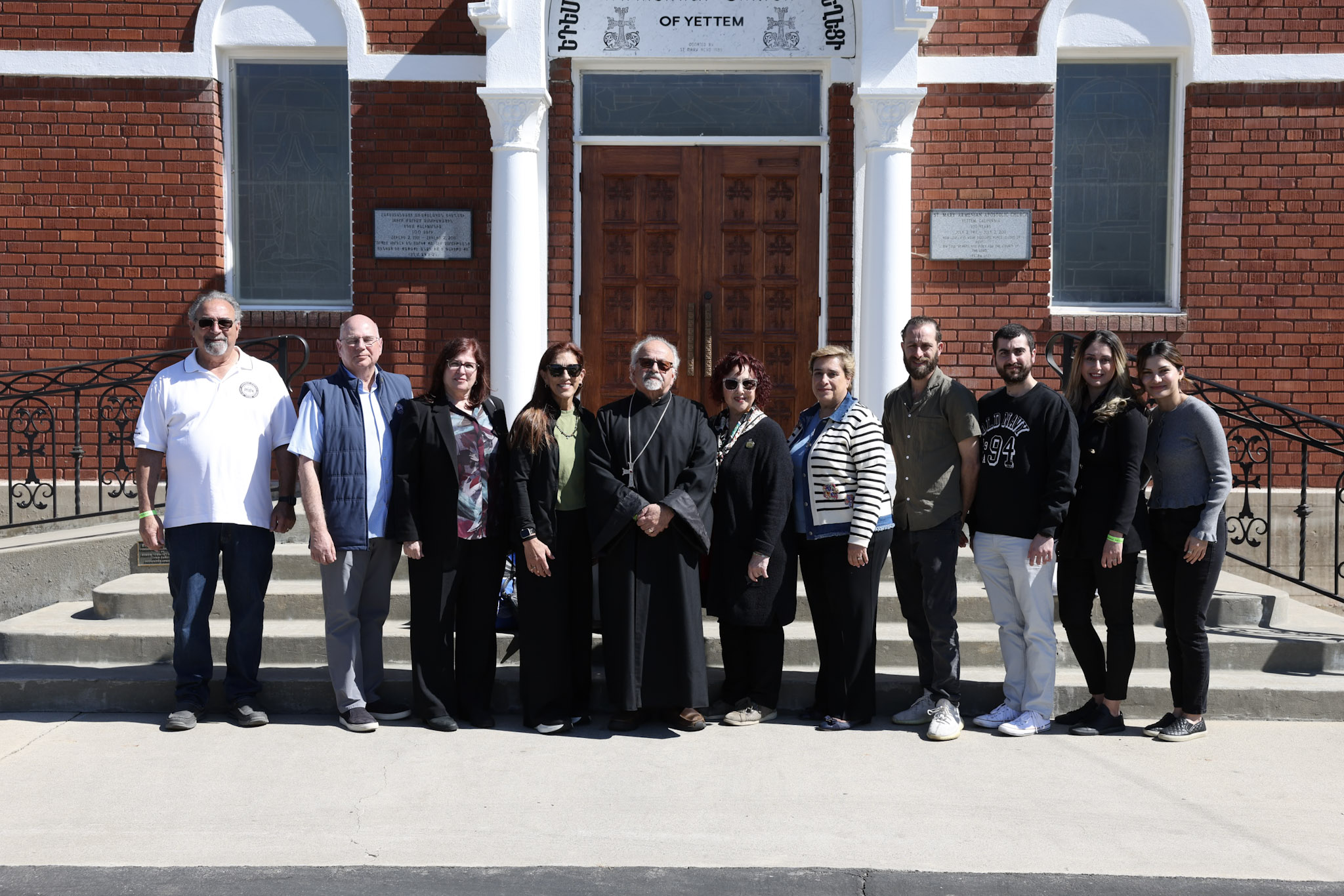
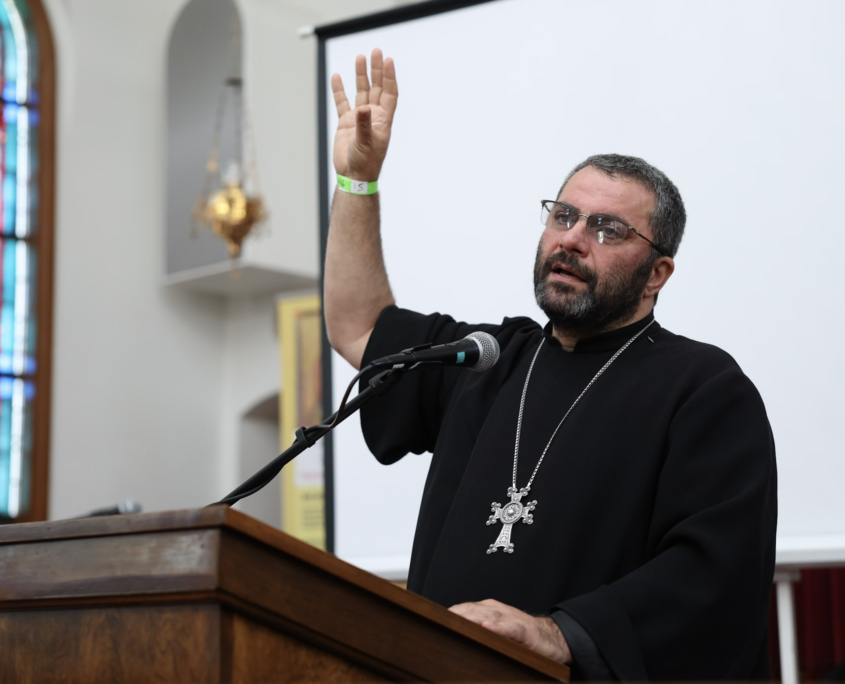
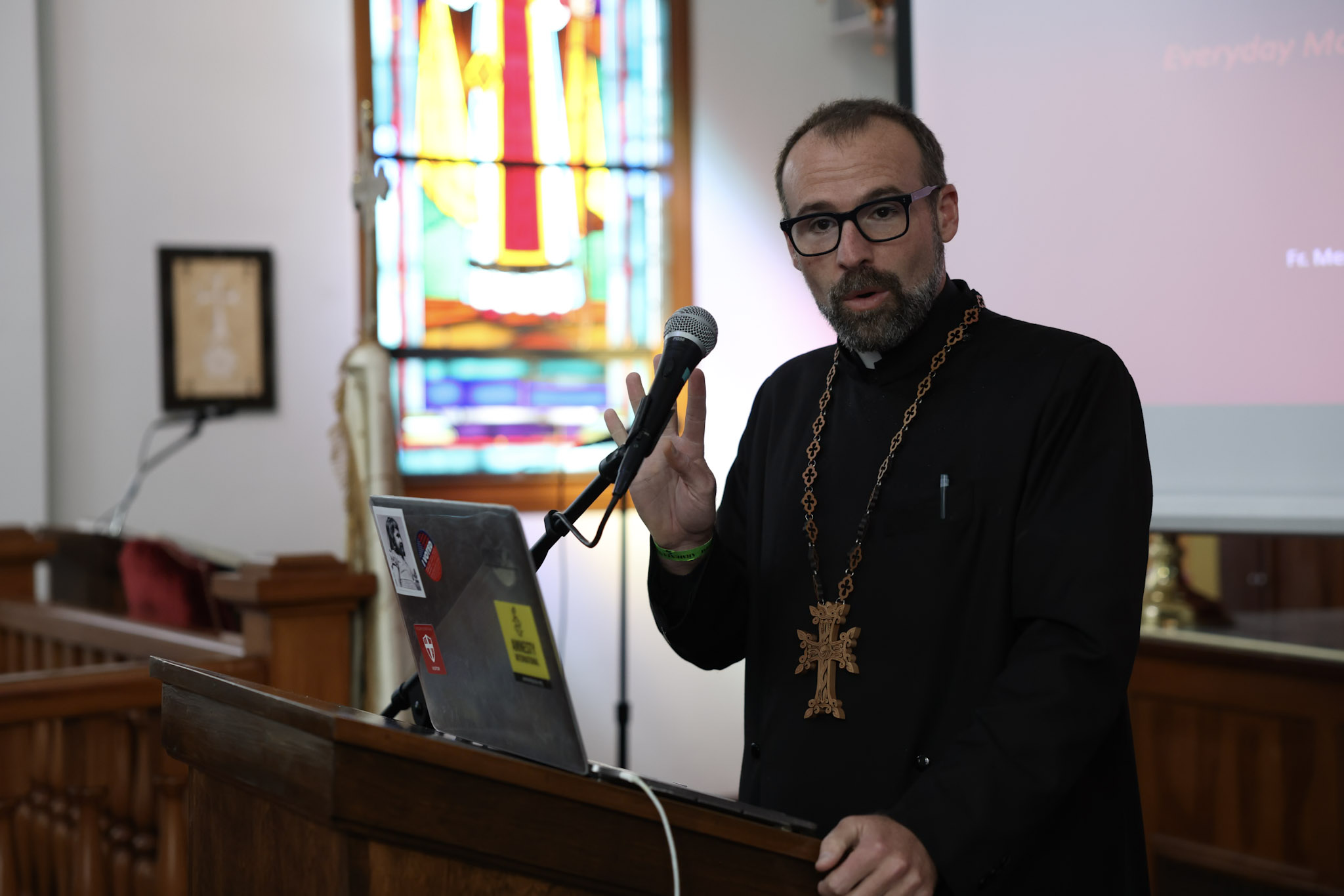
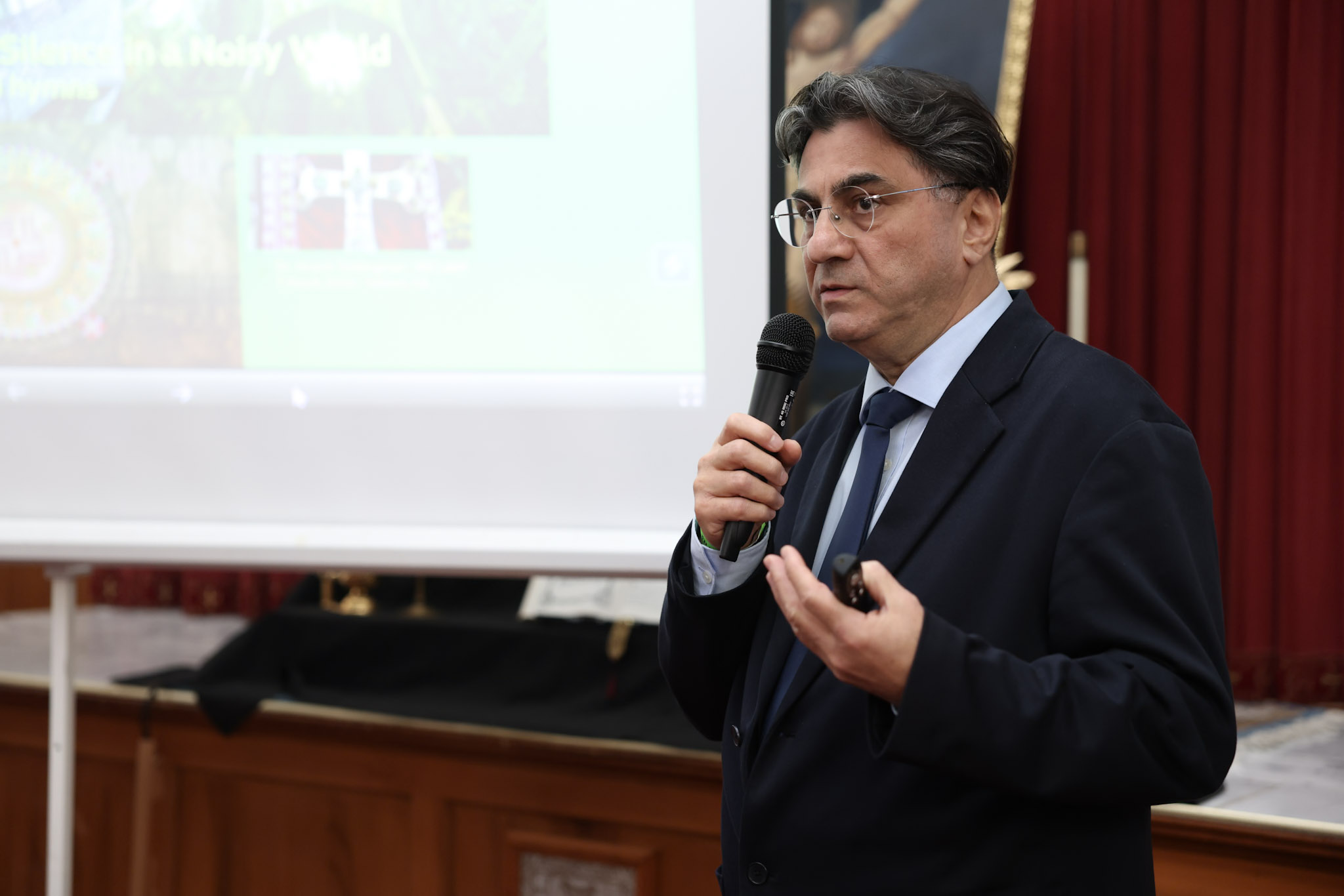
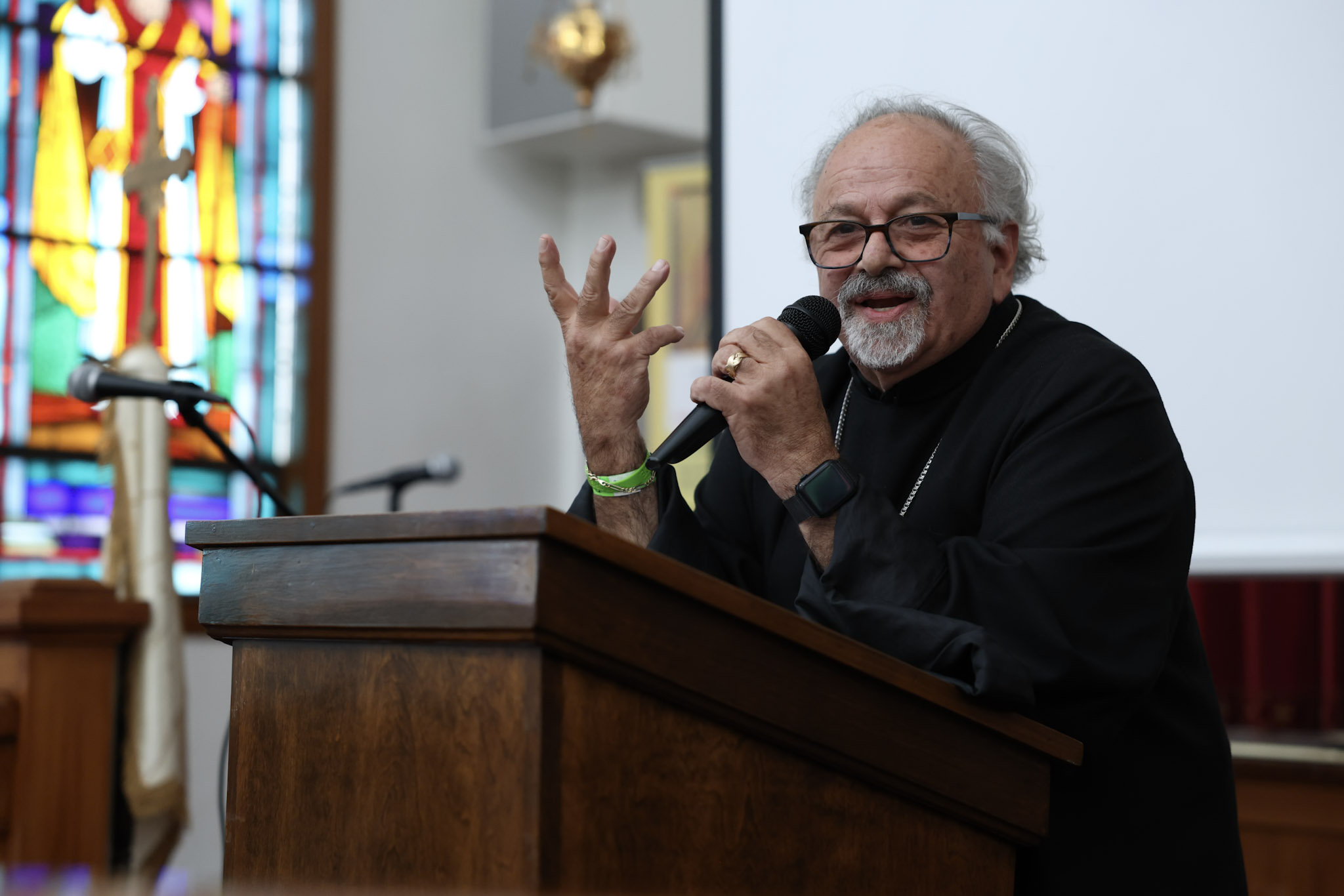
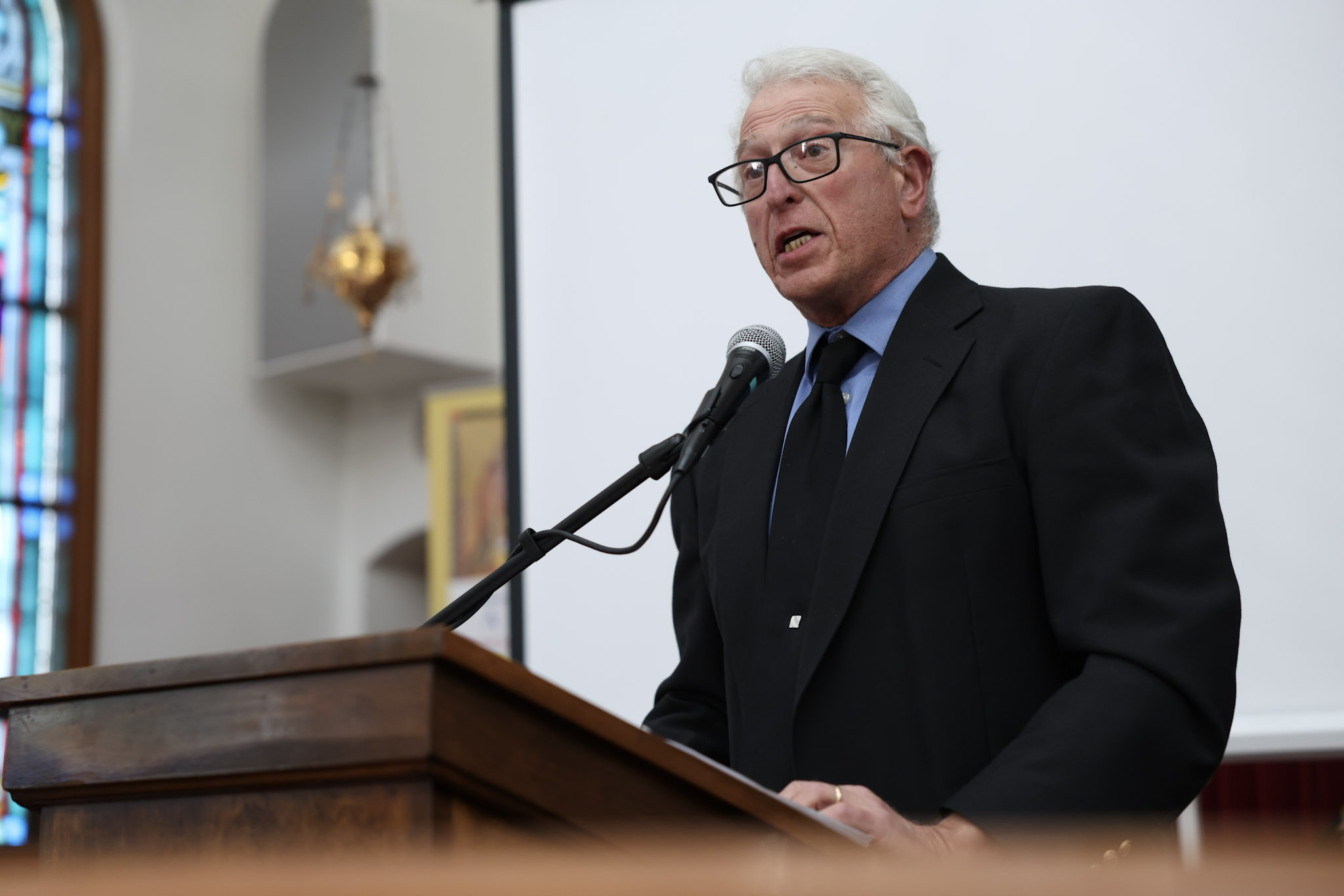
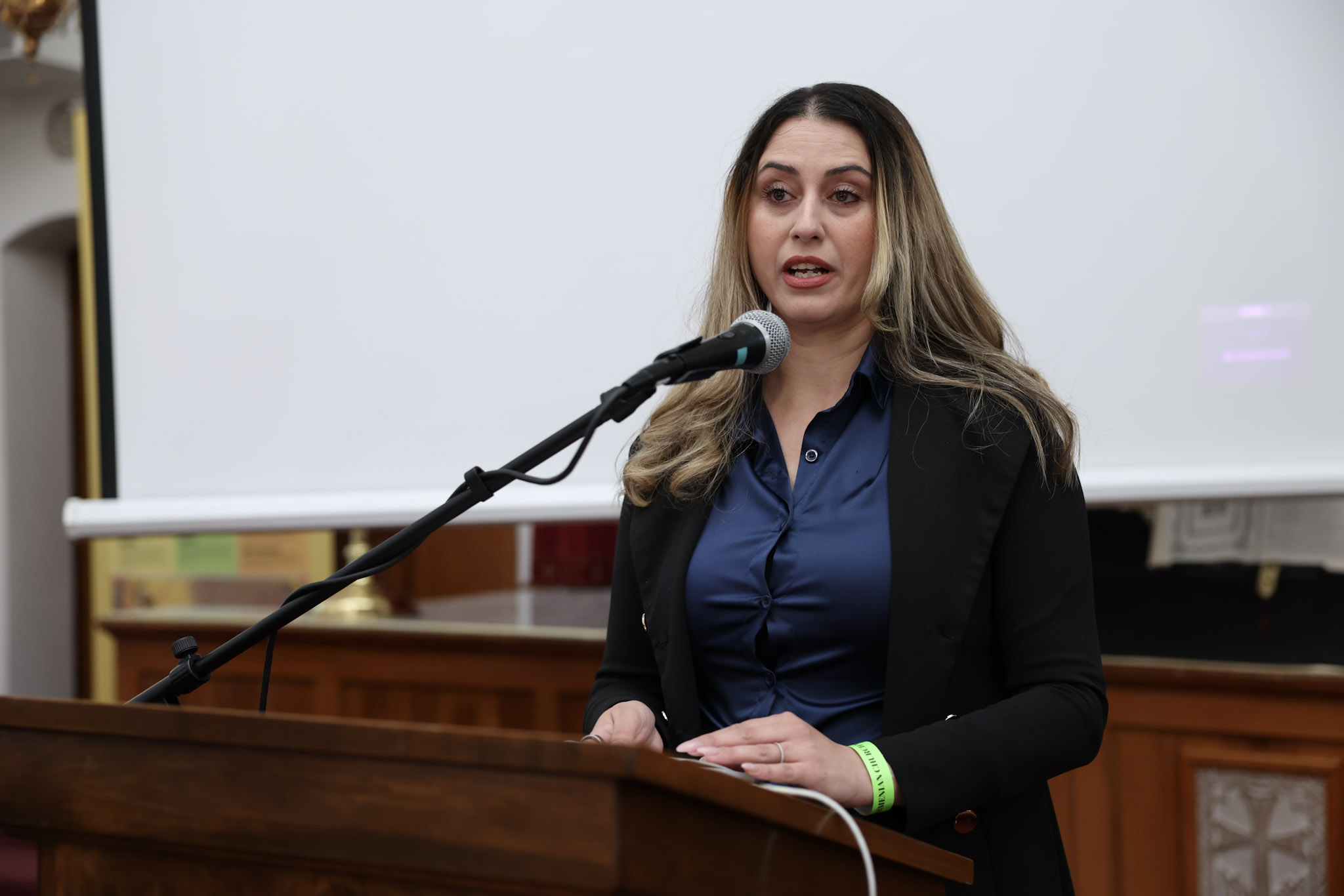
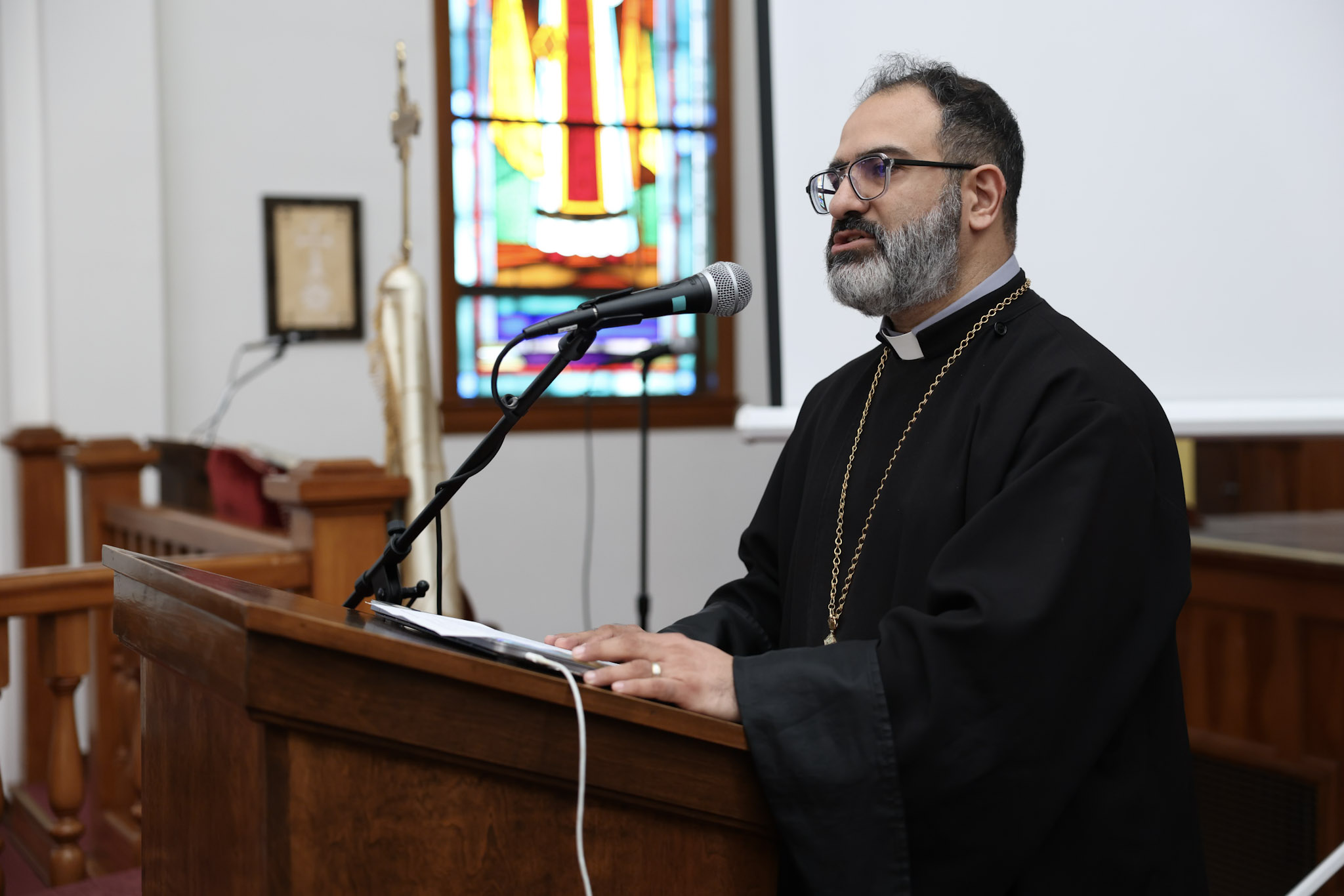
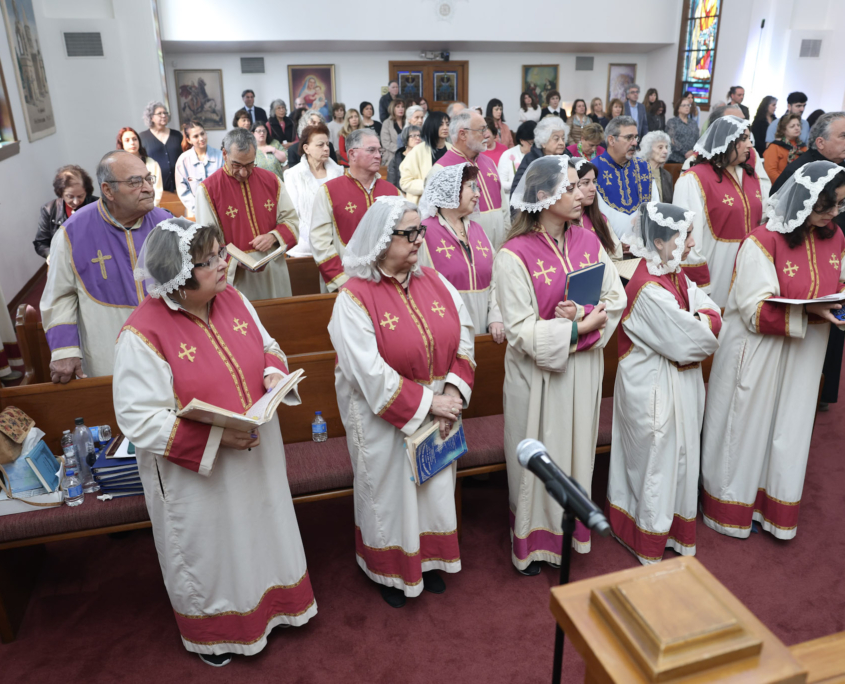
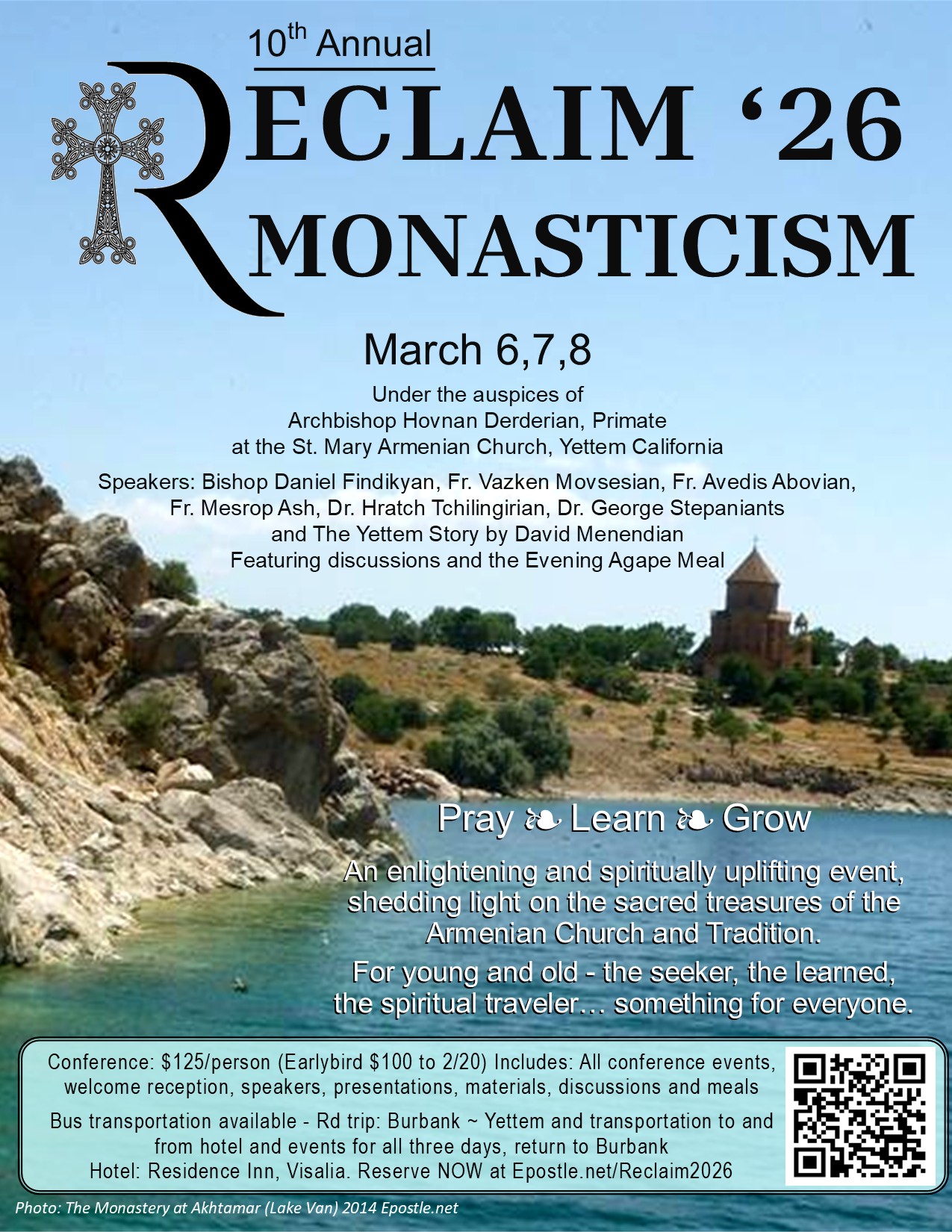
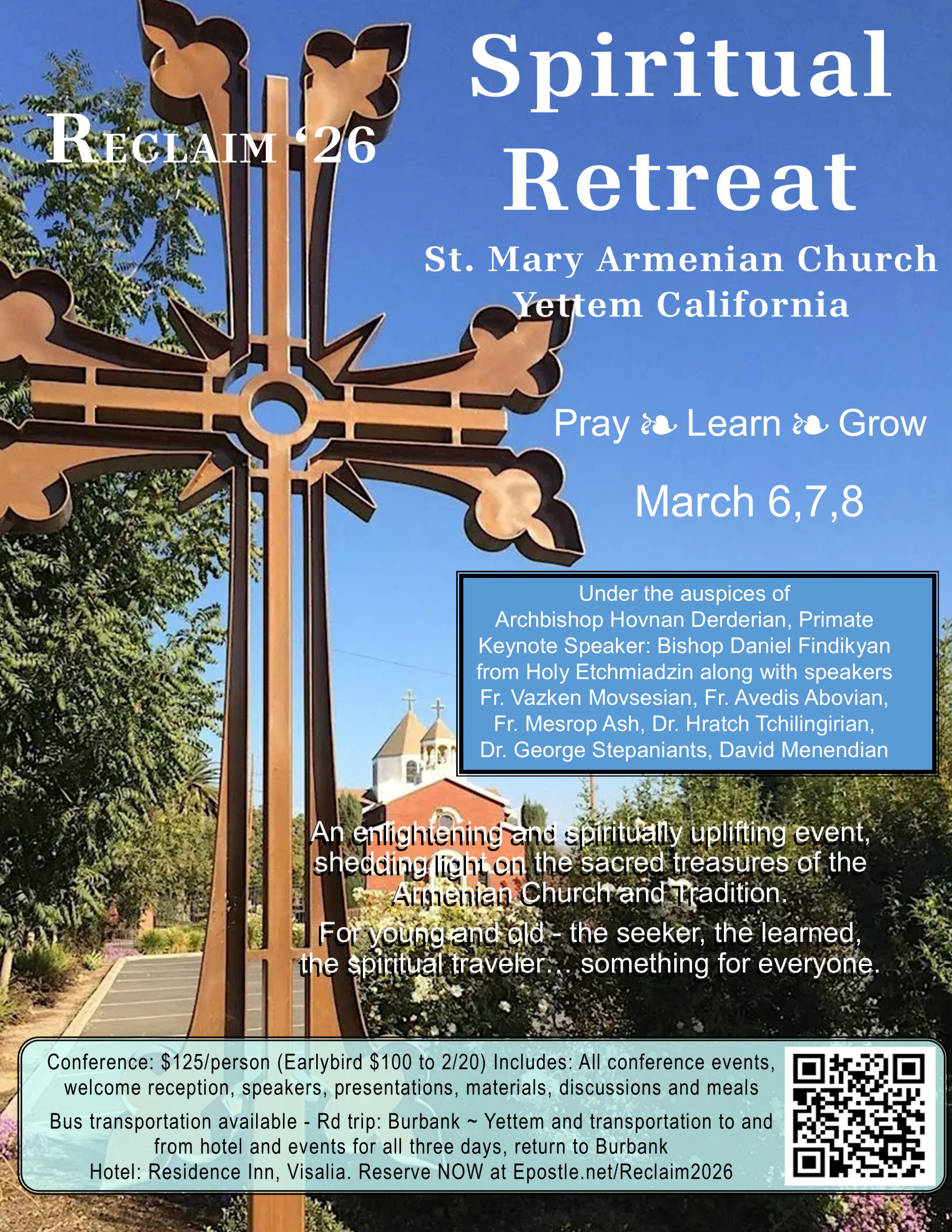
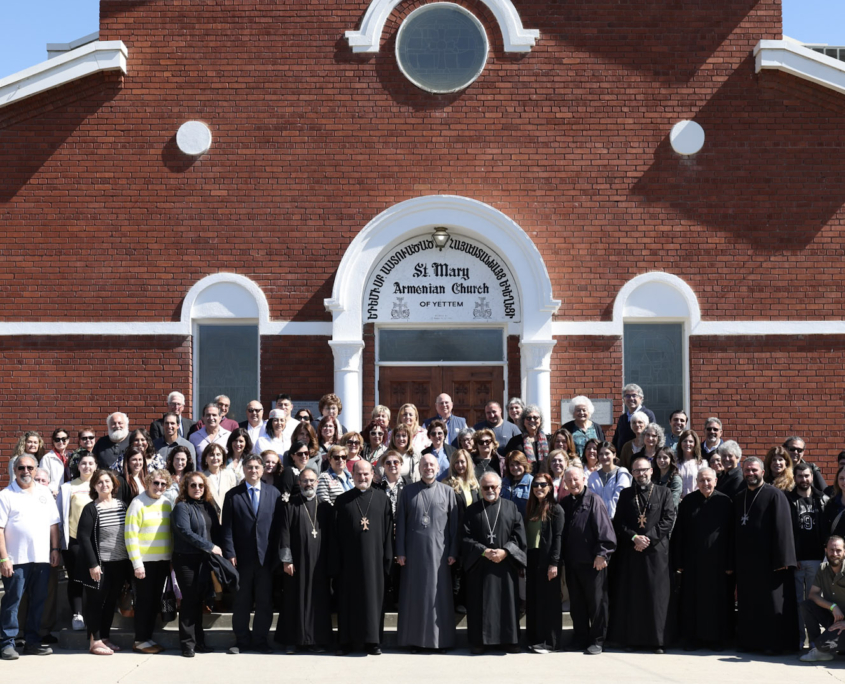
The tenth annual Reclaim Conference was held March 6–8 at St. Mary Armenian Church in Yettem, California, under the auspices of Archbishop Hovnan Derderian, Primate. This year’s theme, “Reclaiming Monasticism,” invited participants to rediscover how the spiritual wisdom of the monastic tradition can enrich and guide our daily Christian lives.

Inspiring presentations were offered by Fr. Vazken Movsesian, Fr. Avedis Abovian, Bishop Daniel Findikyan, Dr. Hratch Tchilingirian, Fr. Mesrob Ash, Gregory Beylerian, and Mr. David Menedian. Their talks explored themes such as reclaiming faith, the importance of spiritual retreat, building the Body of Christ, finding sacred silence in a noisy world, and cultivating a structured spiritual life through everyday monastic practices.

A central message of the conference was that monasticism is not simply about life behind monastery walls. In the Armenian Church, monasteries have long served as vibrant centers of prayer, learning, and service—places where the spiritual life of the Church was nurtured and shared with the wider community.

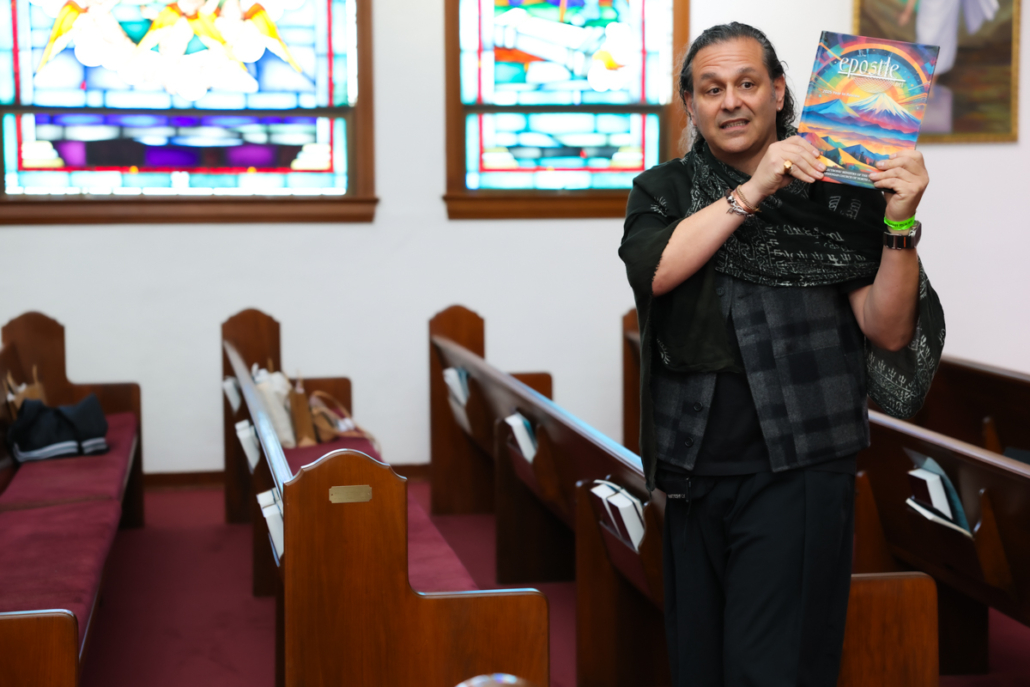
Participants were also introduced to several valuable spiritual resources, including Epostle.net a digital portal of the Armenian Church Western Diocese with resources focused on education, outreach, and heritage preservation., the 2Bishops YouTube series featuring Bishops Daniel Findikyan and Vahan Hovhanessian, and the Fast and Pray app, which helps support a meaningful personal practice of fasting and prayer.

In reflecting on the Conference and on this occasion, Fr. Vazken thanked everyone and announced that a special matching fund in the amound of $100,000 was set up by Jim Kaplan to further the work of Epostle. Donation will be matched dollar-for-dollar. More will be shared in the coming weeks about this generous gesture.

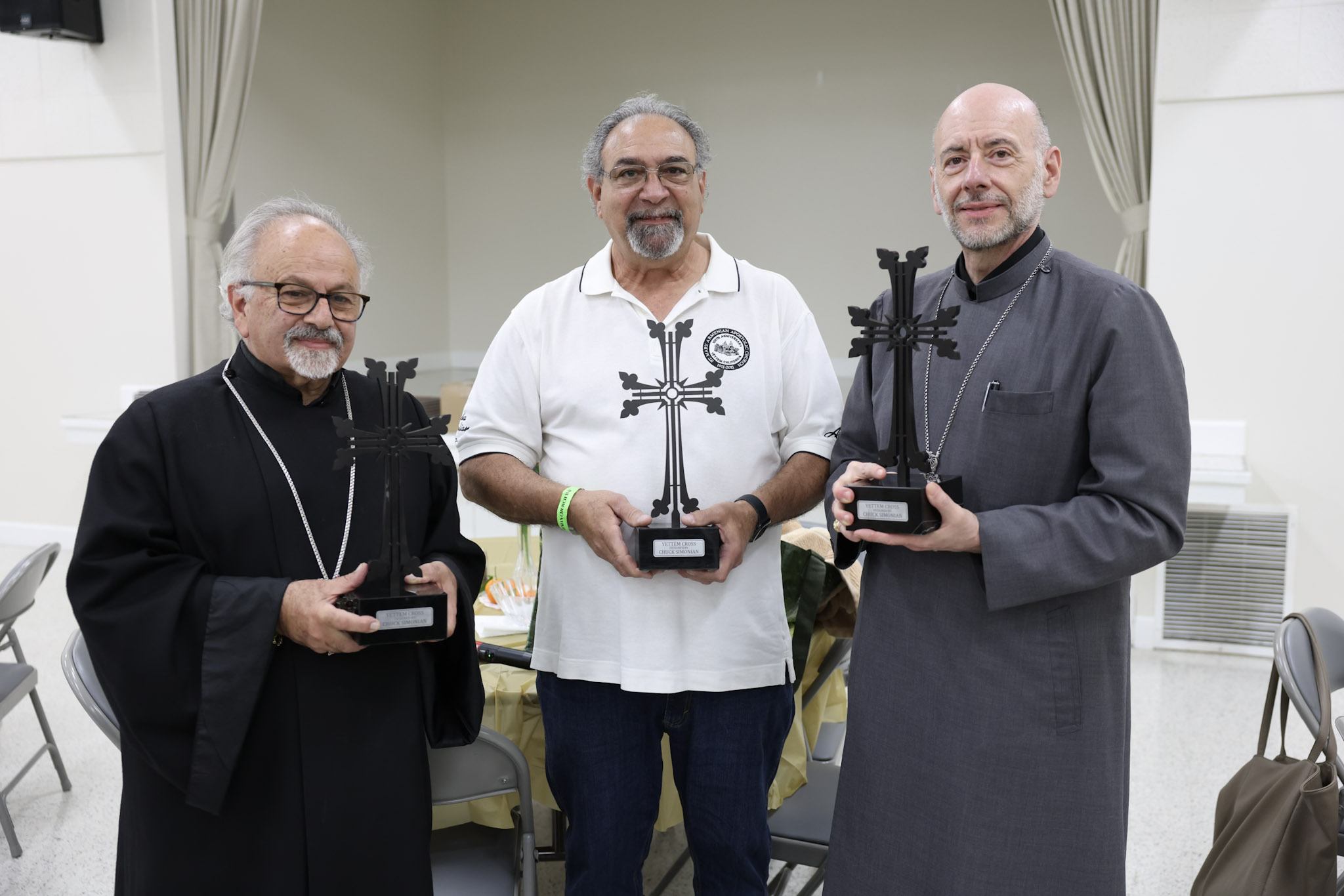
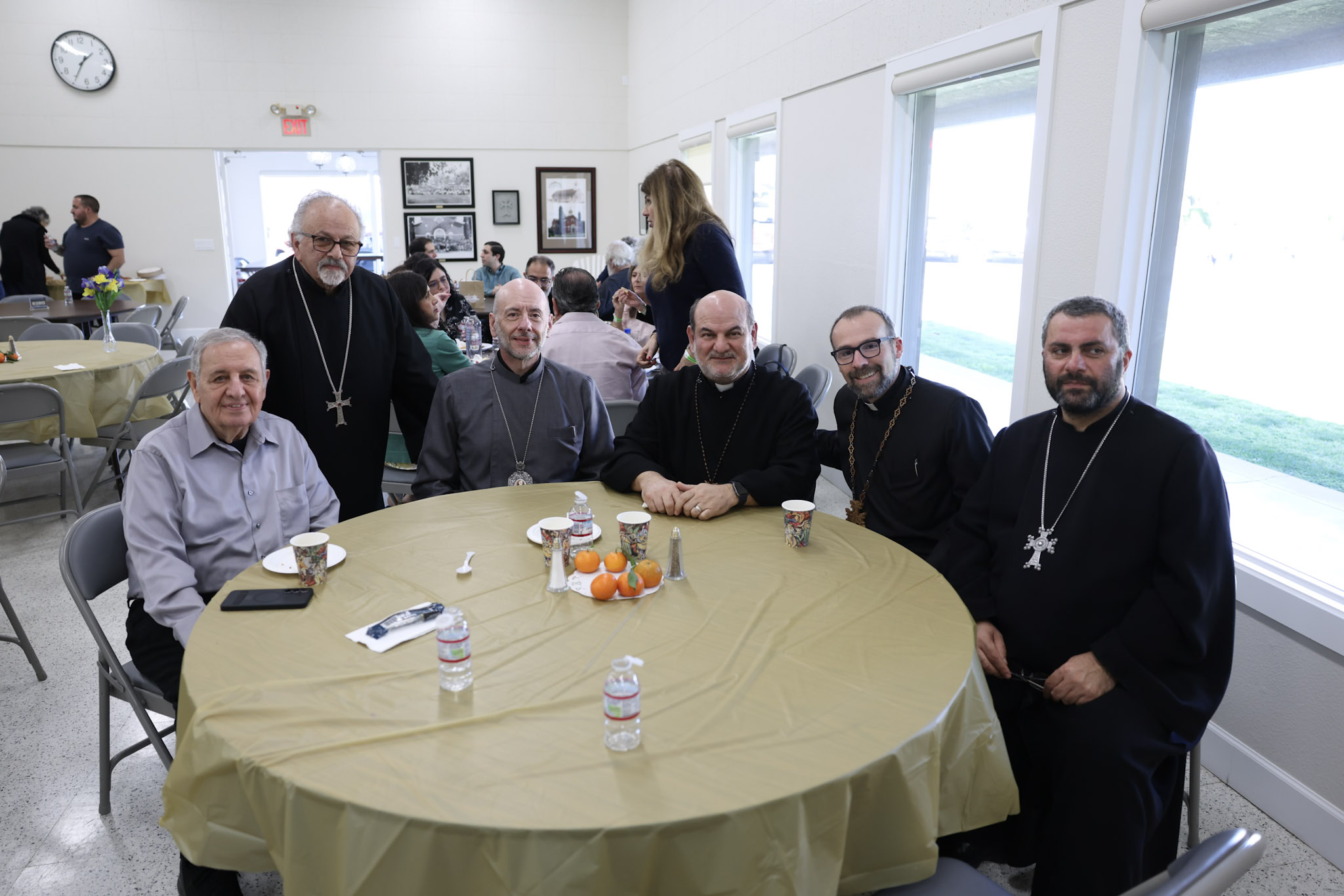
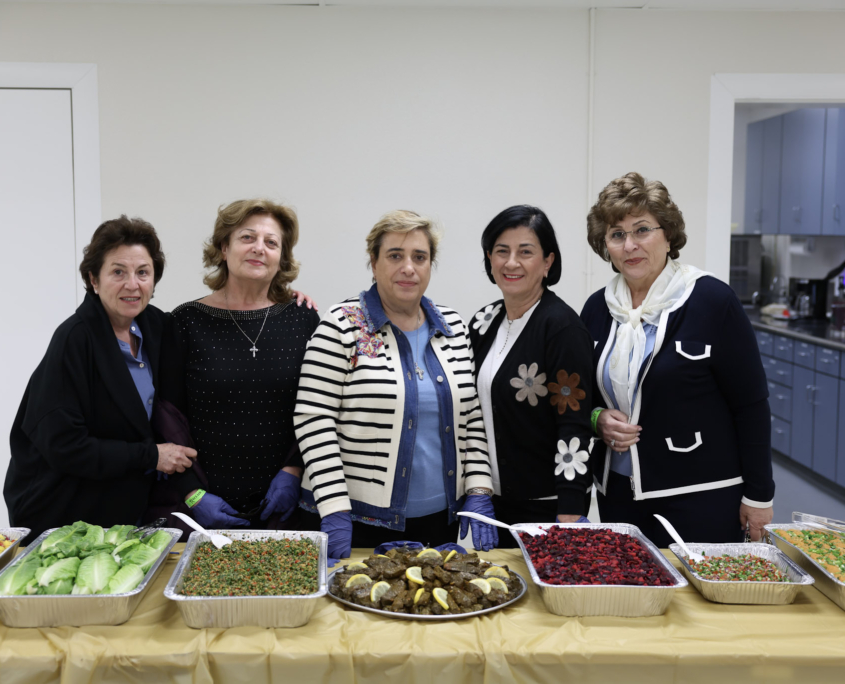
In Reclaim tradition, the Agape meal gave everyone an opportunity to share their thoughts and joys with one another along with the unique “handwashing” service. On this occasion Chuck Simonian, who designed and built the Yettem Cross which stands as a gateway to the church, presented miniature versions of the cross to Abp. Hovnan, Bp. Daniel and Fr. Vazken as a reminder of this very special place in the heart and soul of the Armenian community.

The conference came to an end with the celebration of the Divine Liturgy. His Grace, Bishop Daniel Findikyan offered the homily at the invitation of His Eminence Archbishop Hovnan Derderian.

Appreciation is extended to all the presenters, attendees, the St. Mary parish priest, parish council and ladies society and to the Circle of Faith and Circle of Love Bible Study group for their help and support.

The conference sessions were recorded and will be made available soon at https://epostle.net/reclaim2026.

RECLAIM 2026 is now History!

Videos from Reclaim will be available shortly


10th Annual Reclaim Conference: “Reclaim Monasticism”

March 6,7,8, 2026

Under the auspices of

Archbishop Hovnan Derderian, Primate

at the St. Mary Armenian Church, Yettem California

Bishop Daniel Findikyan, Keynote Speaker

Fr. Vazken Movsesian, Fr. Avedis Abovian
Fr. Mesrop Ash, Dr. Hratch Tchilingirian
Special Yettem Presentation by David Menendian

Father and Example

Armodoxy for Today: Father and Example

We continue our dive into the parable of the Prodigal Son (Luke chapter 15) by focusing on the father in the story.

The first thing we learn about him is that he gives completely, without restriction or condition. His younger son says, “Give me my inheritance so I can go out and establish and begin my life.” The father, being a wise man, certainly understands that the son may lose or squander the money, but does not argue with his child. There are times in our lives when we need to let go. Even though we may know better than our children, their life is theirs. Yes, making mistakes can be painful, but it is in those mistakes that children learn. This father understand this rule: he lets go of his son. As difficult as it is, he allows his son – the one that he loves – to leave. He allows his son to establish his own life.

The second time we see the father is when the son returns. Remember the son is remorseful, or at the very least he understands that he can have a better life by returning to his father’s house. No matter what the son’s intentions may be, the father seeing the son return goes out to meet him on the road and does not even allow his son to ask forgiveness. He does not play a game of pride. He does not foolishly say, “Let me wait and see what he has to say.” He is there to accept his son. He does not say, “I told you so. I knew you would be back.”  Instead he recognizes his loved one – the son that he cared for, gave birth to and nurtured – had now returned! How excited he must have been. Of course he came running up to his son and embraced him.

Now there are two dimensions to this. Let’s follow each of them. First, the father in the parable is an expression of our Heavenly Father. God in heaven waits for us to come home and when we do turn back, He does not wait for us to beg to return to His Kingdom. Suffice it that we turn back home that He approaches us, embracing and grabbing us, He takes us in, giving us Life! That’s what this father did and that’s what our Heavenly Father does.

God accepts us as true children of His Kingdom.

Second, the father’s actions tell us what is required of us in our relationships, not necessarily with children, but with one another. There are people who have hurt us. The degrees of hurt are not consequential. Perhaps we have cried over a misspoken word, or we have been devastated by betrayal. The hurt has left a chasm in our relationships with others. We have all created divisions between ourselves and God by virtue of our actions or inaction,  yet God has given us a way back. We too must do the same and leave doors open for those people to return back to us. In other words, an end to grudges is in order. Don’t get caught up in foolish pride. Leave doors open without expecting someone to walk through. Don’t wait for those who have hurt you to return, just know that deep down there are many desires that may not be understood. If the door is open, they may return and when they do you will embrace them.

Know that the heart is speaking to you. Do not think with your mind. Be ready to take in.Be ready to embrace, to hug, to suffocate them with the love that is in your heart.This is the example that Jesus gives us through the character of the father.

We now pray there prayer of St. Nerses Shnorhali, from the “I Confess with Faith”:

I confess with faith and adore you, Father, Son and Holy Spirit, uncreated and immortal essence, creator of angels, of humans and all that exists. Have mercy upon your creatures and upon me, a great sinner. (1/24)

Awake to the Turning Point

Armodoxy for Today: The Turning Point

The Prodigal Son, is a parable offered to us by Jesus and recorded in the Gospel of St. Luke, chapter 15. We continue this dive into the story today by looking at the sin of the Prodigal son.

Today we look at turning points. As the parable is presented, the younger son takes his inheritance and travels to a far off land. There he squanders his money in reckless living. When his money runs out, so do his friends, and the lifestyle he was living. He comes to his senses and decides to return home. We will call this the turning point. It’s the point at which he realized there is something better for him elsewhere. Some may call this the “wake up” moment, when all along you knew what you were doing was not reality – maybe even a dream – and then the alarm clock rings and you wake to real life. The Prodigal Son woke up and turned back home.

Like the Prodigal, we come to our turning points when we realize that staying on the current path might have dire consequences. Repentance is the call of the Church to turn back. John the Baptist called out in the wilderness, “Repent, the Kingdom of God is at hand.” Today, the word repent means to feel remorse or regret. These feelings are the wake-up moment, while repent literally means to turn around.

Look within. Do you have wake up alarms? Do they guide you toward repentance?

We prayer from St. Nersess Shnorhali’s 3rd hour, Heavenly Father, true God, who sent Your beloved Son to seek the wandering sheep. I have sinned against heaven and before you. Receive me like Prodigal Son and clothe me with the garment of innocence, of which I was deprived by with sin. Have mercy upon your creatures and upon me a sinner. Amen 

Sin in Motivation

Armodoxy for Today: Finding the Sin in Motivation

The Prodigal Son, a parable offered to us by Jesus and recorded in the Gospel of St. Luke, chapter 15. We continue this dive into the story today by looking at the sin of the Prodigal son.

The prodigal lifestyle that the younger son adopted is usually thought of as his sin, if not, but only by the popular name of the parable. The word prodigal is characterized by profuse or wasteful spending. The word describes someone who is addicted to wasteful expenditure, as of money, time, energy or strength. I propose that these are only manifestations of the true sin, which can be found in a list compiled by the Church, name Pride, Envy, Anger, Gluttony, Lust, Covetousness, and Laziness. Start off with the youthful pride that made him demand his share of inheritance, a pride which deceived him into thinking that he knew better than his father. And as you go through this list, which the Church identifies as “deadly sins” transfer the same measure on your life. Look at the motivations that make you do the things you do.

The Prodigal son was wasteful with the inheritance his father gave him. Think of the talents, the graces, the gifts given to us by God. How do we use them? How do we abuse them? Or perhaps, not even use them? Are we squandering the gifts of God on reckless living?

We pray, from the Armenian Church’s form of Confession, I have also sinned by the seven-fold transgressions of the deadly sins: by pride and all its forms, envy and all its forms, anger and all its forms, sloth and all its forms, covetousness and all its forms, gluttony and all its forms, and lust and all its forms; I have sinned against God. Lord have mercy.

Prodigal’s Sin

Armodoxy for Today: Prodigal Son
Every Sunday during the Lenten Season has a unique name. Today is known as the Sunday of the Prodigal Son. Accordingly, the lesson of the day comes from the Gospel of St. Luke, Chapter 15, where Jesus teaches using a parable, commonly known as the story of the Prodigal Son.
Perhaps if nothing else reached us from the time of Jesus except for this one parable, it would be enough to explain our relationship with God. It is a story of reconciliation, and expresses the unconditional love that God has for us and therefore, requires of us.
The story of the Prodigal Son unfolds like this: A man has two sons. The younger son asks for and receives his inheritance. He takes his share of his father’s estate and squanders it on reckless living. While he has funds, he is popular with many friends. But when his money ran out, so did his friends. No money, no parties, no extravagant lifestyle, no friends, he goes out to look for work. But it is of no use. He can’t make enough to survive.
One night, when he is really down, he sees some pigs feeding and he actually considers eating the pigs’ food because he is so hungry. It is at that point that he comes to his senses. He remembers his father’s home and remembers that that his father’s servants live better than he. That night, he makes a decision to go back home –to his father – to beg for forgiveness. He even strategizes that he will ask to be taken-in as one of his father’s servants.  
Now, while the son is returning home his father sees him on this road. His father comes running toward him, grabs him, hugs him and kisses him. He doesn’t even give his son a chance to talk nor to explain his deeds while away from home. The father then orders his servants to come around and bring him the best clothes and put the ring of authority on his hand. Then he orders a celebration! The fatted calf is slaughtered for this party.
The story of the Prodigal Son doesn’t end here. Remember he had an older brother. Now this older brother was working in the field and heard the sound of merriment and dancing. He didn’t understand and protested to his father. He said, “Look! All these years I’ve been slaving for you and never disobeyed your orders. Yet you never gave me even a young goat so I could celebrate with my friends. But when this son of yours who has squandered your property with prostitutes comes home, you kill the fattened calf for him!” He just could not understand the unfairness of life. He (the older brother) had done everything right and the younger brother had wasted his inheritance. “Where is the justice?” he demanded. Why is the bad guy getting rewarded while the good guy continues to labor and struggle?
The father, with compassion and understanding, explains to the older brother, “You are always with me, and everything I have is yours.  But we had to celebrate and be glad, because this brother of yours was dead and is alive again; he was lost and is found.”
This is the story of the Prodigal Son. Read it in Luke 15. We will look at the many dimensions of the story in the next few days. Today, I leave you with homework: What was the sin of the Prodigal son? That he lived with prostitutes? That he was consumed by materialism? Think of it and we’ll continue tomorrow.
I leave you with this prayer by St. Nersess Shnorhali, Heavenly Father, true God, who sent Your beloved Son to seek the wandering sheep. I have sinned against heaven and before you. Receive me like Prodigal Son and clothe me with the garment of innocence, of which I was deprived by with sin. Have mercy upon your creatures and upon me a great sinner. Amen (3/24)

Seven Humans to One Divine

Armodoxy for Today: Seven humans to One Divine

This week, in examining the concept of Expulsion, we found that what separates us from God is our sin. Like the curtain that is draped across the Holy Altar in our Armenian churches, which prevents us from witnessing the celebration of the Holy and epic Divine Liturgy, our sin prevents us from witnessing the grandeur and glory of God in the fullest.

We learned that sin means missing the mark of perfection and in that sense, we are all sinful because we are imperfect. Jesus makes sure that we understand that perfection as a goal, means going beyond the human expectations. In the Sermon on the Mount, Jesus contrasts the human with the Divine, saying “You have heard…” for instance “do not murder” “But I tell you…” anger / hatred toward another is the same as murder. Or having lustful thoughts about another’s wife is committing adultery. And the higher standard of loving your enemies and praying for those who persecute you. (Matthew 5)

Herein, we begin to understand why the Church singled out seven expressions as the “deadly sins.” Namely, pride, envy, gluttony, lust, covetousness, anger and laziness. These are the feelings, the expressions, that prevent us from attaining perfection. They are expressions that are under our own control. These are the human expressions that must be managed and overcome in aiming for the Divine.

We pray from the nineth hour of St. Nersess Shnorhali’s “I confess with Faith,”  All provident Lord, place Your holy fear as a guard before my eyes so they may not look lustfully; before my ears so that they may not delight in hearing evil words; before my mouth so that it may not speak any falsehoods; before my heart so that it may not think evil; before my hands so that they may not do injustice; before my feet, that they may not walk in the paths of injustice; but so direct them, that they may always be according to all Your commandments. Have mercy upon Your Creatures and upon me, a great sinner. Amen.

Welcome to Sin during Lent

Armodoxy for Today: Welcome to Sin

One of the most misunderstood concepts or themes in Christianity is sin. Our understanding, or misunderstanding, of sin stems from models that have been set up for us and have conditioned us since childhood. We associate sin with the bad or evil in our life because evil is punished, or at the very least, it produces unfavorable consequences. Even more, in religion, particularly in the traditional Judeo-Christian system of thought, the punishment for evil is augmented by concepts of condemnation and damnation. These models creep into our adult life and skew our perception of life. They distort our view of what life is what life can be.

The truth is, all our actions – not just evil, but everything we do – has consequences.  Actions are made up of emotional thoughts and they are acted out by physical means. Newton’s laws of motion tell us that to every action there is an opposite and equal reaction. This applies to the physical world as well as the spiritual world.

So let’s begin by saying that all evil is sin, but not all sin is evil.

Sin means missing the mark. Imagine a large target and in this target is the center circle. That large black circle is called the bullseye. Now imagine a bow and arrow in your hands. You pull back on the bow and let the arrow go. The arrow travels through space, through time and eventually it hits its destination. You have aimed for the bullseye, you have aimed for perfection, but somehow it didn’t make it. You missed the mark. You may hit quite a ways off of the mark, you might have hit close by. In fact, you may have not hit the target at all! No matter what the case –close or far from the bullseye – you missed the mark! You sinned. Close or far from the targeted area, it’s a sin. Sin is sin. You aimed for perfection but came short of it. You missed the mark.

Each of us strives for perfection. We all want to hit that mark, we want the best for ourselves, for our families, for our children; but we journey through space and time, much like the arrow and are influenced by many factors including the wind, freak occurrences, lack of focus or unnoticed obstacles, and we do not hit the mark.

As we conclude our second week of Lent, understanding sin in these terms helps us in our journey, especially as we meet the characters of the next few weeks, namely the Prodigal Son, the Dishonest Steward and the Unrighteous Judge.

Your act of charity today is to forgive those who have created a hierarchy of sin. Forgive yourself. Fast today, from judging others.

Let us pray, Father in Heaven, who makes your sun shine on the good and the bad, on the just and the unjust, let the rays of the sun touch and burn away the judgement that runs through me, to understand myself as a sinner too. Help me through this Lenten journey. Amen.


Eclipsing God during Lent

Armodoxy for Today: Unexpectedly Eclipsing God

Astronomical events have caught my attention since early childhood, especially the kind that you can see from the comfort of your home. So, I stayed up and with that childhood wonder watched in awe as the Moon slipped out of the Sun’s light into the Earth’s shadow and then slipped back out. I don’t know what is more amazing to me, the fact that these huge astronomical bodies dance with grace in the sky, or the fact that their motion is so delicately aligned with the universal laws of motion that this event was predicted to the minute several hundreds of years ago.

This week, we have been inspired by the Gospel passage which was read on Expulsion Sunday. In it, Jesus says, “If you bring your gift to the altar, and there remember that your brother has something against you, leave your gift there before the altar, and go your way. First be reconciled to your brother and then come and offer your gift.” (Matthew 5)

Did you catch the eclipse? Jesus, in these words, is saying there is something more important than God! God is eclipsed by our need to reconcile with one another. You’ve gone to church to worship God, to offer your sacrifice to God, but there is something more important, being reconciled with your brother. He says, drop your offering at the church – turn away from God – until you first reconcile with your brother. To be at peace and in harmony with one another eclipses any pious gesture of worship or adoration of God.

The Christian message is about people. It’s about harmony and that peaceful existence comes about when we become part of the solution. It’s not about looking up to heaven but reaching out to one another here on Earth. If there is going to be harmony in our lives, if there is going to be peace in this world, it’s not because I am offering a prayer upwards, rather it is because I am offering a prayer sideways. I am reaching out to my brothers and my sisters as a vehicle of love. True peace, true harmony, true existence is about us loving with one another.

This comes to us today as a reminder that our Lenten journey is about using these 40 days to make the 325 days that follow it – that is life – more meaningful and in harmony with others.

Practice charity today by providing a light to someone who is bitter with life. Push them out of the shadow and into the light. Fast today from superficial piety and understand that Christianity is about peace on Earth through the goodwill among people.

Let us pray the prayer of St. Nersess Shnorhali (23), “All merciful Lord, have mercy upon all your faithful, on those who are mine and those who are strangers to me, on those whom I know and those whom I do not know, on the living and on the dead, and forgive all my enemies, and those who hate me, the trespasses that they have committed against me, turn them from the malice which they bear towards me, that they may be worthy of Your mercy. Amen.”